


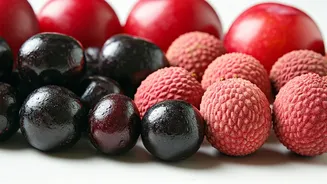

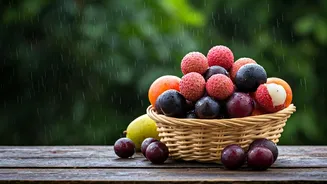


Jamun (Indian Blackberry)
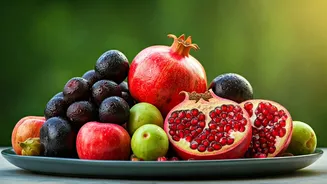
This deep purple, sweet-and-tart berry is a quintessential monsoon fruit. Jamun is celebrated not just for its unique flavour but also for its extensive health benefits. It is rich in iron, vitamin C, and antioxidants, making it a powerhouse for boosting
your immune system. Traditionally used in Ayurvedic medicine, Jamun is known to aid in managing blood sugar levels, making it a good choice for diabetics. Its astringent properties can help improve digestion and combat common monsoon stomach issues. The fruit also contributes to healthy skin and can help improve blood haemoglobin levels.
Pears (Nashpati)
Crisp, juicy, and refreshingly sweet, the pear, or Nashpati, is a monsoon staple that helps you stay hydrated. Pears are an excellent source of dietary fibre, which is crucial for maintaining a healthy digestive system and preventing constipation, a common concern during the rainy season. Packed with vitamin C and antioxidants, they strengthen the body's natural defenses against infections. The high potassium content in pears supports heart health by helping to regulate blood pressure. Being a low-calorie fruit, it's also a great, guilt-free snack for weight management.
Plums (Aloo Bukhara)
These small, smooth-skinned fruits offer a delightful sweet-and-sour taste. Plums are low in calories but rich in essential nutrients, including vitamins and minerals. They are particularly noted for their high antioxidant content, which helps protect the body from cellular damage. The presence of vitamin C helps strengthen the immune system against common colds and flu. Plums are also an excellent source of dietary fibre, promoting good digestion and helping you feel full, which can aid in weight management. Their high water content also contributes to staying hydrated during humid weather.
Peaches (Aadu)
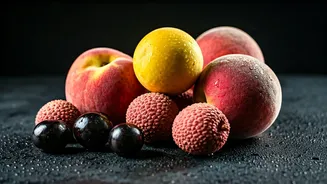
Known for their fuzzy skin and juicy, sweet flesh, peaches are another wonderful monsoon fruit. They are packed with vitamins A and C, which are vital for maintaining healthy skin, boosting immunity, and supporting good vision. The dietary fibre in peaches aids digestion and helps prevent constipation. Additionally, peaches contain antioxidants that help fortify the body against oxidative stress and reduce the risk of chronic diseases, which is especially important when the body is more vulnerable to infections during the monsoon.
Litchi
Though it arrives at the tail end of summer, the litchi season often extends into the first few weeks of the monsoon, making it a cherished treat. This translucent, juicy fruit has a sweet, floral taste and is a fantastic source of vitamin C, which is crucial for a strong immune system. Litchis are also rich in antioxidants like polyphenols, which help fight inflammation and protect the body from infections. Furthermore, they are a good source of potassium for heart health and contain fibre that aids in digestion.
Cherries
These small, glossy red fruits are not just for desserts; they are a nutritional powerhouse perfect for the rainy season. Cherries are loaded with antioxidants and have anti-inflammatory properties, which can help the body fight off infections and reduce inflammation. They are a good source of vitamins C and A, contributing to a stronger immune system and healthy skin. Cherries also contain melatonin, which can aid in improving sleep quality, helping you stay well-rested and healthy during the gloomy monsoon days.