

The Plant Protein Puzzle
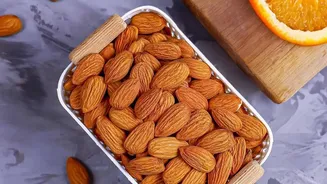
When we talk about protein, what we’re really talking about are amino acids, the building blocks our bodies use for everything from muscle repair to hormone production. While animal proteins contain all nine essential amino acids in one package, most
plant proteins are “incomplete,” meaning they are low in one or more. Furthermore, the protein in plants can be less bioavailable, meaning our body has a harder time absorbing and using it. This is partly due to compounds like phytates, found in grains and legumes, which can bind to minerals and reduce their absorption. This doesn’t make plant protein inferior; it just means a little strategy can go a long way in maximising its benefits.
Vitamin C's Crucial Role
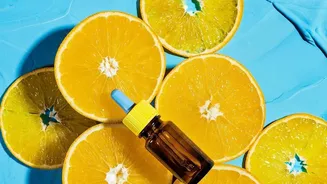
This is where vitamin C comes in. While many people associate it with immunity, its role in nutrient absorption is just as critical. Vitamin C is a vital cofactor for enzymes involved in synthesising collagen, a crucial structural protein for skin, bones, and connective tissue. More directly for plant-based eaters, it dramatically enhances the body's ability to absorb non-heme iron—the type of iron found in plants. Iron is essential for carrying oxygen in our blood and for energy metabolism, and many of the best plant protein sources, like lentils and spinach, are also rich in it. By improving iron uptake, vitamin C helps boost the overall nutritional power of a plant-based meal.
The Iron-Protein Connection Explained
The link between vitamin C and iron is one of the most well-established synergies in nutrition. Non-heme iron from plants is in a form (ferric, Fe³⁺) that our bodies struggle to absorb. Vitamin C acts as a reducing agent, converting this iron into a more soluble and absorbable form (ferrous, Fe²⁺). This process is incredibly efficient; some studies show that adding vitamin C can increase iron absorption by a significant margin. Because iron deficiency can lead to fatigue and weakness, ensuring you absorb enough is key to feeling energetic on a plant-based diet. By pairing these nutrients, you’re not just eating—you’re creating a more effective nutritional package right on your plate.
Power Pairings for the Indian Kitchen
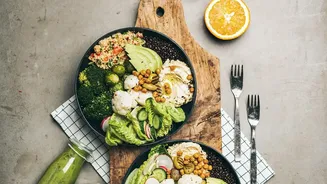
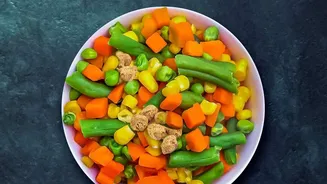
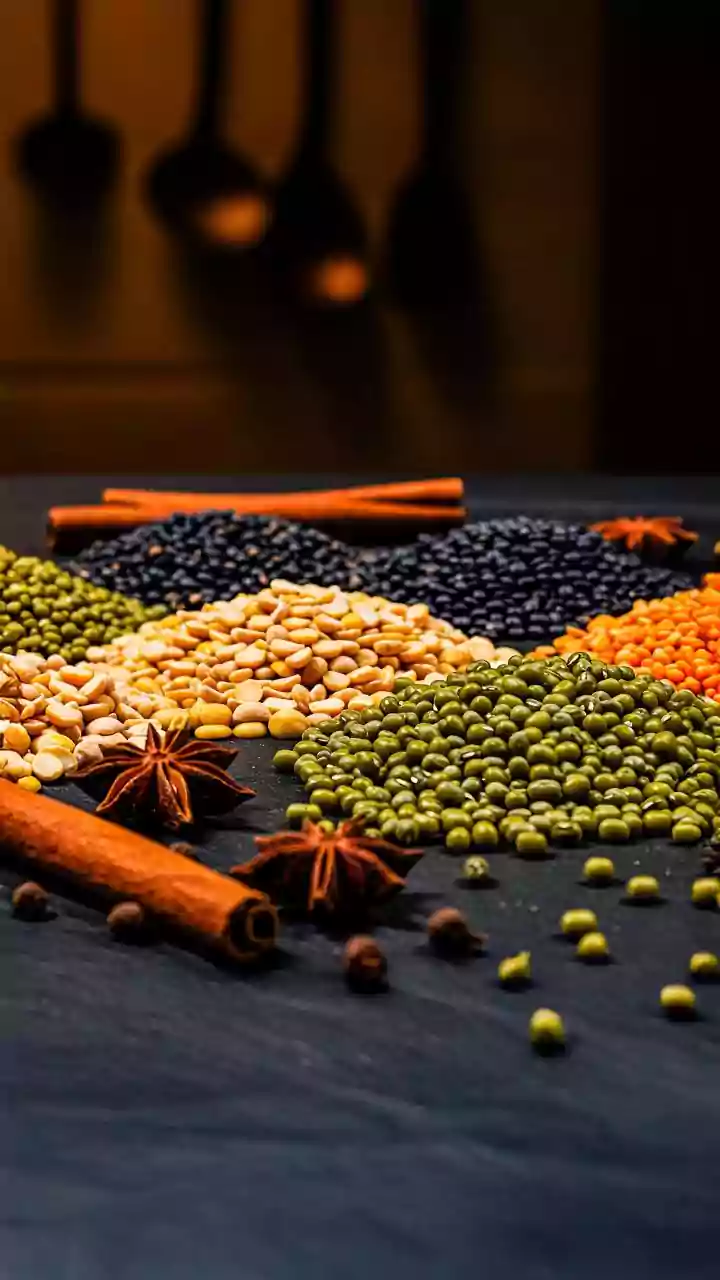
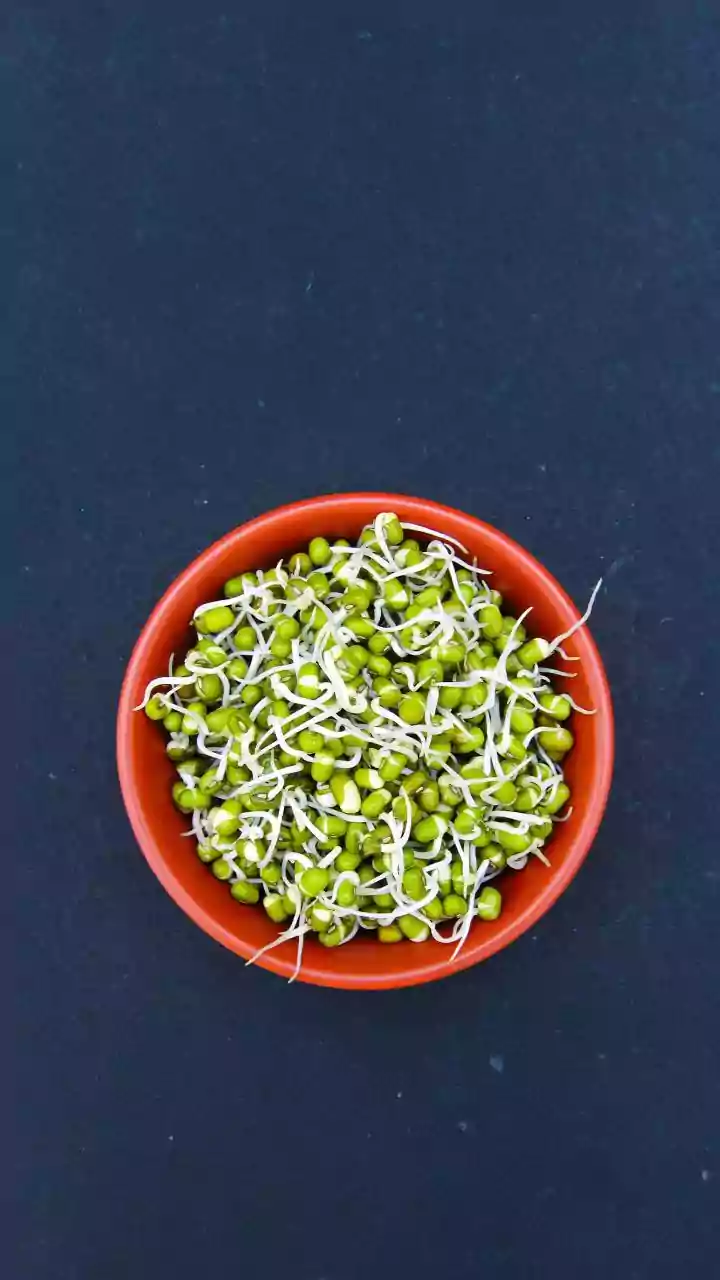
Making this work in your daily diet is simple and delicious, especially with the diversity of Indian cuisine. The tradition of squeezing lemon over dal is a perfect example of this nutritional wisdom in action. Here are a few easy-to-implement pairings: Dal and Lemon: A generous squeeze of lemon or lime juice over a bowl of masoor, toor, or moong dal enhances the iron absorption from the lentils. Chickpea Salad with Bell Peppers: Combine boiled chickpeas with finely chopped red and yellow capsicum (bell peppers). Capsicum is an exceptionally rich source of vitamin C. Spinach with Tomatoes: Whether in a sabzi or a curry, cooking palak (spinach) with tomatoes helps unlock the iron in the leafy greens. Bean Curry with Amla: Adding a small piece of amla (Indian gooseberry) or a dash of amla powder to a rajma or lobia curry can provide a massive vitamin C boost. Amla is one of the most potent sources available. * Roti with Green Chutney: A fresh chutney made with coriander and green chillies—both good sources of vitamin C—is a fantastic accompaniment to any meal.
Think Beyond Citrus
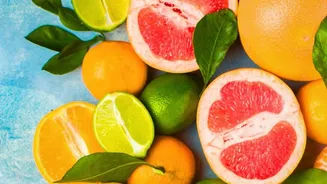
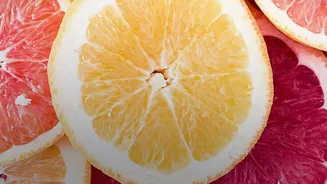
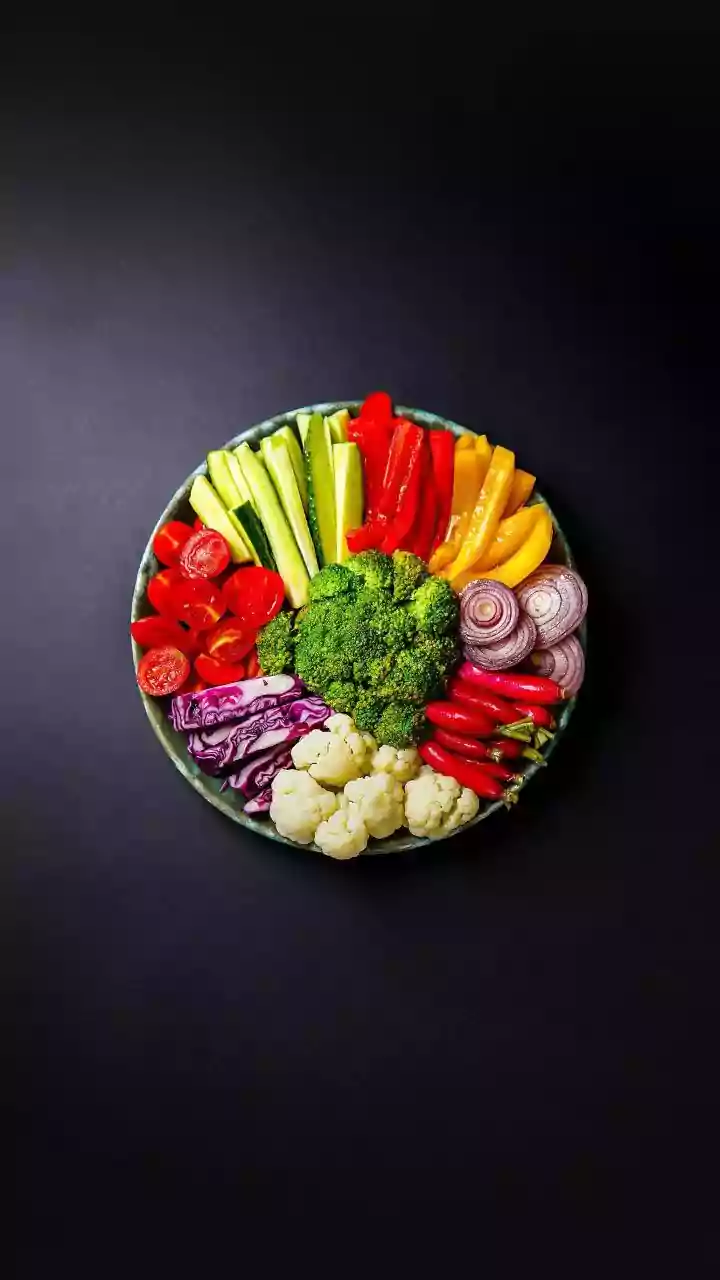
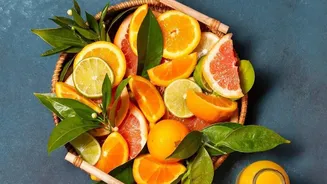
While lemons and oranges are excellent vitamin C sources, many other local and seasonal ingredients are even more potent. Guava (amrud) contains significantly more vitamin C than an orange and can be eaten as a snack alongside a meal. Papaya is another powerhouse, packed with vitamin C and digestive enzymes. Even common vegetables like cauliflower and tomatoes contribute meaningfully to your daily intake. The key is to think fresh and colourful. The more vibrant your plate, the more likely you are to be getting a wide range of vitamins and antioxidants that work together to support your health.