



From Forest Floors to Future Batteries
The secret ingredient in this new wave of battery technology is lignin, a natural polymer that gives wood its rigidity. As the second-most abundant natural polymer on Earth, enormous quantities of lignin are generated as waste by the paper and pulp industries,
where it is often simply burned for energy. Researchers are now diverting this waste stream, transforming it from an industrial byproduct into a key component for the next generation of batteries. By processing lignin into a specialized form of carbon called hard carbon, scientists are creating a powerful and sustainable alternative to the graphite traditionally used in battery anodes. This innovation isn't just a lab curiosity; major companies and research institutes, like Germany's Fraunhofer IKTS, are actively developing prototypes, signaling a major shift toward a circular economy where industrial waste becomes a valuable resource.
How a Plant-Based Battery Works
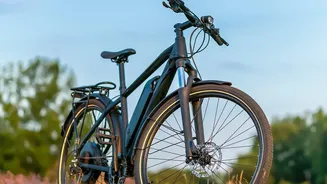
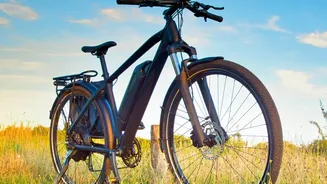
At its core, this technology often involves creating sodium-ion batteries, which differ from the lithium-ion standard. In these new batteries, the anode—the part that stores ions during charging—is made from the hard carbon derived from lignin. This plant-based carbon structure is uniquely suited for storing sodium ions, which are larger and behave differently than lithium ions. When the battery charges, sodium ions move from the cathode to the lignin-based anode. When it's in use, they travel back, releasing energy to power the e-bike. The appeal of sodium-ion technology lies in sodium's abundance and low cost compared to lithium. By pairing the lignin anode with cathodes made from common, non-toxic materials like iron-based compounds, researchers are creating a battery that avoids the need for scarce and ethically problematic metals like cobalt and nickel.
A Built-In Safety Advantage
A primary driver for this innovation is enhancing safety. Conventional lithium-ion batteries contain a flammable liquid electrolyte, which can lead to a dangerous chain reaction known as thermal runaway if the battery is damaged, overcharged, or faulty. This is the cause behind many e-bike fires. Sodium-ion batteries, especially those being developed with plant-based components, are inherently safer. They often use more stable materials and can be designed without the volatile liquid electrolytes that pose a fire risk. The solid, stable nature of the lignin-derived carbon anode contributes to this improved safety profile. Furthermore, research into solid-state batteries, which replace liquid electrolytes entirely, points toward an even safer future, and some of these designs incorporate bio-based materials.
More Than Just Safe: The Green Credentials
The environmental benefits extend far beyond just using a waste product. Manufacturing traditional graphite anodes is an energy-intensive process that relies on non-renewable fossil fuels. Lignin-based carbon offers a sustainable alternative that significantly lowers the carbon footprint of battery production. It also sidesteps the environmental and social costs associated with mining critical minerals like lithium and cobalt, which often involves massive water consumption and questionable labor practices. This approach also promises better recyclability. While recycling lithium-ion batteries is complex and hazardous, batteries built from more common, less toxic materials like sodium, iron, and carbon are simpler and safer to break down at their end of life.
Challenges on the Road to Commercialization
Despite the promise, you won't find a lignin-powered e-bike in stores just yet. A major hurdle is energy density. Currently, sodium-ion batteries typically store less energy in the same amount of space compared to their lithium-ion counterparts. This means a heavier battery or a shorter range for the e-bike. However, performance is steadily improving. Lab prototypes have shown excellent stability, with some cells enduring hundreds of charge-discharge cycles with minimal degradation. Researchers are confident that these batteries will soon be viable for applications where extreme lightweighting isn't the top priority, such as daily urban commuting and delivery vehicles. The next steps involve scaling up production from lab cells to commercial-grade battery packs and proving their reliability in real-world conditions.