







A Tale of Two Monsoons
The 2026 monsoon has been described as the most spatially distorted in a decade. While the season is expected to end with a national deficit of around 15%, this single number masks a complex reality on the ground. Several key agricultural states are facing
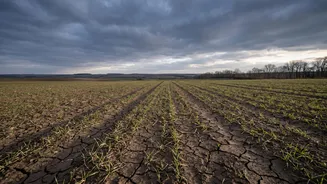
severe shortfalls, with deficits as high as 59% in Meghalaya, 43% in Andhra Pradesh, 40% in Punjab, and 35% in Bihar. This patchwork of drought-like conditions in some areas and adequate rain in others has created widespread uncertainty. The overall rainfall deficit is the worst since the El Niño year of 2009. This unevenness is harder for the farm economy to navigate than a simple, uniform shortfall, as it affects different regions and crops in vastly different ways.
The Knock-On Effect for Winter Crops
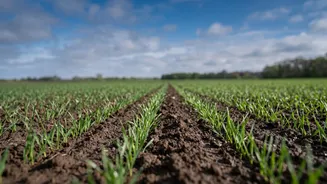
The performance of the monsoon directly influences the success of the rabi, or winter, crop season, which accounts for roughly half of India's food grain production. Successful rabi sowing, which begins in October, depends heavily on two factors left behind by the monsoon: soil moisture and reservoir levels. Currently, both are a cause for concern. Soil moisture is below the decadal average in crucial rabi states like Karnataka, Maharashtra, Andhra Pradesh, Rajasthan, and Madhya Pradesh. At the same time, the water storage in India's major reservoirs is below normal levels. While reservoirs in the western and central regions have recovered to above-normal levels, storage in the southern and northern regions remains sharply deficient, which is critical for irrigation during the dry winter months.
Pulses, Oilseeds, and Rice Under Pressure
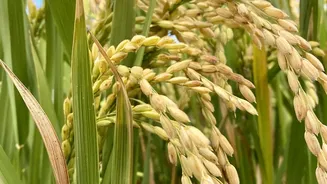
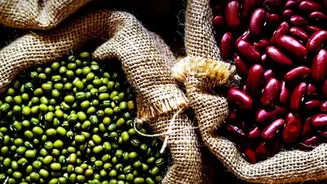
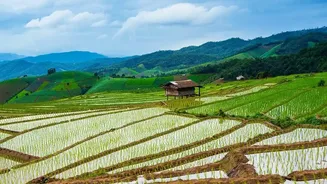
The looming water scarcity is expected to hit specific crops hard. The sowing and yield of pulses (like chana and tur), oilseeds (like soybean and groundnut), and rice are particularly vulnerable. Prices for key pulses and oilseeds have already started to rise in anticipation of lower output. The kharif (summer) sowing of rice was already lagging, and experts now predict that the area under winter-sown rice will also decline due to lower reservoir levels. This has led to forecasts of the most significant drop in rice production in nearly two decades, with local prices already climbing in response. With India relying on imports for over half of its edible oil needs, any domestic production shortfall adds another layer of price pressure.
What This Means for Your Wallet
Ultimately, the consequences of this erratic monsoon will likely be felt at the checkout counter. Food inflation, which stood at 5.95% in August, is projected by some economists to harden further, potentially crossing 7% by October. While the government has buffers like grain stocks and can use policy tools like imports to manage shortages, the underlying pressure on food prices is undeniable. The cost of vegetables, dal, and edible oils are often the first to reflect these agricultural stresses. The government is already taking steps, such as allowing duty-free sugar imports and selling subsidized onions, to cool rising costs. However, the combination of a weak harvest and higher cultivation costs from geopolitical factors is creating a double squeeze on India's food economy.