
A New Definition of Luxury
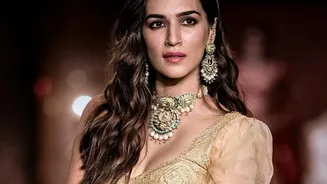
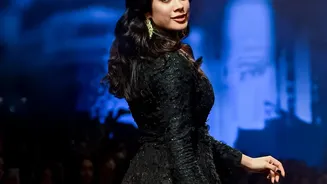
For years, Indian couture has been synonymous with weight. The richness of a garment was often measured by the sheer density of its hand-embroidery. But at the 2026 edition of India Couture Week, designers collectively posed a question: What if luxury
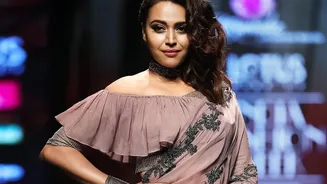
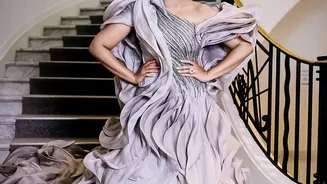
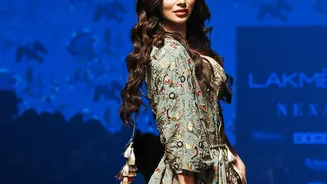
is lightness? What if innovation lies not just in the intricacy of a stitch, but in the very material it adorns? This season was less about piling on and more about peeling back, focusing on structure, textile innovation, and a sense of ease that felt refreshingly modern. It signalled a broader evolution in the Indian luxury market, where global aesthetics are being reinterpreted through a uniquely Indian lens of craftsmanship.
Material as the Main Event
Leading this charge was Rimzim Dadu, whose collection 'INLAE' was a masterclass in material alchemy. Inspired by the precision of Mughal inlay work, Dadu didn't just use mother-of-pearl as an accent; she reimagined it as a textile. Through months of research, her atelier developed methods to embed individually cut pieces of the iridescent material into her signature steel wire textiles, creating surfaces that were both sculptural and fluid. The challenge, she noted, was making a hard, precious material feel effortless on the body. The result was a dialogue between the strength of steel and the delicacy of mother-of-pearl, pushing both materials into a new expressive realm.
Heritage Gets a High-Tech Update
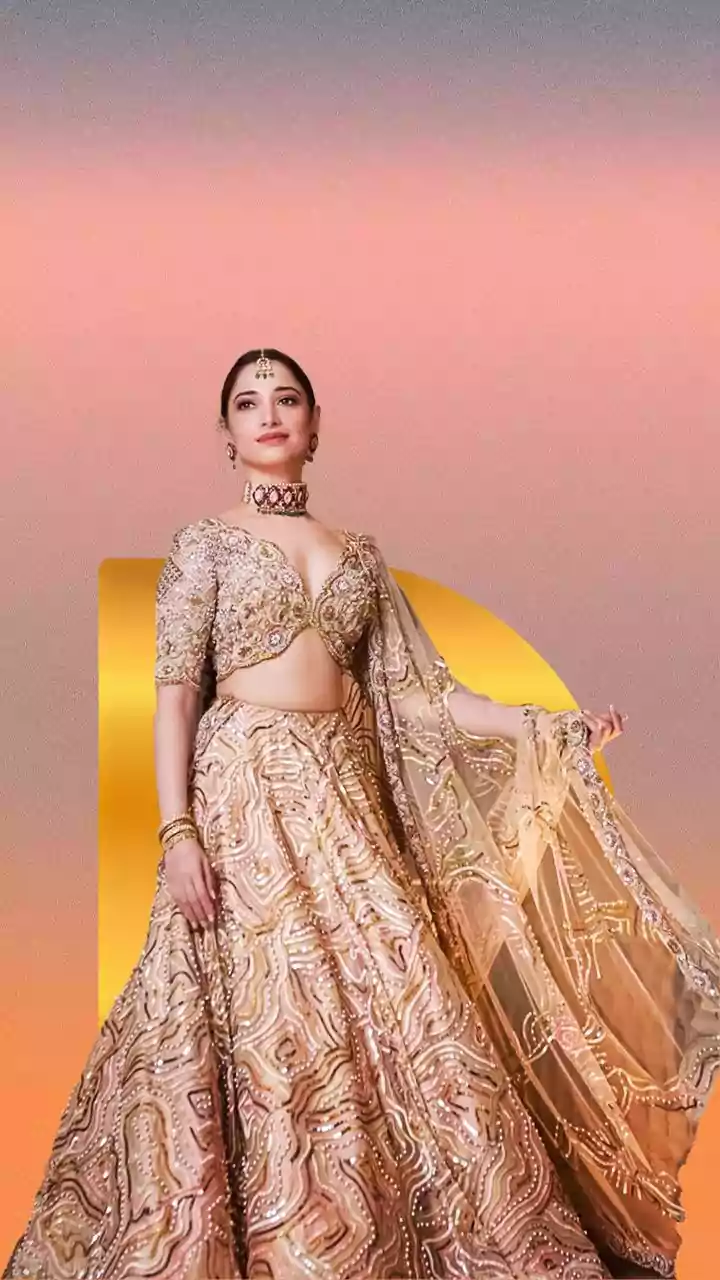
Even traditionalists embraced this new chapter. Tarun Tahiliani, a pioneer of the "India Modern" aesthetic, has long argued that couture should be a pleasure to inhabit, not an endurance test. For his 'Navaratan' collection, he eschewed a conventional runway for an immersive exhibition, allowing a closer look at his technical wizardry. The collection featured fluid drapes and impossibly light lehengas, blending European corsetry and tailoring with Indian aesthetics. His focus on making clothes lighter and more wearable is a philosophy that has defined his career, and this season it felt more relevant than ever.
Sculpture, Form, and Fantasy
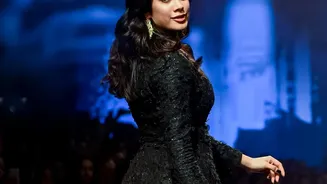
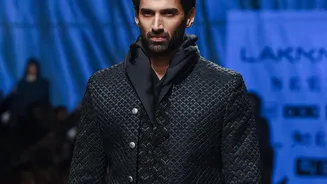
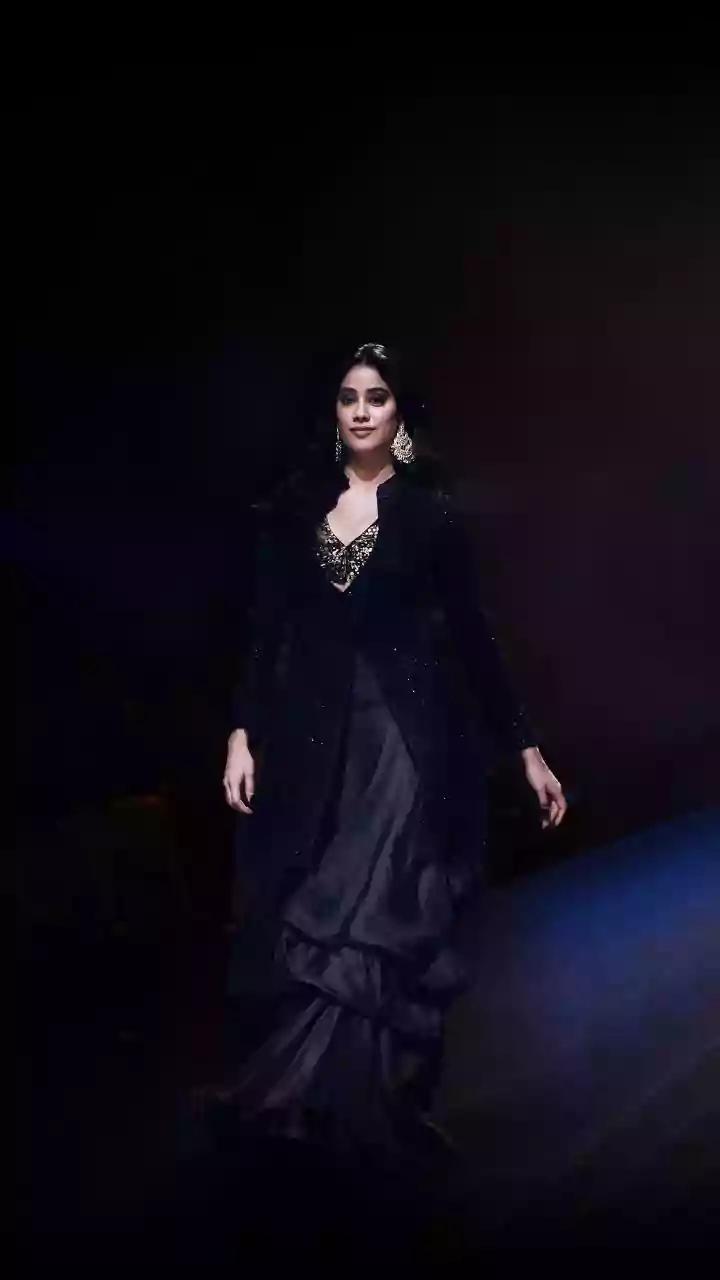
Elsewhere, the focus on form was palpable. Anamika Khanna opened the week with Victorian-inspired skirts and sharply tailored jackets that blurred gender lines, proving couture can be ceremonial without being costume. Falguni Shane Peacock, known for their maximalist glamour, layered their signature drama with faux fur and parachute-like capes, but also offered embellished wide-legged jeans, a nod to couture's ability to reinvent the familiar. Rahul Mishra's finale powerfully made the case for versatility, with a showstopper who donned a traditional ghaghra over a hand-embroidered bodysuit, signalling that couture can and should be experimental.
The All-Important Comfort Factor
This shift isn't just about aesthetics; it's a direct response to a new generation of couture clients. Today's buyers are looking for pieces that are not only unique and exquisitely crafted but also practical. They want to move, dance, and celebrate without being weighed down. Masaba Gupta's debut bridal collection, with its embroidered cargo pants and playful silhouettes, perfectly captured this mood. The consensus on the runway was clear: the modern Indian client wants fantasy, but they also want function. The most compelling garments of the week were those that understood that the ultimate luxury is comfort.