




What Are the Perseids?
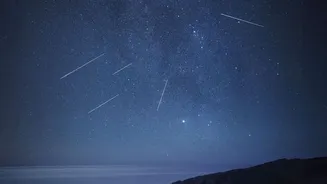
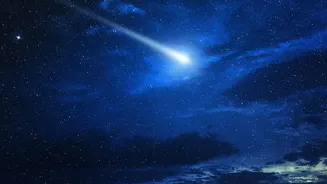
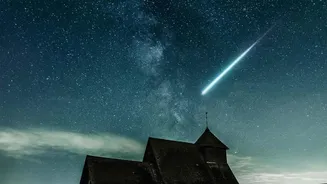
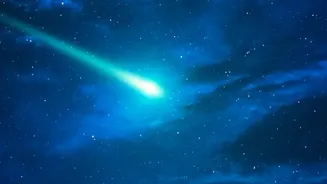
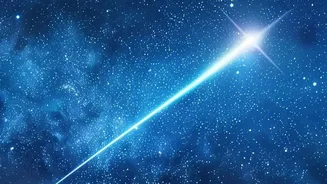
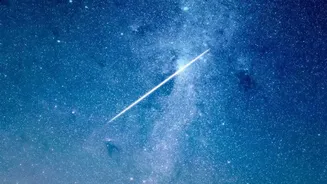
The Perseid meteor shower is an annual event that occurs when Earth passes through the trail of debris left by Comet Swift-Tuttle. As tiny particles of dust and rock enter our atmosphere at high speeds—around 59 km per second—they burn up, creating the bright
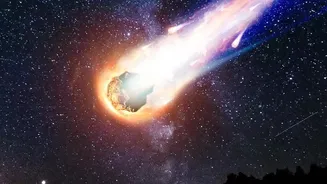
streaks of light we call shooting stars. The Perseids are known for being one of the most reliable and brilliant showers of the year, often producing bright meteors and even fireballs that leave long, glowing wakes. Under ideal conditions, you could see between 50 and 100 meteors per hour.
Best Viewing Time Tonight
The shower peaks on the night of August 12 and into the pre-dawn hours of August 13. For viewers in India, the prime time to watch will be between 2:00 AM and 4:30 AM IST on August 13, just before the morning twilight begins to brighten the sky. This year's peak perfectly coincides with a New Moon, which means there will be no moonlight to wash out the fainter meteors, making for an exceptional show. The absolute peak of the shower will technically occur during daylight hours in India, but the pre-dawn window will still offer a fantastic rate of meteors.
Hanle, Ladakh: India's Premier Dark Sky Reserve
For the most pristine stargazing experience, Hanle in Ladakh is unmatched. As India's first and only officially designated Dark Sky Reserve, it boasts some of the darkest skies in the world. Located high in the Changthang Wildlife Sanctuary at an altitude of over 4,500 meters, Hanle sits above much of the Earth's atmosphere, offering exceptionally clear and dry conditions with virtually zero light pollution. The local community has been trained as Astronomy Ambassadors to guide visitors, making it a world-class destination for witnessing celestial events like the Perseids.
Spiti Valley, Himachal Pradesh: A High-Altitude Haven
Another excellent option, Spiti Valley is a high-altitude desert that acts as a rain-shadow region, often escaping the monsoon clouds that can cover other parts of India in August. Its remote location, high elevation, and dry air create nearly perfect conditions for stargazing. Villages like Kibber, Langza, and Komic are renowned for their dark, unobstructed skies, offering breathtaking views of the Milky Way and meteor showers. Even a short drive from the main town of Kaza will take you to ideal viewing spots.
Coorg, Karnataka: Southern India's Darkest Skies
For those in southern India, the hills of Coorg in the Western Ghats offer a fantastic escape from city lights. The region's higher elevation and low population density result in clear, unpolluted skies, especially in the southern valleys around Srimangala and the Brahmagiri foothills. While the monsoon can be a factor, clear nights in Coorg provide a stunning canvas for the stars. There are even observatories and guided astronomy sessions available for those looking for a more structured experience.
Other Promising Locations
If you can't make it to the primary dark-sky sites, there are other locations worth considering. The Rann of Kutch in Gujarat, a vast salt desert, offers an otherworldly landscape with expansive, dark skies. In Rajasthan, desert areas near Jaisalmer, far from city lights, are also great for stargazing. The key is to get as far away from urban light pollution as possible, as even a short drive out of town can dramatically improve your view of the night sky.
Tips for the Best Viewing Experience
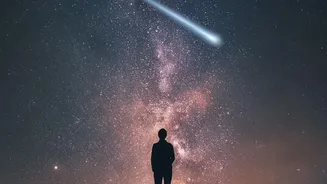
You don’t need any special equipment like a telescope or binoculars to enjoy the show. Find a safe, open area with an unobstructed view of the sky, away from trees and city lights. Give your eyes about 30 minutes to fully adjust to the darkness. Avoid looking at your phone, as the bright screen will ruin your night vision; use a red flashlight if you need light. Get comfortable by bringing a blanket or a reclining chair, lie back, and be patient. The meteors can appear in any part of the sky, so a wide view is best.