



Beyond Bleisure: Defining Integrated Travel
The latest travel phenomenon is less a single trend and more a fundamental mindset shift, best described as 'integrated travel'. It’s an evolution of concepts like ‘bleisure’ (blending business and leisure) and ‘workations’. Unlike a traditional holiday,
integrated travel doesn’t treat work, rest, and exploration as separate activities to be squeezed into a calendar. Instead, it weaves them together. One week might involve working remotely from a homestay in the hills of Himachal, while the next is about immersing in the local culture of Goa, all without being completely disconnected from professional responsibilities. This approach rejects the old model of working tirelessly for 50 weeks just to escape for two. For Gen Z, travel has become a lifestyle habit, a regular and spontaneous response to stress and monotony rather than a once-a-year planned event.
The Drivers: Burnout, Flexibility, and Authenticity
So, why is this happening now? The reasons are deeply rooted in Gen Z's values and recent history. This generation reports high levels of burnout and anxiety, with a significant percentage citing poor work-life balance as a top mental health concern. They are rejecting the 'hustle culture' that defined previous generations, instead prioritising mental health, purpose, and flexibility. The post-pandemic normalisation of remote work created the practical foundation for this shift, giving many the freedom to work from anywhere. This generation is also defined by its quest for authenticity. Surveys show that a vast majority of young Indian travellers seek out unique, personal experiences and destinations that haven't gone viral online. They would rather discover a local café than tick a famous monument off a list, making slower, more immersive travel naturally appealing.
The Rise of Slow Travel and Micro-Cations
Integrated travel manifests in two popular formats: slow travel and frequent 'micro-cations'. Instead of frantic, multi-city tours, young Indians are opting for longer stays in a single location. This could mean renting a place for a month to truly absorb the local rhythm, a trend gaining momentum in destinations like Munnar, Pondicherry, and Spiti Valley. Homestays and hostels are adapting, offering monthly packages complete with Wi-Fi and workspaces. At the same time, Gen Z has largely abandoned the single, long annual holiday. Research shows a strong preference for multiple short trips throughout the year, often planned spontaneously over a long weekend. More than 87% prefer trips lasting less than a week. These shorter, more frequent breaks act as a release valve for work-related stress, making travel a consistent part of their wellness routine rather than a rare luxury.
How It Works in Practice
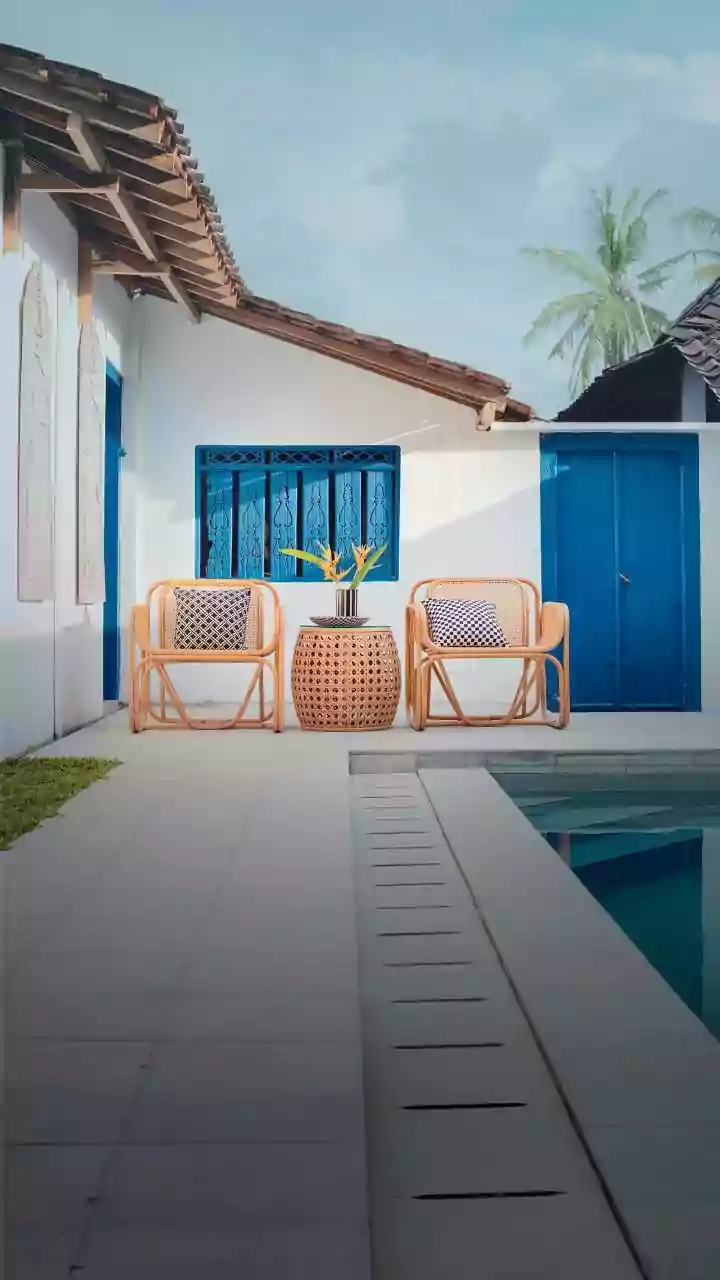
Embracing this lifestyle requires a different approach to planning. Connectivity is key, and destinations are often chosen based on the availability of reliable internet. The 'stay' itself becomes the destination, with a focus on comfortable, well-equipped accommodations that can serve as both a home and an office. While the idea of working from a scenic location is romantic, it demands discipline. Successful integrated travellers set clear boundaries, defining work hours versus exploration time to ensure productivity doesn't suffer. This generation is also digitally native, using apps to find deals and AI to plan itineraries, making the logistics of frequent travel more manageable. It's a calculated blend of spontaneity and structure, allowing for both professional reliability and personal discovery. The goal isn't to escape work, but to build a life where work doesn't feel like something that needs escaping from.