





The Concrete Jungle's Fever
At the heart of this issue is the 'urban heat island' (UHI) effect. In simple terms, cities become significantly hotter than their surrounding rural areas because of the materials we build them with. Natural landscapes with trees, soil, and water bodies
absorb some sunlight but also cool their surroundings through shade and evapotranspiration—the process of plants releasing water vapor. Urban areas, however, are dominated by concrete, asphalt, and dark-coloured buildings that are excellent at absorbing and storing the sun's heat.
Why Nights Suffer the Most
During the day, these man-made surfaces soak up enormous amounts of solar radiation, with some materials absorbing up to 95% of the sun's energy. While a park or field will cool down relatively quickly after sunset, the vast expanse of concrete and asphalt in a city acts like a giant storage heater. It spends the entire night slowly releasing the heat it absorbed during the day. This prevents the ambient temperature from dropping as it naturally should, leading to oppressively warm nights. The temperature difference between a city centre and a nearby rural area can be as much as 12°C in the evening.
Tier 2 Cities on the Frontline
This problem is particularly acute in India's Tier 2 cities. These urban centres are experiencing rapid, often unplanned, growth. This expansion frequently comes at the cost of green cover, with parks, fields, and water bodies being paved over for new housing, commercial complexes, and roads. Studies show that this type of development has already enhanced warming in Indian cities by 60% compared to non-urban areas. Research on cities like Jalandhar, Patiala, and Erode predicts they could face significant additional warming compared to their rural surroundings.
More Than Just Discomfort
This nighttime warming is more than a simple inconvenience. It has serious consequences for public health and energy consumption. Consistently high overnight temperatures can lead to sleep disturbances and exacerbate heat-related illnesses like fatigue and headaches, especially for the vulnerable. A study of informal settlements in three Tier 2 cities found that 42% of residents reported sleep disturbances due to night-time heat. Furthermore, warmer nights force residents to rely more heavily on air conditioners and fans, driving up electricity bills and straining the power grid. This increased energy use also contributes to more air pollution and greenhouse gas emissions, creating a vicious cycle.
Building Cooler, Greener Cities
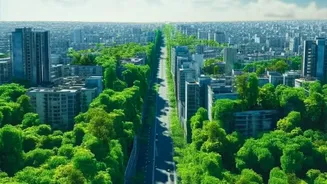
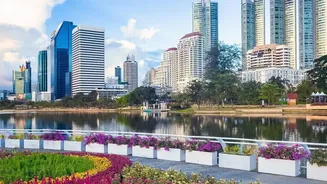
The good news is that this trend is not irreversible. Urban planners and residents can take steps to mitigate the urban heat island effect. The most effective solution is to preserve and expand green infrastructure. Planting more trees, creating parks, and protecting water bodies provide natural cooling and shade. Other innovative solutions include installing 'green roofs' (roofs covered with vegetation), using 'cool pavements' made of reflective materials that absorb less heat, and promoting building designs that allow for better ventilation. By embracing these strategies, growing cities can build a more sustainable and comfortable future for their residents.