








From Coastal Staple to Urban Star
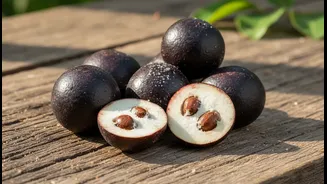
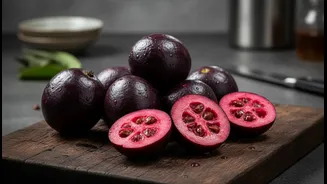
For generations, kokum’s role was beautifully defined: the dried rind provided a sour counterpoint in fish curries, and its juice formed the base of cooling sherbets that made summer heat bearable along the Western Ghats. Traditionally used in states
like Goa, Maharashtra, and Karnataka, its deep ruby hue and tart flavour were essential to regional dishes. But in recent years, a new generation of chefs and mixologists has started looking at this humble fruit with fresh eyes. They see its potential beyond the traditional. In cities across India, kokum is now being reimagined in everything from ramen broths and salad dressings to cheesecakes and pour-over coffee. This culinary curiosity is introducing the fruit to a new audience that is experiencing its unique flavour profile—acidic, fruity, and slightly sweet—for the first time in a modern context.
The Allure of the Sour Plum
So, why is kokum having its moment now? The trend is driven by a larger movement within Indian cuisine to rediscover and celebrate indigenous ingredients. Chefs are increasingly looking inward, finding inspiration in India's diverse pantry rather than relying on imported goods. Kokum fits perfectly into this narrative. Its distinct flavour offers a fantastic alternative to other souring agents like tamarind or lime. Furthermore, its health benefits are a major draw. Traditionally known as a digestive aid and for its cooling properties, modern science highlights its antioxidant and anti-inflammatory qualities. It contains hydroxycitric acid (HCA), which is studied for its potential role in weight management. This combination of a unique taste, vibrant colour, and wellness credentials makes it an ideal ingredient for today's health-conscious and curious consumer.
The Risks of a Revival
However, this newfound popularity comes with significant challenges. The most immediate risk is to the supply chain. Kokum is still largely considered a non-timber forest product, gathered from the wild rather than commercially cultivated on a large scale. A sudden surge in demand could lead to overharvesting, threatening the plant which is already listed as endangered by the Botanical Survey of India. Climate change also poses a severe threat, with studies predicting that large swathes of land in the Konkan region will become unsuitable for its growth. There are economic risks too; increased demand could inflate prices, making a traditional staple less accessible to the communities who have used it for centuries. Finally, there's a regulatory gap. A recent report highlighted that kokum is one of around 30 spices for which India's food safety authority, FSSAI, has not yet prescribed quality standards, which could impact consumer safety and export potential.
What's Next for This Heritage Fruit?
For kokum’s revival to be sustainable, several steps are crucial. The first is a move towards organised cultivation. Encouraging farmers to plant kokum trees, perhaps as an intercrop with coconut or cashew, can ensure a steady and sustainable supply, as demonstrated by pioneering farmers. This would also help stabilise prices and provide a reliable income for agricultural communities. Developing robust, hygienic post-harvest processing is also key. Much of the processing is still labour-intensive and done in unhygienic conditions, which affects quality. Investment in modern drying and processing technology could solve this bottleneck. Finally, continued innovation must be balanced with respect for tradition. While modern uses in cafes are exciting, it's important to preserve and celebrate kokum's role in traditional recipes like sol kadhi and regional curries. This ensures that the ingredient's cultural heritage is carried forward alongside its new identity.