




1. Embrace the Digi Yatra Expansion
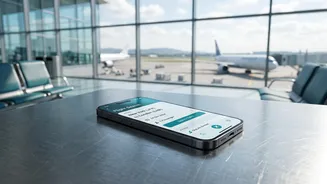
The Digi Yatra programme, which uses facial recognition for a paperless and seamless airport experience, is expanding significantly. Trials for international travel began in late 2026 at major airports, with a wider, more comprehensive rollout planned
for 2027. By January 2027, expect Digi Yatra to be the standard at an additional 25 domestic airports, bringing biometric-enabled processing to many more routes. For travellers, this means enrolling in the Digi Yatra app and linking your documents, including your e-passport for international journeys, will be essential for a fast-track experience. While it won't replace your physical passport or visa checks, it will significantly speed up entry, security, and boarding.
2. Understand the 'One-Bag' Cabin Rule
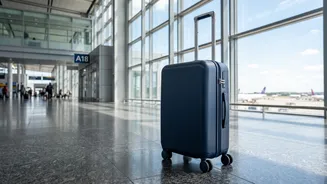
The Bureau of Civil Aviation Security (BCAS) has been strictly enforcing a 'one-bag rule' for cabin luggage, and this will be the undisputed norm by 2027. This policy limits economy class passengers to a single piece of cabin baggage, typically weighing no more than 7 kg. Items like a laptop bag or a handbag are not considered separate personal items and must be consolidated into your one allowable bag. For a stress-free security check, travellers must adapt their packing habits. This means investing in a cabin bag that meets airline dimension standards and packing efficiently to ensure all your in-flight necessities fit within that single piece.
3. Navigate New Fare Transparency Rules
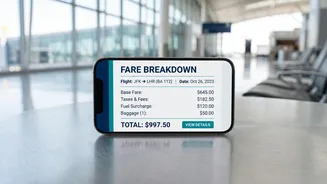
Starting January 1, 2027, the new Bharatiya Vayuyan Niyam, 2026, will be in effect, replacing the old Aircraft Rules of 1937. A key change for passengers is enhanced fare transparency. Airlines will be required to provide a clear and separate breakdown of the ticket cost, including the base fare, taxes, fees, cancellation charges, and refund conditions at the time of booking. This reform aims to eliminate hidden charges and give travellers a clearer picture of the total cost upfront. While the government will not regulate fares directly, it gains the power to intervene in 'extraordinary situations' to prevent extreme price surges, offering a layer of consumer protection.
4. Expect More Passenger-Friendly Policies
Recent directives from the Directorate General of Civil Aviation (DGCA) are shifting the industry towards a more passenger_first approach. By 2027, these policies will be firmly established. A major change is that airlines must offer at least 60% of their seats for free selection, reducing the extra costs associated with booking. Furthermore, passengers travelling together on a single PNR must be seated together, putting an end to families being scattered across the aircraft. Airlines are also mandated to have clearer, upfront policies regarding special items like sports equipment or pets, ensuring you know the rules before you book.
5. Prepare for New Security Screening Tech
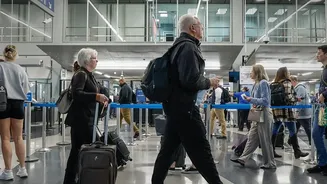
Airport security is getting smarter and more streamlined. The BCAS is overseeing the rollout of digitised workflows and new screening technologies across Indian airports. This includes advanced body scanners and CTX (Computer Tomography Xray) machines for cabin bags at more airports, which may eventually allow you to leave electronics and liquids in your bag during screening. While the transition is ongoing, travellers should always follow the specific instructions of the CISF officers at the checkpoint. Familiarise yourself with the rules on power banks (only in cabin baggage) and liquids (under $100ml$ in a transparent bag) as these remain critical for quick clearance.
6. International Flyers': SAF Mandates and Duty Free Updates
For those travelling abroad, two key changes are on the horizon. From $2027$, India is expected to mandate that international flights use a blend of Sustainable Aviation Fuel (SAF), starting at $1%$. While this is an environmental measure, it's a factor that could influence airline operating costs. On a more direct note for passengers, new baggage rules updated in early $2026$ increased the duty free allowance for returning Indian residents to $₹75$,$000$. Understanding these updated customs limits for electronics, personal goods, and gold will be crucial to avoid paying unexpected duties upon arrival in India.