






The Allure of the Monsoon
When most people imagine a beach holiday, they picture clear blue skies and blazing sun. But in Kerala, the off-season, which coincides with the monsoon months from roughly June to September, offers a different kind of magic. [8, 12] This isn't a time
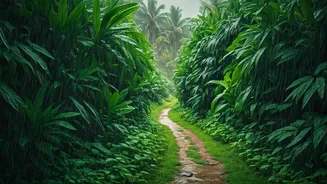
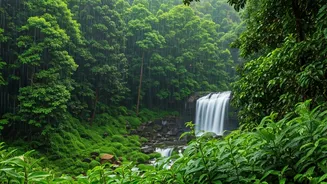
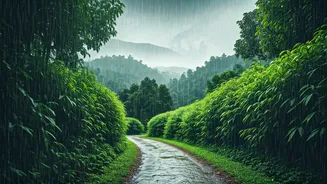
of non-stop torrential downpours that will ruin a trip. [7] Instead, the Keralan monsoon is typically a rhythm of intense showers followed by periods of soft, golden sunshine breaking through the clouds. [7] This weather transforms the landscape into an impossibly lush, green paradise. The scent of wet earth fills the air, and the vibrant foliage, washed clean by the rain, seems to pulse with life. [16] It’s a sensory experience that stands in stark contrast to the drier, hotter peak season.
Solitude on the Sand
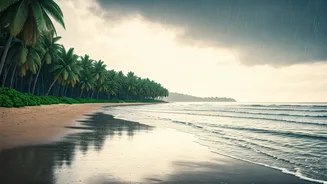
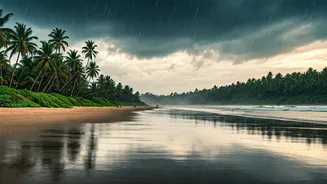
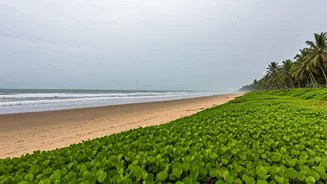
The single greatest advantage of a monsoon visit is the blissful emptiness. [5, 15] Popular beaches like Varkala, Marari, and Cherai, which teem with visitors during the winter, are quiet and serene. [2, 16] You can walk for miles along wet sands, with only the sound of the powerful, dramatic waves and the cries of seabirds for company. While swimming is often not recommended due to rougher seas, the sheer beauty of the coastline is amplified. [13, 17] The moody grey skies create a breathtaking backdrop for photography, and the experience of having a world-famous shoreline almost to yourself is a luxury that peak-season travellers can only dream of. [16] It’s an opportunity for quiet contemplation, long walks, and reconnecting with nature without the usual distractions. [11]
Beyond the Beach: A Season of Rejuvenation
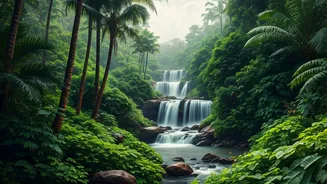
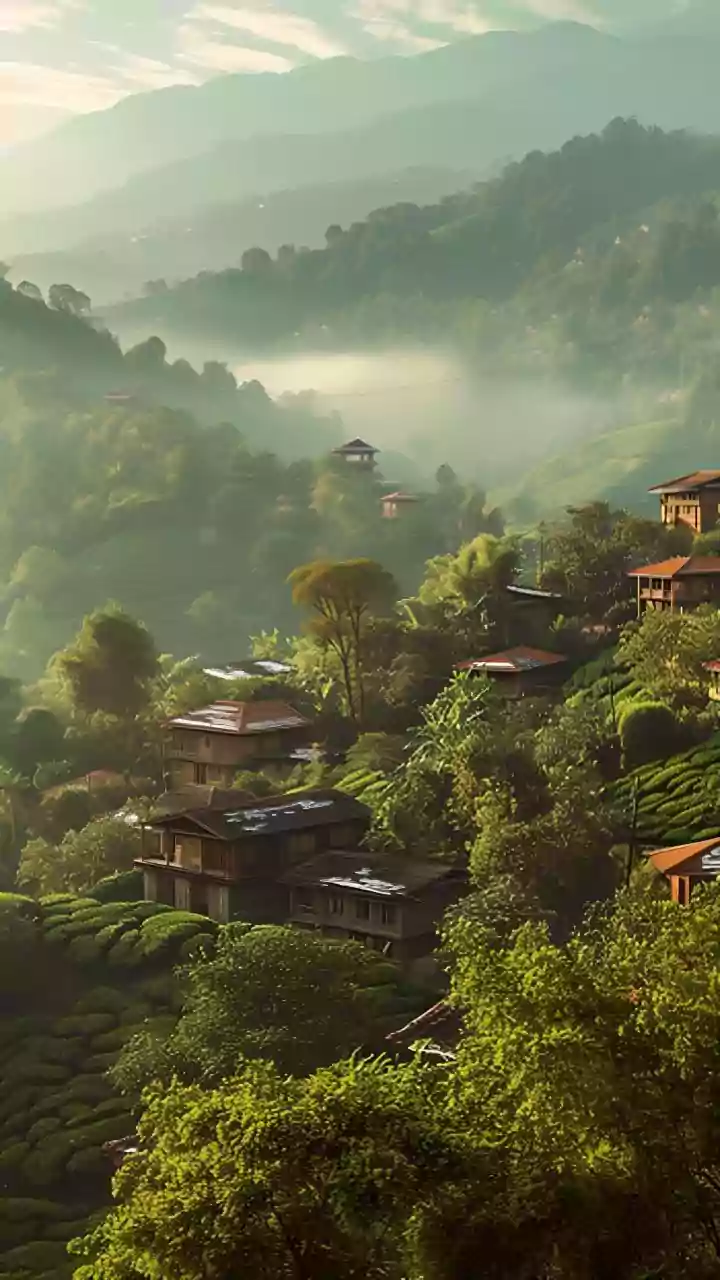
The monsoon's charm extends far beyond the coastline. In fact, this season is traditionally considered the best time for Ayurvedic treatments. [5, 7] Ancient wisdom holds that the cool, moist, and dust-free air opens the pores, making the body more receptive to herbal oils and therapies. [4, 7] Many visitors come specifically during this time for rejuvenation programs. [10] Beyond wellness, the backwaters of Alleppey and Kumarakom take on a different character, with fuller canals and intensely green surroundings perfect for a peaceful houseboat cruise. [3, 5] The hill stations of Munnar and Wayanad, often shrouded in mist, become even more romantic and atmospheric, with waterfalls like Athirappilly at their most spectacular. [4, 6, 18]
The Practical Perks of an Off-Season Trip
Beyond the atmospheric appeal, travelling to Kerala during the off-season makes practical sense. With fewer tourists, demand is lower, which translates into significant discounts on flights, hotels, and even luxury resorts. [8, 11] This makes a high-end trip more accessible and allows your budget to stretch further. [5] The lack of crowds also means more freedom and flexibility in your itinerary, no long queues at popular spots, and a more personal and authentic interaction with local culture. [3, 15] From the vibrant Onam festival, which often falls in August, to the thrilling snake boat races, the monsoon season is rich with cultural experiences that feel more immersive without the peak-season rush. [4, 5, 7]