


The Good News We All Hear
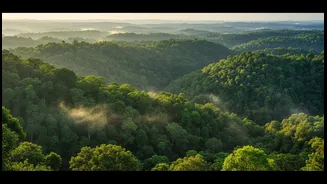
Reports from the Forest Survey of India (FSI) and announcements at global forums frequently highlight a positive trend: India's forest and tree cover is increasing. According to the India State of Forest Report (ISFR), the total green cover now stands
at over 25% of the country's geographical area. This figure combines both 'forest cover' and 'tree cover'. Massive afforestation drives like the Green India Mission and various state-level campaigns have planted billions of saplings, contributing to these impressive headline numbers and supporting India's climate goals of creating a significant carbon sink. On the surface, it’s a story of a nation successfully re-greening its landscape.
The Difference Between Green and Healthy
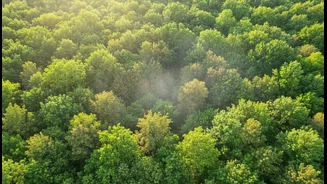
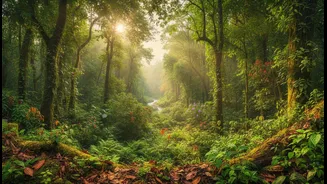
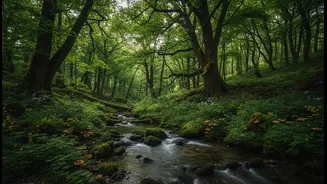
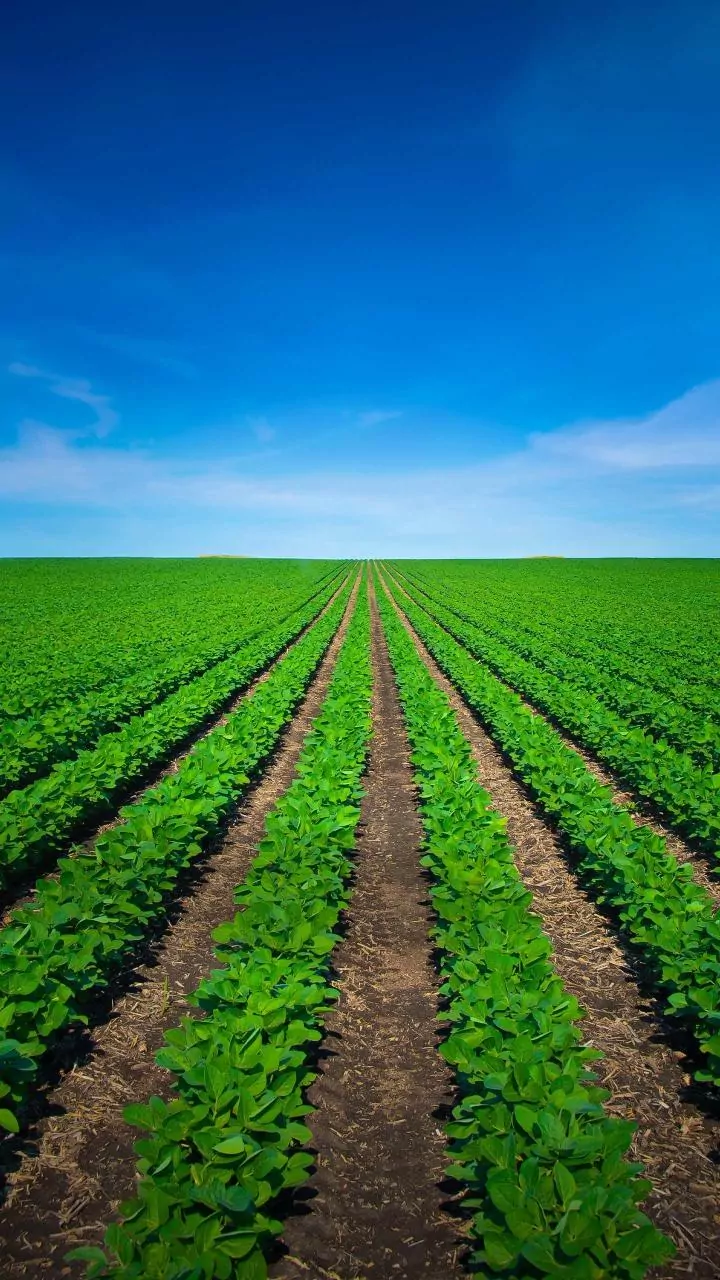
The critical caveat lies in the definition of 'green cover'. The FSI's definition of 'forest cover' is broad: any patch of land larger than one hectare with a tree canopy density of more than 10%. This definition does not distinguish between a biodiverse, old-growth natural forest and a commercial monoculture plantation of a single species like eucalyptus or teak. It also includes orchards, palm groves, and bamboo plantations. Consequently, an increase in total 'forest cover' can mask the simultaneous loss of natural, dense forests, which are being replaced by what are essentially agricultural crops. This statistical approach paints a greener picture than what ecological reality might suggest.
The Problem with Monoculture Plantations
While plantations can provide timber and grow quickly, they are ecologically impoverished compared to natural forests. Monoculture plantations—large areas planted with a single, often non-native, tree species—support significantly less biodiversity. They don't provide the varied habitat needed for a wide range of birds, insects, and other animals. Furthermore, studies in regions like Kerala have shown these plantations can lead to poorer soil health, reduced water retention, and a lower capacity to sequester carbon compared to natural forests. They can also be more vulnerable to pests and diseases, which can wipe out an entire area because of the lack of genetic diversity. Essentially, we are often replacing a complex, resilient ecosystem with a fragile, uniform one.
Weaker Forests and Water Woes
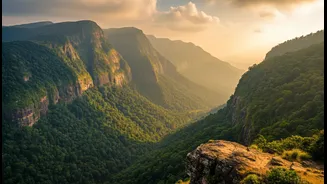
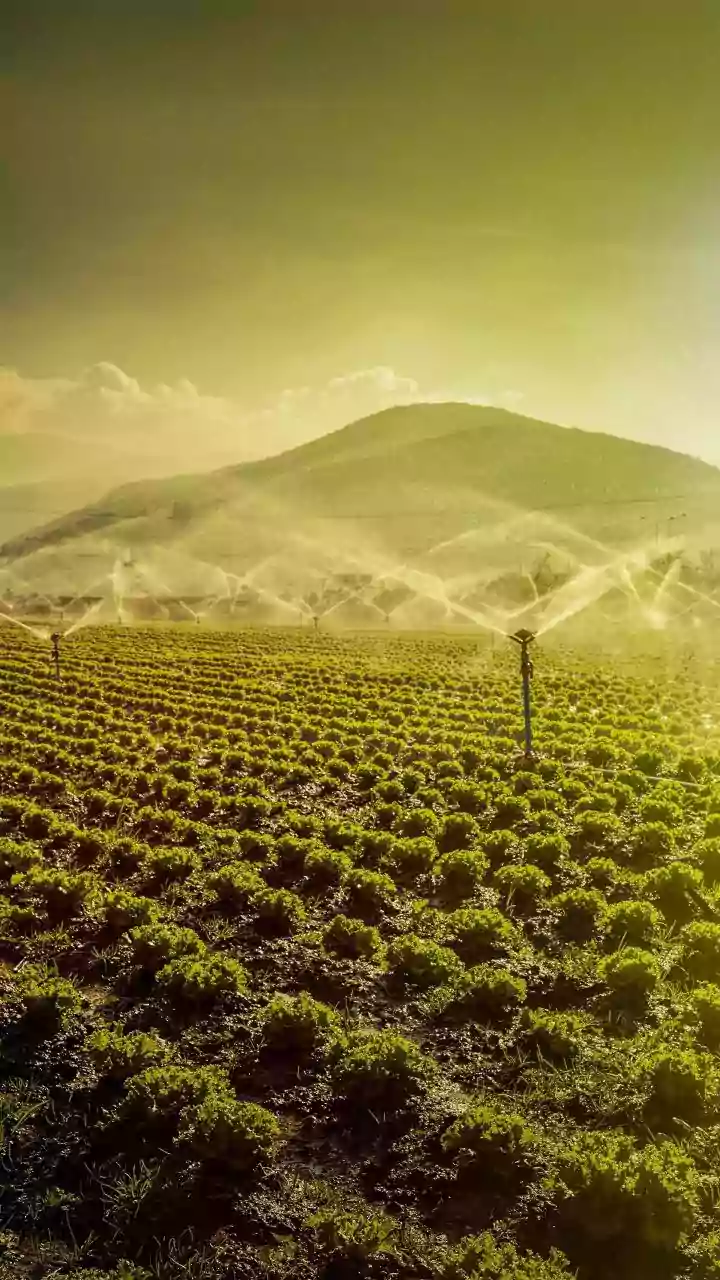
Recent scientific findings reveal a disturbing trend: even as India gets greener, its forests may be getting weaker. A study by researchers from IIT Kharagpur found that the photosynthetic efficiency of India's forests—their ability to convert carbon dioxide into biomass—has declined over the last two decades. This means that despite appearing green, the forests are becoming less effective at their most crucial job. This decline is most pronounced in ecologically critical areas like the Western Ghats and the Himalayas. Another major concern is water. While agricultural greening supported by intensive irrigation might increase vegetation cover, it does so at the cost of depleting groundwater tables, a significant long-term risk to water security. Natural forests, by contrast, are crucial for regulating hydrological cycles and maintaining healthy watersheds.
What a Safer Ecosystem Really Looks Like
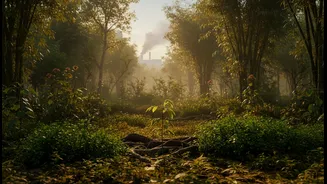
A truly safer and healthier ecosystem is not just about the percentage of land under trees. It's about biodiversity, resilience, and function. It means protecting our remaining dense, old-growth forests, which are invaluable carbon sinks and biodiversity hotspots. Reports have shown that while overall cover may be increasing, India has simultaneously lost thousands of square kilometres of dense forest. A healthier approach would involve prioritising the restoration of natural ecosystems with native species, rather than focusing solely on tree-planting targets. It requires policies that distinguish between ecologically valuable natural forests and commercial plantations. Protecting grasslands and wetlands, which are also vital ecosystems, is another crucial part of the puzzle that often gets overlooked in the race to increase 'tree cover'.