






What Your Body Needs After a Workout
To understand why these foods are so effective, let's quickly cover what happens when you exercise. A good workout creates tiny micro-tears in your muscles and depletes your energy stores, known as glycogen. The goal of a post-workout meal is twofold:
provide protein to repair and build muscle, and deliver carbohydrates to replenish that lost energy. This combination helps reduce muscle soreness, improves recovery, and prepares you for your next session.
Sattu: The Desi Superfood Explained
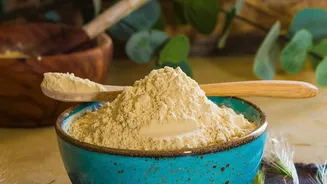
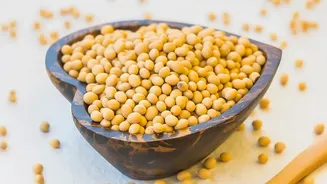
Sattu, a flour made from roasted Bengal gram (chana), has been a diet staple in regions like Bihar, Uttar Pradesh, and Punjab for centuries. Often called the 'poor man's protein', it is now being recognized as a nutritional heavyweight for modern fitness enthusiasts. A 100-gram serving of chana sattu packs around 20-25 grams of plant-based protein, which is essential for muscle repair. It’s also rich in complex carbohydrates that provide a steady release of energy, preventing the sugar crash associated with simpler carbs. Furthermore, sattu is high in dietary fibre, which aids digestion, and contains crucial minerals like iron, magnesium, and calcium that support overall metabolic health.
How to Use Sattu for Recovery
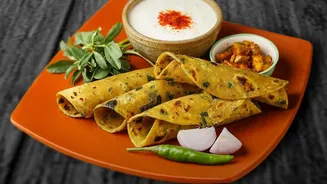
The beauty of sattu lies in its versatility. The most common way to consume it is as a simple, refreshing drink. Just mix a few tablespoons of sattu powder in water, add a pinch of black salt and a squeeze of lemon for a natural electrolyte drink that rehydrates and refuels. For a more substantial recovery shake, blend sattu with a banana and milk or a plant-based alternative. This combination provides an ideal mix of protein from the sattu and quick-absorbing carbs from the banana to kickstart glycogen replenishment. You can also make sattu laddoos or stuff it into parathas for a complete, protein-rich meal.
Sprouted Legumes: The Living Powerhouse
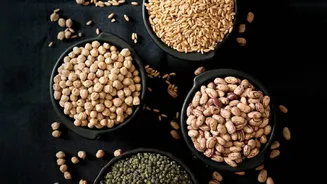
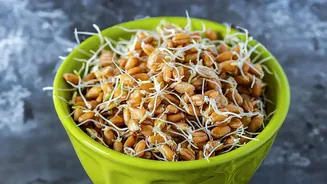
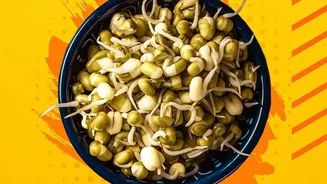
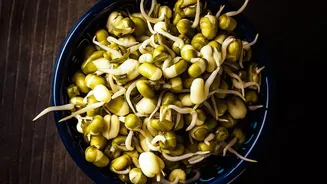
Sprouting is the process of germinating legumes like moong (mung beans), chana (chickpeas), or masoor (lentils). This simple act of soaking and allowing them to grow transforms them into nutritional dynamos. The sprouting process significantly increases the bioavailability of nutrients, meaning your body can absorb them more easily. It boosts the levels of vitamins, particularly Vitamin C and B vitamins, and makes the protein within the legumes easier to digest by breaking down anti-nutrients like phytic acid. Sprouted moong, for example, is not only a good source of digestible protein but also rich in potassium and magnesium, which are electrolytes lost through sweat during exercise.
Making Sprouts a Post-Workout Habit
Incorporating sprouts after exercise is incredibly easy. A simple sprouted moong dal salad, tossed with chopped onions, tomatoes, cucumber, and a light dressing, makes for a refreshing and nutrient-dense post-workout meal. The sprouts provide protein and fibre, while the fresh vegetables add vitamins and hydration. You can also lightly stir-fry sprouts with some spices for a warm dish or blend them into soups. Because the sprouting process makes them easier on the stomach, they are an excellent option for those who find whole legumes cause bloating or gas.
Traditional Foods in a Modern World
While whey protein is a concentrated protein source that's absorbed quickly, sattu and sprouts offer a more holistic nutritional package. They provide not just protein but also fibre, complex carbs, vitamins, and minerals in one whole-food package. Sattu's slow-releasing energy makes it great for sustained recovery, while its fibre content promotes gut health. Sprouted legumes offer highly digestible protein and an antioxidant boost. Plus, they are significantly more affordable and sustainable than most commercial supplements, making them an accessible choice for everyone.