





Your Gut: A Thriving Inner Garden
Imagine your gut not just as a part of your digestive system, but as a bustling, microscopic garden. This garden is home to trillions of microorganisms—bacteria, viruses, and fungi—collectively known as the gut microbiome. Just like a fingerprint, each
person's microbiome is unique. These tiny residents are far from being passive guests; they play a crucial role in your overall health. They help digest food, produce essential vitamins, regulate your immune system, and even communicate with your brain. A healthy gut is often compared to a diverse forest, where many different species coexist to create a resilient and balanced ecosystem.
Why Diversity is a Good Thing
When it comes to your gut microbiome, diversity is the name of the game. A rich and varied community of microbes is better equipped to perform its many functions and withstand disruptions, from stress to a course of antibiotics. Higher microbial diversity is associated with numerous health benefits, including better immune function, improved digestion, and reduced inflammation. Conversely, a lack of diversity, has been linked to a higher risk for conditions like inflammatory bowel disease and type 2 diabetes. A resilient gut community can also offer protection by outcompeting and blocking harmful pathogens from taking hold.
The 30 Plants a Week Guideline
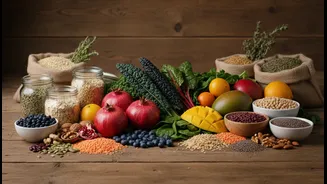
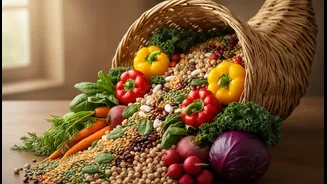
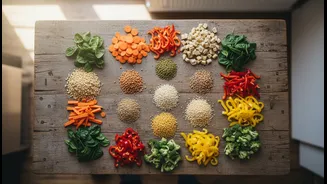
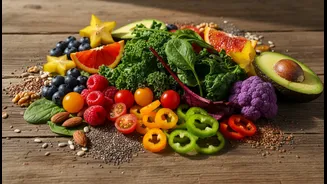
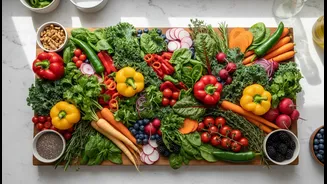
So, how do we cultivate this inner diversity? The answer lies on our plates. Groundbreaking research from the American Gut Project found a strong link between the variety of plants in a person's diet and the diversity of their gut microbes. Specifically, individuals who consumed 30 or more different types of plant foods per week had significantly more diverse microbiomes than those who ate 10 or fewer. This is because different plants provide different types of fibre and nutrients, which act as food for different types of beneficial bacteria. Think of it as providing a varied buffet for your microbes; the more options you offer, the more diverse the community that can flourish.
Making it Work in the Indian Kitchen
The idea of eating 30 different plants might sound daunting, but for many in India, it's closer to reality than you might think. The traditional Indian thali is a perfect example of this principle in action, often featuring a variety of vegetables, lentils (dal), grains, and spices in a single meal. The key is to be mindful and make small, intentional additions. Each spice in your masala dabba—from turmeric to cumin—counts. So does every vegetable in your sambar, the mixed dals in your pantry, and the nuts and seeds you might use as a garnish. Indian diets, which are often rich in fibre and plant-based foods, are already well-positioned to support a healthy gut. The goal is simply to build on that strong foundation.
Simple Swaps for More Variety
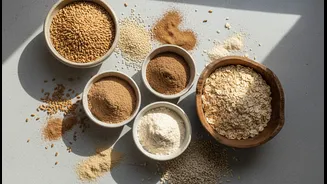
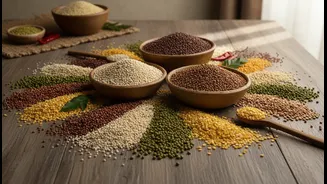
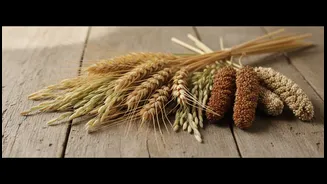
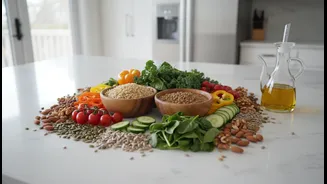
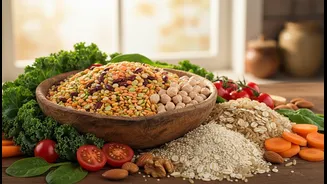
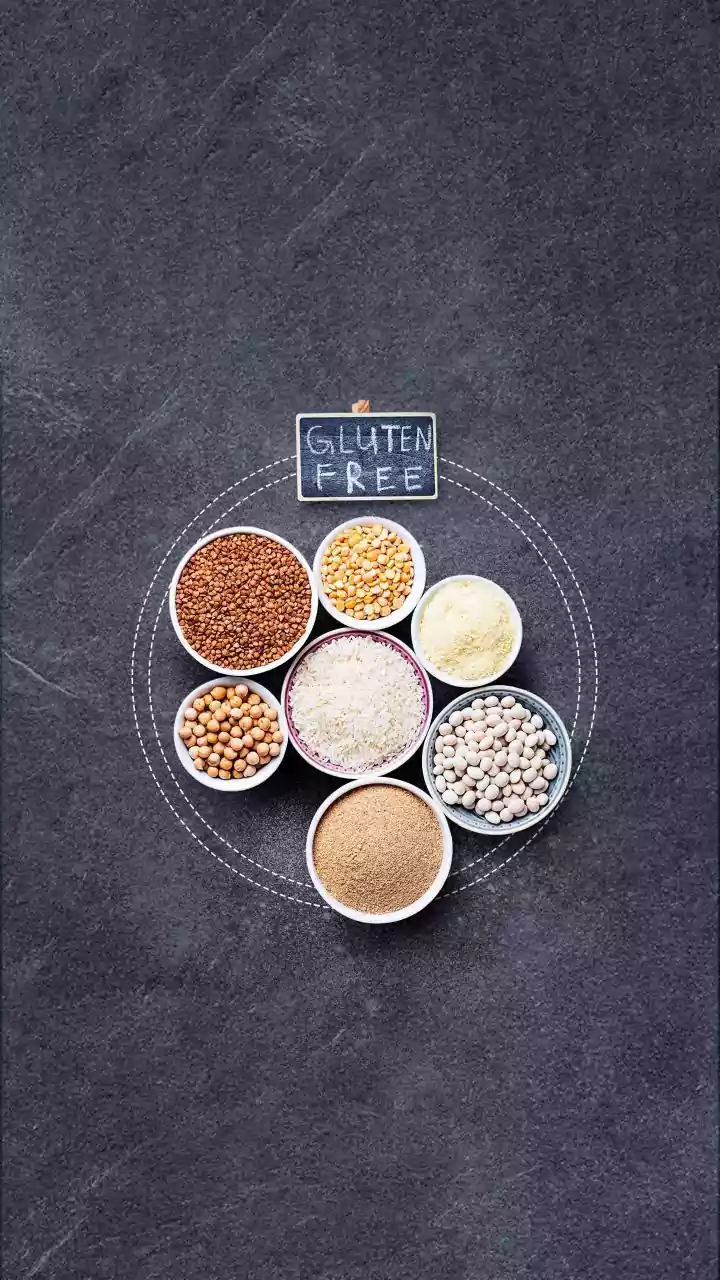
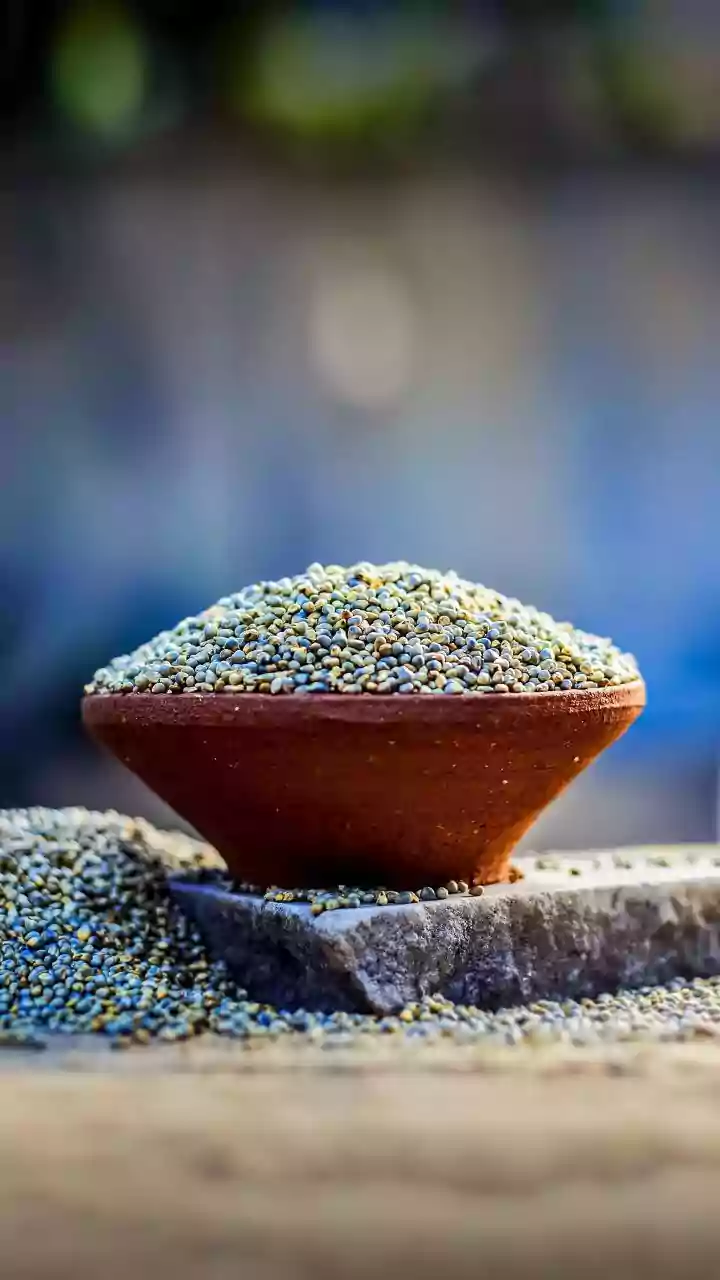
Reaching 30 plants a week is more about small tweaks than a major dietary overhaul. Start by aiming to fill half your plate with vegetables at every meal. Try a new vegetable or a different type of lentil each week. Instead of using only one grain, rotate between rice, millets, quinoa, and oats. Soups, stir-fries, and mixed vegetable curries are excellent ways to pack in multiple plants at once. Add a handful of spinach to your eggs or dal. Sprinkle a mix of seeds like flax, chia, and sunflower onto your oatmeal or yoghurt. Even fresh herbs like coriander, mint, and curry leaves count towards your weekly total. The focus isn't on perfection, but on consciously increasing the variety on your plate.