






The Power of Low-Impact Cardio
Low-impact cardio refers to any exercise that raises your heart rate while minimizing stress on your joints. Unlike high-impact activities where both feet might leave the ground simultaneously (like in jumping or running), these workouts involve keeping
at least one foot on the ground or supporting your body weight in other ways. This makes them an ideal choice for people with joint pain, arthritis, those recovering from an injury, or anyone who simply wants a more sustainable form of exercise. The best part? 'Low-impact' doesn't mean 'low-intensity' or 'low-benefit'. These routines are incredibly effective at strengthening your heart, improving circulation, lowering blood pressure, and managing weight. They allow you to train consistently and for longer durations with a lower risk of injury, which is the key to long-term cardiovascular health.
Dive In with Swimming
Swimming is often called the perfect exercise for good reason. It's a full-body workout that engages nearly every major muscle group while being exceptionally gentle on the joints. The water's buoyancy supports your body weight, reducing the impact on your knees, hips, and spine to nearly zero. This makes it an excellent choice for individuals of all ages and fitness levels, especially those with arthritis or limited mobility. As you move through the water, your heart works harder to pump blood to your muscles, improving cardiovascular fitness, lowering your resting heart rate, and boosting circulation. The resistance from the water also helps build muscle strength and endurance. Whether you're doing laps or participating in a water aerobics class, you get a powerful workout without the pounding.
Hit the Pavement with Brisk Walking
Never underestimate the effectiveness of a good walk. Brisk walking is one of the most accessible and beneficial forms of low-impact cardio. Regular walking strengthens your heart, helps regulate blood sugar, lowers blood pressure, and improves cholesterol levels. To get the most cardiovascular benefit, aim for a 'brisk' pace—one where your breathing and heart rate are noticeably elevated, but you can still hold a conversation. This level of intensity is enough to improve your heart and lung health significantly. Studies have shown that walking just 30 minutes a day, five days a week, can substantially reduce your risk of coronary heart disease. It's a simple, free, and effective way to stay active and support your heart for years to come.
Cycle Your Way to Health
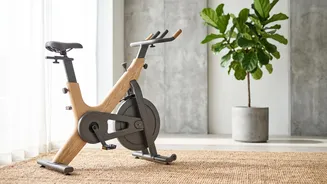
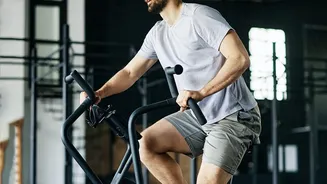
Whether you're on a stationary bike at the gym or riding outdoors, cycling is a fantastic low-impact cardio option. The smooth, circular motion of pedalling allows you to get your heart rate up without putting stress on your knees and hips, making it a great alternative to running. Cycling works all the major muscles in your lower body, including your quads, hamstrings, and glutes, while also engaging your core for stability. This combination of muscle engagement provides a powerful cardiovascular workout that improves endurance and stamina. You can easily adjust the intensity by changing your speed or increasing the resistance, making it suitable for everyone from beginners to seasoned athletes.
Glide with the Elliptical Trainer
The elliptical machine was designed to mimic the motion of running without the associated impact, making it a go-to for joint-friendly cardio. Your feet remain on the pedals throughout the workout, providing a smooth, gliding motion that protects your ankles, knees, and hips. Most ellipticals feature moving handlebars, allowing you to engage your upper body for a true full-body workout that targets your arms, chest, and back in addition to your legs. This comprehensive muscle engagement helps burn a significant number of calories and boosts cardiovascular health by strengthening your heart and lungs. It's an efficient and safe way to elevate your heart rate and build endurance.
Row for a Full-Body Challenge
The rowing machine offers a potent combination of cardiovascular exercise and strength training that works over 85% of your body's muscles in a single, fluid motion. Each stroke engages your legs, core, back, and arms, making it one of the most efficient full-body workouts available. Despite its intensity, rowing is a low-impact activity. You are seated throughout the exercise, which removes the stress on your weight-bearing joints like the knees and hips. This allows you to push your cardiovascular system to build power and endurance without the risk of high-impact strain. Regular rowing sessions can significantly improve heart and lung function, making it a superb choice for overall fitness.