




The Spiritual Purpose of Fasting
On Janmashtami, which falls on Friday, September 4, 2026, the act of fasting, or 'upvas', is more than a ritual. The Sanskrit word 'upvas' means 'to reside near', signifying a practice to reduce worldly distractions and draw closer to the divine. The goal
is to purify the body and mind, creating a state of calm and focus for prayers and meditation. It's an act of devotion, discipline, and gratitude toward Lord Krishna, observed from sunrise until midnight, the time of his birth. While some undertake a strict 'nirjala' fast without food or water, many follow a 'phalahar' diet, which has its own specific guidelines.
The Ancient Rule Against Grains
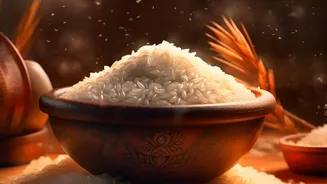
The tradition of avoiding grains during Janmashtami is deeply rooted in Hindu scriptures and is linked to the rules of Ekadashi, a sacred day of fasting that occurs twice a month. According to the Padma Purana and other texts, a personification of sin, known as Papa-purusha, takes refuge in grains on these holy days. It is believed that consuming grains like rice, wheat, and lentils on these specific days means absorbing this negative energy, which hinders spiritual progress. This prohibition is taken very seriously, with scriptures stating that eating grains on a holy day like Janmashtami nullifies the spiritual benefits of the fast. Therefore, to maintain purity and receive the full blessings of the observance, all grains and pulses are strictly avoided.
An Ayurvedic and Seasonal Perspective
Beyond religious texts, the practice has a logical basis in Ayurveda, India's traditional system of medicine. Ayurvedic fasting, or 'Langhana', is seen as a way to rest the digestive system and reignite the digestive fire, known as 'agni'. Grains are considered heavy and can be harder to digest. By avoiding them, the body gets a chance to cleanse itself of 'ama', or toxins. This temporary break from heavy foods is believed to enhance mental clarity and physical lightness, which is conducive to meditation and prayer. The timing of Janmashtami, often falling during a seasonal transition, is also significant. Ayurvedic principles suggest that our digestive power can be weaker during these times, making a lighter, grain-free diet a sensible choice for maintaining health and balance.
Why Fruits and Dairy Take Centre Stage
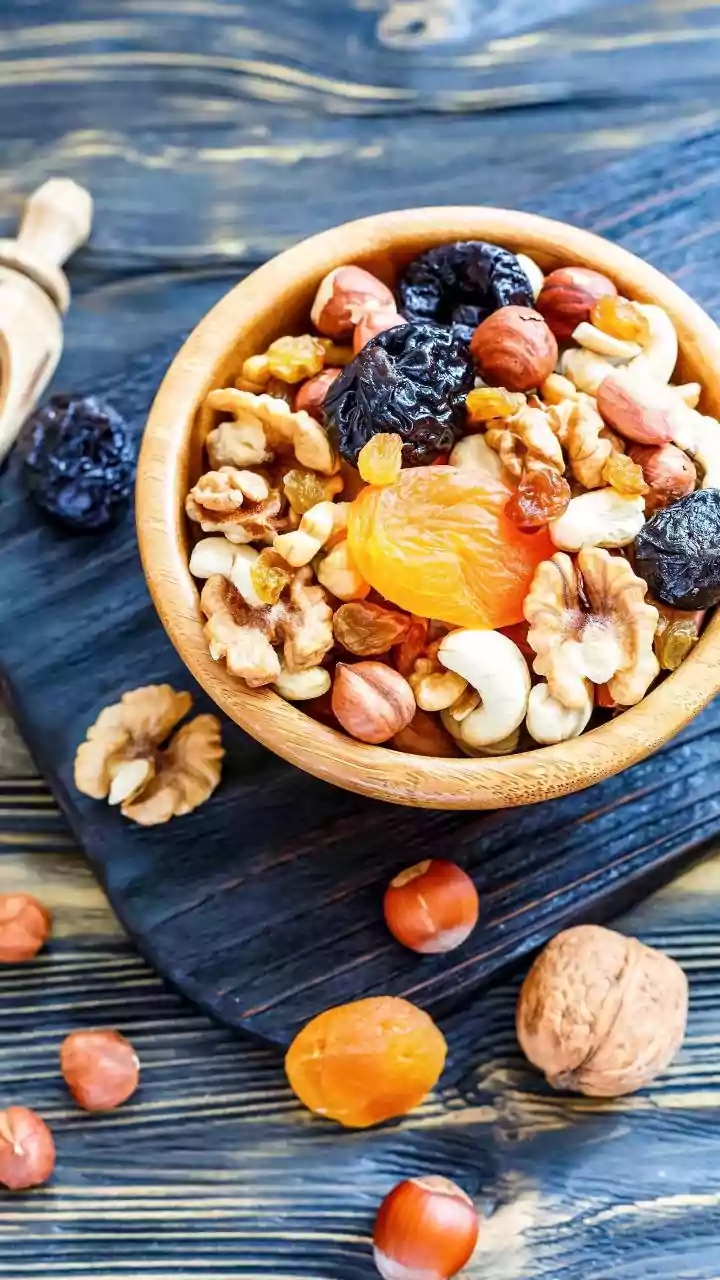
The 'phalahar' diet literally translates to a 'diet of fruit'. Fruits, along with select vegetables, nuts, and dairy products, are considered 'sattvic'. Sattvic foods are those that are believed to promote purity, harmony, and mental clarity. They are light, easy to digest, and provide instant energy without making one feel heavy or lethargic. Dairy products, especially milk, butter ('makhan'), and curd, hold special importance as they were Lord Krishna's favorites. His childhood tales are filled with mischievous stories of him stealing butter, making these items a key part of the offering ('bhog') and the fast itself. Consuming these foods is a way for devotees to feel connected to Krishna's life and divine play.
A Practical Guide to Fasting Foods
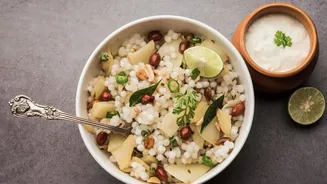
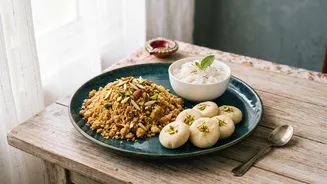
For those observing the fast, knowing what is permitted is key. The approved list typically includes all fruits, such as bananas and apples. Dairy products like milk, curd, and paneer are central to many 'vrat' recipes. Instead of grains, devotees use alternatives like buckwheat flour ('kuttu ka atta'), water chestnut flour ('singhara atta'), amaranth flour ('rajgira'), and tapioca pearls ('sabudana'). Vegetables like potatoes and sweet potatoes are also allowed. A crucial rule is the substitution of regular table salt with rock salt ('sendha namak'). Foods that are 'tamasic' or thought to cause mental restlessness, such as onion, garlic, and non-vegetarian items, are completely avoided to maintain the sattvic nature of the fast.