





The quest for clean, fresh air inside our homes has many of us wondering what works best. Is a high-tech air purifier the answer, or can a few potted plants do the job? The truth is more complex, especially when you factor in opening a window.
The Power of an Air Purifier
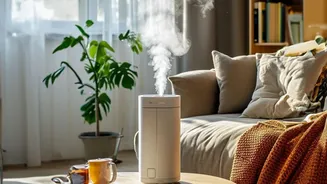
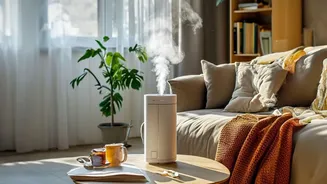
An air purifier
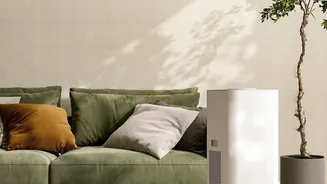
is a purpose-built machine designed to do one thing very well: scrub the air of tiny, invisible pollutants. Most quality purifiers use HEPA (High-Efficiency Particulate Air) filters. These are incredibly fine mechanical sieves that are proven to capture at least 99.97% of airborne particles down to 0.3 microns in size. This category includes the most common and concerning indoor irritants: PM2.5 pollution from traffic and industry, dust mites, pet dander, pollen, and mould spores. For gaseous pollutants, like volatile organic compounds (VOCs) from new furniture or cleaning products, better models include an activated carbon filter that traps odours and chemicals that HEPA filters cannot. Essentially, if your primary goal is to remove harmful particulate matter and allergens from your indoor environment, a mechanical purifier is the most effective and efficient tool for the job.
The Truth About Houseplants
The idea that houseplants are powerful natural air purifiers is a popular one, largely stemming from a famous NASA study from 1989. While this study did show that plants could remove VOCs from the air, it was conducted in small, sealed lab chambers. Unfortunately, these results don't scale up to a typical room in a home, which has a much larger volume of air and is not perfectly sealed. Subsequent research has shown that you would need a forest-like density of plants—upwards of 10 to 1000 plants per square metre—to even begin to compete with the air-cleaning rate of a standard purifier or even just basic ventilation. This doesn’t mean plants are useless. Their proven benefits are significant for our well-being, including reducing stress and improving mood. Think of them as being for your mental health, not your respiratory health.
Head-to-Head: Technology vs. Nature
When placed side-by-side, it's clear that purifiers and plants are not interchangeable; they perform different functions. An air purifier is an active, powerful tool for removing harmful airborne particles that can trigger allergies and cause long-term health issues. Houseplants are passive, beautiful additions that have a negligible effect on particulate matter but offer significant psychological and aesthetic benefits. Choosing between them depends entirely on your goal. If you are concerned about pollution, dust, or allergens and want medically meaningful air cleaning, the purifier is the only logical choice. If you simply want to liven up your space and boost your mood, a plant is a wonderful option. They are not in competition, because they are not in the same category of effectiveness for purification.
What About Opening a Window?
This is where things get tricky. Opening a window provides ventilation, which is crucial for a healthy home. It flushes out carbon dioxide that we exhale and reduces the concentration of VOCs that build up from indoor sources. However, ventilation is only as beneficial as the air it lets in. In many Indian cities, outdoor air is often heavily polluted with high levels of PM2.5. In these situations, opening a window can invite more pollution in than it lets out, dramatically increasing your indoor particle count and defeating the purpose of creating a cleanair sanctuary. Running an air purifier with the window open is also highly inefficient, as it continuously tries to clean a neverending supply of incoming polluted air.
A Smart, Combined Strategy
The best approach isn’t about choosing one solution, but about using all three tools intelligently. The ideal strategy is to create a sealed, cleanair zone. Keep windows and doors closed in the room you want to purify, and run a correctly sized air purifier to scrub that contained volume of air. This is your primary defence against particulate pollution. For ventilation, be strategic. Use an air quality app to monitor outdoor pollution levels. Open your windows for a brisk crossbreeze during times when the outdoor air quality is in the 'good' or 'moderate' range, then close them and turn your purifier back on. And finally, fill your home with houseplants for the joy, beauty, and connection to nature they provide. They are a component of a healthy home, just not in the way many of us were led to believe.