
Besan Ladoo: The Northern Classic
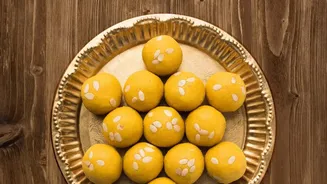
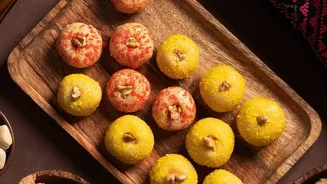
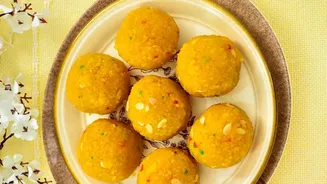
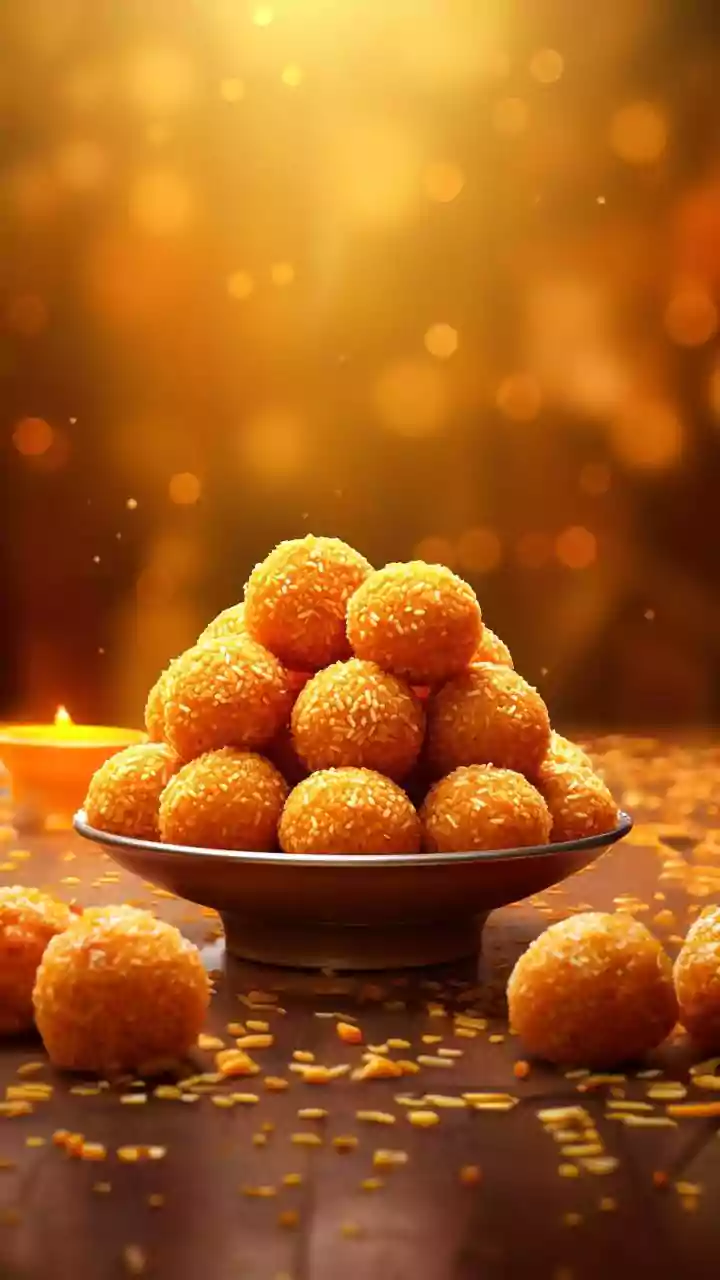
Besan Ladoo is a staple in North Indian households during festivals like Diwali and Ganesh Chaturthi. Made from just three primary ingredients—gram flour (besan), ghee, and sugar—these golden orbs are deceptively simple. The magic lies in the roasting.
The key is to roast the besan in ghee on a low flame, stirring constantly until it turns a lovely golden-brown and releases a nutty aroma that will fill your entire home. This process requires patience, but it's what gives the ladoo its signature melt-in-the-mouth texture. Once roasted, the mixture is cooled slightly before the powdered sugar and a pinch of cardamom are mixed in. You then form the warm mixture into small, round balls. Beginner's Tip: If your mixture seems too dry to form balls, add a teaspoon of warm ghee. If it’s too sticky, let it cool a little longer. Don't rush the roasting process; even, slow cooking is the secret to a perfect texture and avoiding a raw flour taste.
Coconut Ladoo: A Taste of Coastal Sweetness
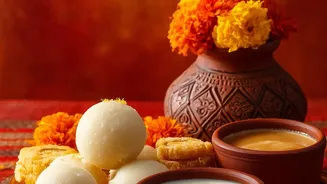
Coconut Ladoo, or Nariyal Ladoo, is popular across India, especially in coastal regions where coconuts are abundant. It's one of the quickest and easiest sweets to make, perfect for a first-time attempt. There are several variations, but the simplest for beginners involves just two main ingredients: desiccated coconut and condensed milk. Simply mix the two in a pan over low heat until the mixture thickens and comes together. Add a dash of cardamom powder for fragrance, let it cool just enough to handle, and roll it into bite-sized balls. For a final touch, you can roll the finished ladoos in more desiccated coconut for a beautiful, textured finish. These are often prepared for festivals like Navratri and are also a common temple offering, or prasad.
Shankarpali: The Crispy Diamond of the West
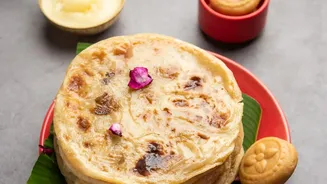
Originating from Maharashtra and also popular in Gujarat and Karnataka, Shankarpali (or Shakarpara) is a crispy, diamond-shaped snack that can be either sweet or savoury. The sweet version is a Diwali favourite. Making it is similar to preparing a simple biscuit dough. Flour (maida), semolina (rava), sugar, and ghee are combined to form a stiff dough. This dough is then rolled out, not too thin, and cut into diamond or square shapes. The final step is to deep-fry these pieces on a medium-low flame until they are golden brown and crisp. They have a long shelf-life, making them a perfect snack to prepare in advance for the festive season. Beginner's Tip: Frying on low heat is crucial. If the oil is too hot, the Shankarpali will brown quickly on the outside but remain raw inside. You can also bake or air fry them for a healthier alternative.
Rava Kesari: South India's Fragrant Delight
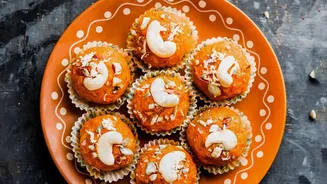
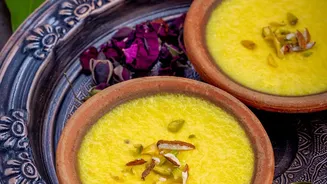
Rava Kesari, also known as Kesari Bath, is a beloved South Indian sweet often served during festivals like Ugadi and Navratri, and even as a special breakfast item. It's a type of halwa made from semolina (rava), sugar, ghee, and water or milk. The name 'Kesari' refers to its signature saffron or orange hue. The process involves roasting the rava in ghee until it's aromatic, then adding it to boiling sugar syrup infused with saffron or a pinch of food colouring. The mixture is stirred continuously until the rava absorbs the liquid and thickens. Finally, it's garnished with ghee-fried cashews and raisins. The result is a soft, fragrant pudding with a glistening, melt-in-your-mouth quality. Beginner's Tip: The ratio of rava to water is key to getting the right consistency. A common starting point is one part rava to three parts water. Pouring the hot liquid into the roasted rava slowly while stirring constantly helps prevent lumps.