



The Science of a Healthier Crunch
An air fryer isn’t just a small oven; it’s a high-powered convection device that uses rapidly circulating hot air to cook food. A powerful fan blasts hot air around the food, creating a crispy exterior through a process called the Maillard reaction—the
same reaction that browns toast or sears meat. While deep-frying relies on hot oil to transfer heat and create a crispy crust, an air fryer uses superheated air. This method drastically reduces the amount of oil needed, often by more than 80%, making it a significantly healthier way to achieve a satisfyingly crunchy texture on foods that would otherwise be submerged in oil. It also means less mess, no large pots of oil to handle, and an easier cleanup process.
Adapting Fritter Recipes for the Air
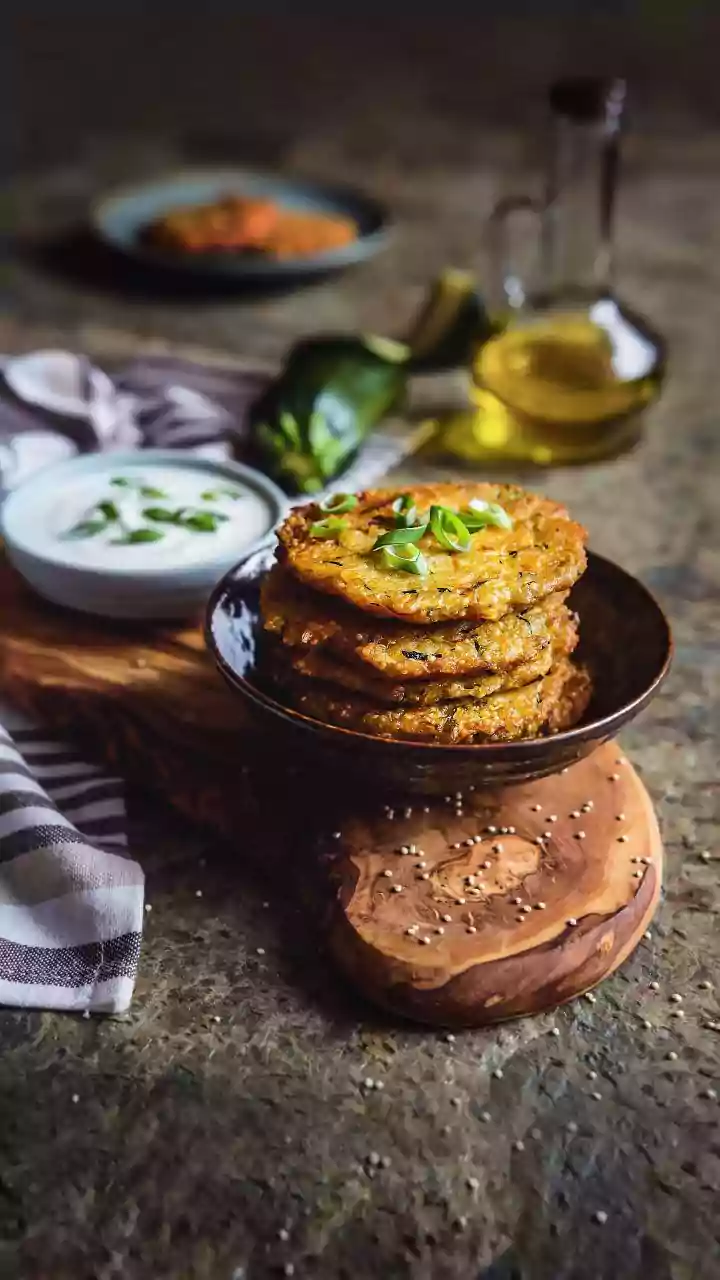
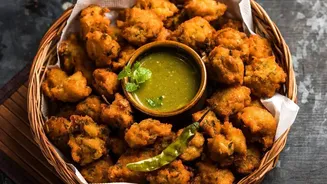
You can adapt most traditional fritter recipes, from onion pakoras to moong dal vadas, for the air fryer with a few key adjustments. The most crucial change is batter consistency. A very wet or runny batter, like the kind used for some bhajiyas, will simply drip through the air fryer basket. The solution is to make your batter slightly thicker, so it clings to the vegetables or main ingredient. For pakoras, use just enough besan (gram flour) and water to lightly coat your sliced onions or vegetables. Adding a teaspoon of rice flour can also help increase crispiness. For items like aloo tikkis or vadas that are shaped by hand, resting the patties for a few minutes before cooking helps them firm up and hold their shape inside the air fryer.
Essential Tips for Fritter Perfection
To get the best results, a few simple techniques go a long way. First, always preheat your air fryer for 3-5 minutes; this helps the cooking start immediately and creates a better crust. Second, don't overcrowd the basket. Food needs space for the hot air to circulate and crisp it from all sides. Cook in batches if necessary. Third, while the process is low-oil, it's not no-oil. A light brush or spray of oil on the fritters is essential for browning and achieving that golden, fried appearance. Finally, for even cooking, it's a good idea to flip or shake the fritters halfway through the cooking time. For many pakora recipes, cooking at 180°C for 10-15 minutes, flipping midway, yields excellent results.
Managing Expectations: Taste and Texture
Will an air-fried pakora taste identical to its deep-fried counterpart? The honest answer is no, but that’s not a bad thing. Deep-fried fritters are heavy and rich because the oil penetrates the food. Air-fried versions are significantly lighter and have a different kind of crunch—often crispier on the outside while remaining soft inside, but less dense overall. The flavour of the vegetables and spices tends to be more pronounced because it isn't masked by oil. Think of it as a trade-off: you sacrifice some of the rich, oily mouthfeel for a snack that you can enjoy more often and with far less guilt. It’s a modern, healthier interpretation of a classic favourite.
Beyond Pakoras: Samosas, Tikkis, and More
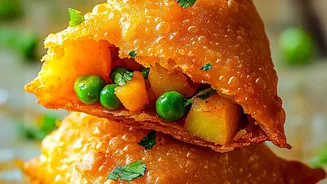
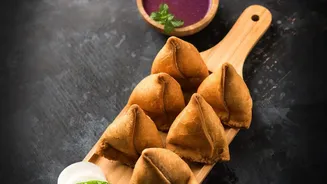
The air fryer's utility extends far beyond just pakoras. It's fantastic for making crispy samosas, both from scratch and frozen. Simply brush with oil and air fry at 180°C for 12-15 minutes, flipping halfway. Aloo tikkis and other cutlets cook beautifully, developing a crisp exterior while the inside stays soft and fluffy. You can also make everything from paneer tikka and tandoori chicken to roasted makhana and crispy okra (bhindi). It's also an excellent tool for reheating previously fried items, bringing back their crunch far more effectively than a microwave ever could.