


What Exactly is 'Swicy'?
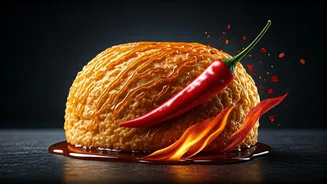
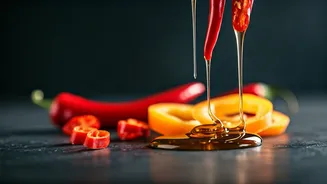
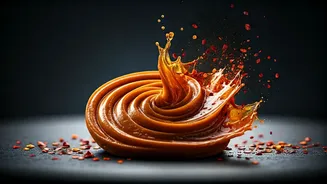
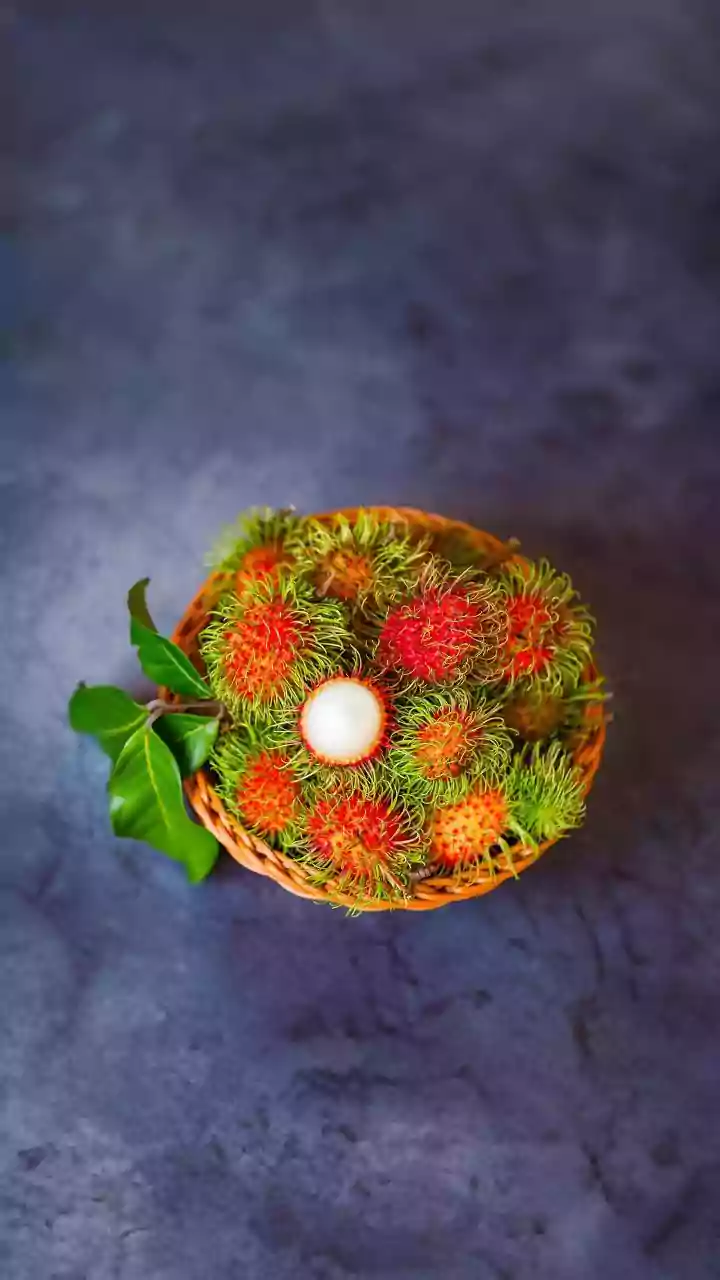
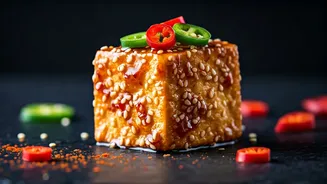
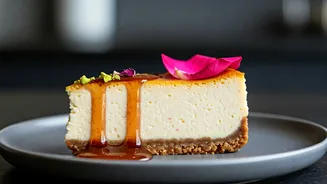
Imagine the delightful shock of a chili-infused honey or the complex joy of mango tossed with chilli salt. That's 'swicy' in a nutshell: a culinary trend that celebrates the perfect balance of sweetness and heat. It's not about overwhelming spice or cloying
sugar, but rather a layered experience where each flavour enhances the other. Globally, this trend has manifested in popular condiments like hot honey, which dominated recipe searches in 2025, and the ubiquitous Korean gochujang, a fermented chilli paste with a subtle sweetness. While the term might be new, having been recently trademarked by Lay's Chips, the flavour philosophy is ancient, found in cuisines from Mexico to Thailand.
An Old Friend with a New Name
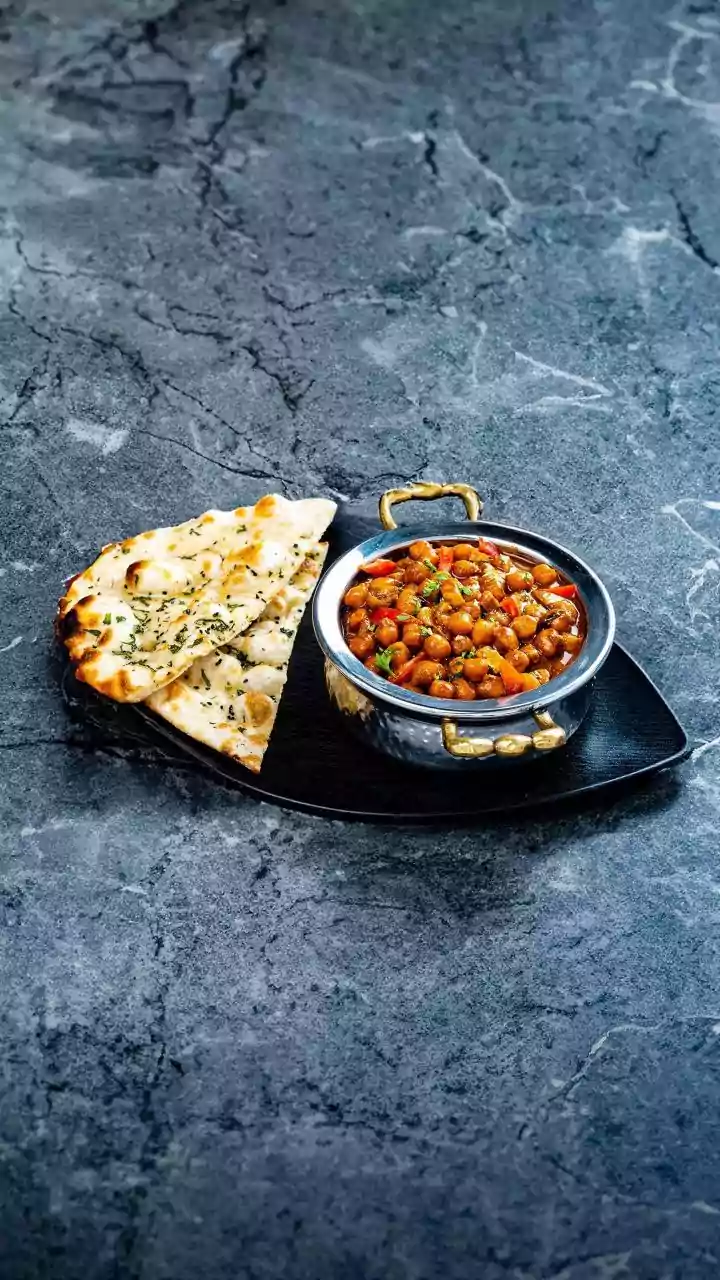
For India, 'swicy' is less of a new trend and more of a homecoming. Long before the West gave it a catchy name, Indian kitchens have instinctively mastered this balance. Think of the classic street-side chaat, where tangy and sweet tamarind chutney collides with fiery green chilli chutney. This flavour combination is a cultural mainstay, deeply embedded in regional cuisines. Gujarati food, with dishes like dhokla served with sweet and spicy chutneys, is a prime example. Parsi cuisine's famous dhansak, with its blend of lentils, vegetables, and subtle sweet-sour-spicy notes, also fits the profile. The Udupi-style 'Kabbu Gojju' or spicy sugarcane curry, is another unique example, balancing jaggery, tamarind and chillies. As one food entrepreneur noted, the West may have packaged it with a new vocabulary, but India has been practising this flavour philosophy for generations.
The Global Wave on Modern Indian Menus
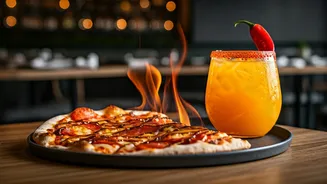
So why is 'swicy' having such a moment now? The answer lies in a confluence of factors. The global popularity of Korean culture has made gochujang a pantry staple, inspiring chefs to incorporate it into everything from marinades to gravies. Similarly, hot honey, a viral sensation abroad, is finding its way onto Indian pizzas, fried chicken, and even cheese toasts. Modern Indian restaurants are reinterpreting traditional dishes with these global trends. You might find honey chilli potatoes, an Indo-Chinese classic, sharing menu space with spicy mango salsas or even chilli chocolate ladoos. This isn't the forced fusion of the past, like chicken tikka pizza, but a more thoughtful integration of flavours. It reflects a newfound confidence in Indian cuisine, which is no longer looking for external validation but is instead leading the conversation.
Driven by a New Generation of Eaters
The trend is also being fuelled by the changing palates of Millennial and Gen Z consumers. With increased exposure to global food trends through social media, younger diners are more adventurous and actively seek out novel food experiences. They crave drama on their plates—bold, intense, and complex flavours that are visually appealing and shareable online. The 'swicy' profile, with its inherent contrast and vibrancy, is perfectly suited for this. Home cooks are also driving the trend, experimenting with DIY swicy recipes and sharing them on social media, indicating a grassroots movement that goes beyond restaurant menus. This represents a natural evolution of the Indian palate, which has always appreciated complexity and boldness.