



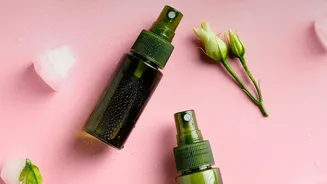
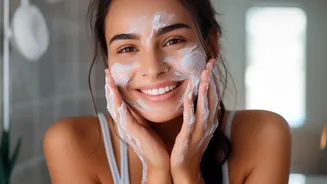
The latest viral beauty hack combines two skincare powerhouses: the anti-aging prowess of retinol and the de-puffing magic of skin icing. But before you freeze your favourite serum, dermatologists are urging caution, especially for sensitive skin.
The Allure of a Frozen Hack
Social
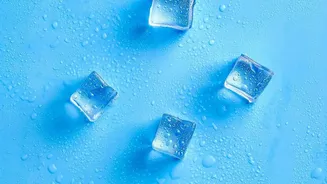
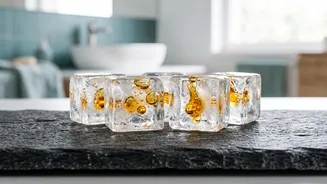
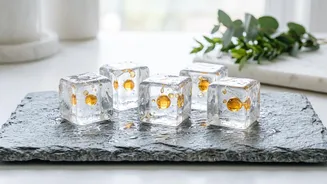
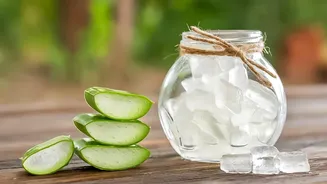
media is buzzing with a seemingly brilliant idea: freezing retinol serum into ice cubes for a one-step facial treatment. The logic appears sound, combining the long-term benefits of retinol—a vitamin A derivative celebrated for boosting collagen and accelerating cell turnover—with the immediate effects of cryotherapy. Skin icing, or applying cold to the face, is known to constrict blood vessels, which can temporarily reduce puffiness, inflammation, and the appearance of pores. The promise of waking up, grabbing a single ice cube, and treating wrinkles and under-eye bags simultaneously is undeniably appealing. This DIY trend taps into our desire for efficient, multi-tasking skincare solutions that deliver visible results.
The Cold, Hard Truth: What Are the Risks?
Despite the trend's appeal, applying DIY retinol ice directly to the skin comes with significant risks. The extreme cold from direct ice application can be harsh, potentially leading to redness, irritation, and even broken capillaries, particularly for those with sensitive skin or conditions like rosacea. Prolonged contact can cause ice burns or frostbite, damaging the delicate skin barrier. When this protective barrier is compromised, your skin loses its ability to retain moisture, leading to dehydration and increased sensitivity. This can create a cycle of inflammation, undermining the very goals of using retinol in the first place.
A Question of Chemistry and Stability
Beyond the physical risks of the cold, the core problem lies in the chemistry of retinol itself. Retinol is a notoriously unstable ingredient, sensitive to light, air, and temperature changes. Commercially available retinol products are meticulously formulated in labs with stabilizing ingredients and specific packaging to protect their potency. Freezing a serum in a simple ice tray exposes it to conditions that can degrade the active ingredient, rendering it ineffective. Furthermore, freezing can cause the formula to separate. Water and oil-based components can split, meaning you're likely applying an uneven, unpredictable concentration of retinol to your skin, which can heighten the risk of irritation without ensuring any of the benefits.
What the Experts Say
Dermatologists and cosmetic chemists consistently advise against DIY skincare concoctions, especially those involving powerful active ingredients like retinol. While refrigeration can sometimes extend the shelf life of certain products, freezing is a different story and is generally not recommended for complex formulas like serums and creams. The consensus is clear: the potential for skin barrier damage, irritation, and ingredient degradation far outweighs any perceived benefits of this viral hack. Experts emphasize that effective skincare relies on scientifically tested formulations that ensure safety, stability, and proper delivery of active ingredients—something a homemade ice cube cannot guarantee.
A Smarter Way to DePuff and Rejuvenate
So how can you achieve the desired effects safely? The answer is to separate the steps. Continue using a professionally formulated retinol serum as part of your nighttime routine. Apply a pea‐sized amount to clean, dry skin, and follow with a moisturiser. This ensures you get the full, stable benefits of the vitamin A derivative. For morning puffiness, turn to plain ice or a dedicated cryo tool. Wrap an ice cube in a soft cloth to protect your skin and gently glide it over your face for a minute or two. Alternatively, invest in a skin‐safe ice roller or cooling globe stored in the fridge. This two‐step approach delivers the anti‐inflammatory benefits of cold therapy and the proven anti‐aging power of retinol without compromising your skin's health.
Gentler Alternatives to Retinol
If you have sensitive skin and find retinol too harsh, several effective alternatives can deliver similar anti‐aging benefits with less irritation. Bakuchiol, a plant‐based compound, has been clinically shown to stimulate collagen and improve skin texture much like retinol. Peptides are another excellent option; these amino acid chains act as building blocks for proteins like collagen and elastin, helping to firm the skin and reduce the appearance of fine lines. Niacinamide (Vitamin B3) and Vitamin C are other powerhouse ingredients that can help brighten skin, improve elasticity, and reduce inflammation, offering a gentler path to a radiant complexion.