



Understanding the Moisture Challenge
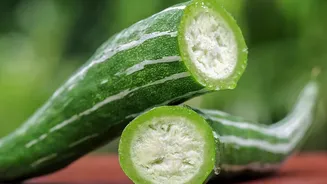
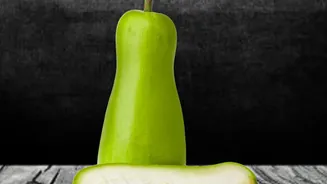
Bottle gourd, or lauki, is prized for its high water content, which makes it hydrating and easy to digest. However, this very quality becomes a challenge when making kebabs from its peels. The peels, much like the flesh, retain a surprising amount of
liquid. When you mix grated peels with spices and binding agents, this trapped moisture begins to 'weep', creating a soggy mixture that lacks structural integrity. The result is often kebabs that are difficult to shape, fall apart during frying, and have a steamed, mushy texture instead of a desirable crisp exterior. The key to perfect bottle gourd peel kebabs lies in proactively removing this excess water before you even begin to add your flavourings.
Technique 1: The Essential Salting and Squeezing
The most crucial step, borrowed from the process of making lauki koftas, is to use salt to draw out the water. After thoroughly washing and finely grating the bottle gourd peels, place them in a bowl and sprinkle generously with salt. Mix it well and let it rest for about 10 to 15 minutes. During this time, the salt will pull a significant amount of liquid out of the vegetable cells through osmosis. You will see water pooling at the bottom of the bowl. Now, take handfuls of the grated peel and squeeze firmly to wring out as much liquid as possible. For an even more effective squeeze, you can place the salted peels in a muslin cloth or a clean kitchen towel, gather the corners, and twist to exert maximum pressure until the pulp feels almost dry. This step is non-negotiable for achieving a firm kebab mixture.
Technique 2: Choosing the Right Binding Agent
Even after squeezing, some residual moisture will remain. This is where a good binding agent comes in. Gram flour, or besan, is the traditional and most effective choice. Besan not only helps absorb any leftover water but also adds a nutty, toasted flavour and helps create a crispy crust when fried. Start by adding a few tablespoons of besan to your squeezed peel mixture. The goal is to add just enough to form a dough that holds its shape when rolled into a ball. If the mixture still feels too wet or sticky, add more besan one spoonful at a time. Avoid adding too much, as it can result in dense, heavy kebabs that taste more of flour than of the delicate gourd peel. Other options like breadcrumbs or roasted chickpea flour (sattu) also work well.
Technique 3: The Pre-Cooking Method
For an extra layer of insurance against sogginess, some cooks prefer to lightly pre-cook the peels. After washing, you can either briefly boil the peels until they are just tender or steam them for a few minutes. Once cooked, let them cool down completely. Then, proceed with the grating and, most importantly, the squeezing. This pre-cooking step softens the peels, making them easier to handle and mash, but the squeezing remains vital to remove the water absorbed during boiling or steaming. An alternative is to sauté the raw, grated, and squeezed peels in a dry pan over medium heat for a few minutes. This helps evaporate even more moisture before you mix in the spices and binder, ensuring a firmer final product.
Final Checks for a Perfect Kebab
Before you commit to frying the entire batch, always test one kebab. Heat your oil to a medium temperature. If the oil is too hot, the kebab will brown too quickly on the outside while remaining raw inside; if it's too cool, it will absorb excess oil and become greasy. Shape one small kebab and gently slide it into the oil. If it holds its shape and fries to a golden brown, your mixture is perfect. If it starts to disintegrate, your mixture is likely still too wet. In that case, return the mixture to the bowl and add another tablespoon of gram flour, mix well, and then try the test again. Chilling the kebab mixture in the refrigerator for about 15-30 minutes can also help it firm up, making the kebabs easier to shape and fry.