




India's Critical Summer Crops
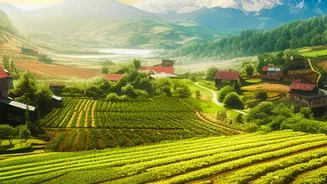
Kharif crops are the backbone of India's food supply, planted at the beginning of the monsoon in June and July and harvested in autumn. This category includes some of the country's most essential staples and commercial crops like rice (paddy), maize,
soybean, cotton, and various pulses. Unlike Rabi (winter) crops, which often have better access to irrigation, a vast majority of kharif cultivation is rain-fed. This makes millions of farmers, and by extension the entire nation's food security, profoundly dependent on the performance of the southwest monsoon which delivers about 70% of India's annual rainfall.
Understanding 'Monsoon Gaps'
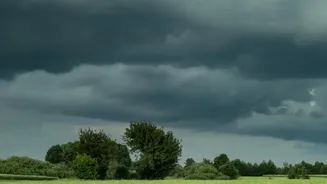
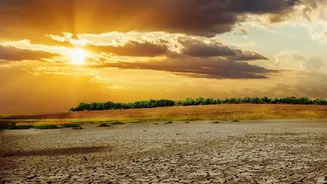
A 'monsoon break' or 'gap' is a period of prolonged dry weather that interrupts the rainy season. This happens when the monsoon trough, a critical low-pressure belt that drives rainfall, shifts northwards to the foothills of the Himalayas. When this occurs, rainfall becomes concentrated in the Himalayan regions and northeastern states, while the vast plains of central and northern India, the country's agricultural heartland, experience a dry spell. While short breaks are a normal feature of the monsoon, a prolonged gap, especially during critical crop growth stages, can be disastrous. The current 2026 monsoon, influenced by El Niño conditions, has seen uneven distribution, with a significant rainfall deficit recorded in June, followed by a partial recovery in July that still left many regions dry.
The Impact on Plant Health
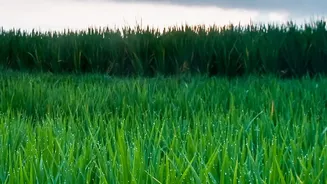
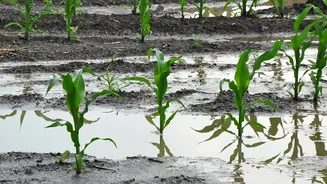
For a sapling in the field, a monsoon gap is a direct threat to survival. Different crops have different water needs, but all require consistent moisture during their vegetative growth and flowering stages. Rice, for instance, requires standing water for transplantation and early growth. A dry spell at this time can stunt the plant permanently. For other crops like soybean and maize, moisture stress during flowering or grain-filling stages can severely reduce the final yield. According to recent reports from August 2026, crops are showing signs of evaporative stress due to localised moisture deficiencies. This not only reduces yield but also makes plants more susceptible to pests and diseases, further threatening the harvest.
The Current Sowing Situation
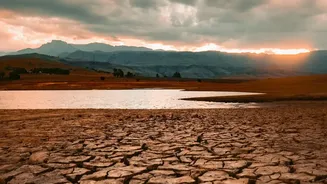
The erratic start to the 2026 monsoon led to significant delays in kharif sowing. While a strong spell of rain in July helped farmers catch up, the overall sown area for key crops remains a concern. As of early August 2026, the cumulative rainfall deficit for the country stood at around 12%, with nearly half of the districts experiencing deficient rainfall. This has translated into a lag in the sowing of rice, coarse cereals, and some pulses compared to last year. While the overall sowing gap has narrowed, the uneven spread of rain means that some major food-producing states continue to face drought-like conditions, putting standing crops at risk.
From Fields to Your Finances
The consequences of a poor kharif harvest ripple far beyond the farm gate. Lower agricultural output directly translates to reduced income for farmers, which in turn weakens rural demand for goods like tractors, two-wheelers, and other consumer products. For urban consumers, the most immediate impact is on food prices. Reduced supply of staples like pulses, vegetables, and cereals can lead to food inflation, straining household budgets. This also puts pressure on the government, which may need to implement support measures for farmers, and influences the Reserve Bank of India's decisions on monetary policy to control inflation.