
The Colour Code: Natural vs. Artificial
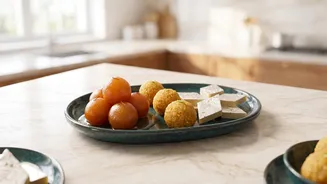
Your eyes are the first line of defence. Truly premium sweets get their colour from their ingredients, not from a bottle. Natural colours are often softer and more subtle. Look for the gentle golden-yellow from high-quality saffron (kesar), a vibrant
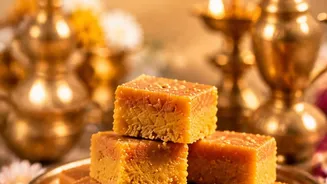
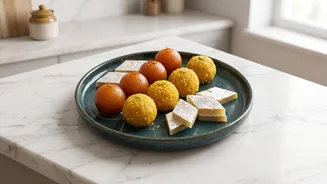
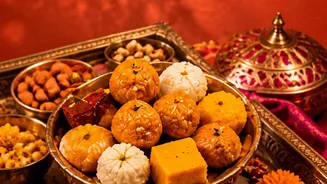
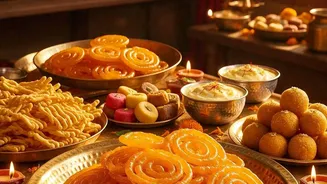
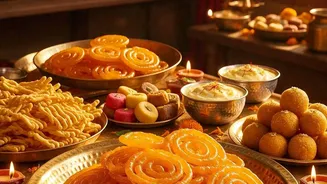
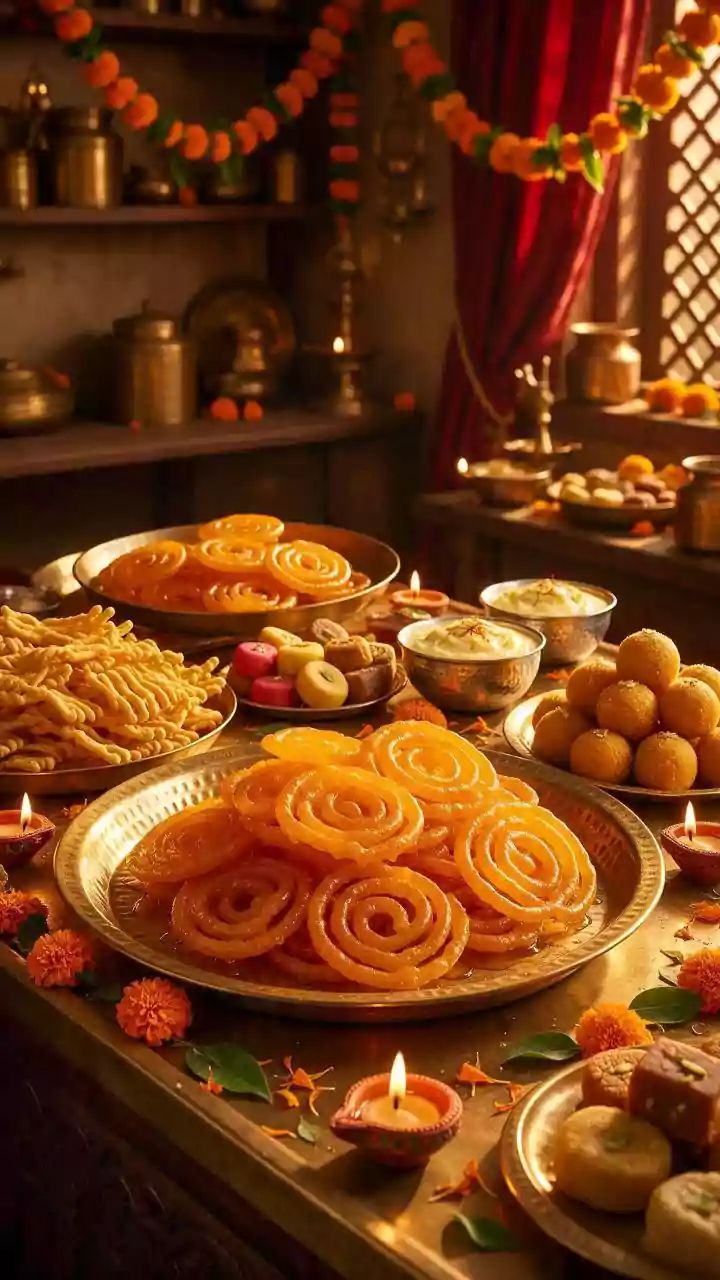
yellow from turmeric (haldi), a lovely pink from beetroot, or a natural green from crushed pistachios. Be cautious of mithai with unnaturally bright, neon, or excessively uniform colours. An electric green pista barfi or a fluorescent orange motichoor laddoo likely contains synthetic dyes. While some synthetic colours are permitted by the Food Safety and Standards Authority of India (FSSAI), many unorganised sellers may use non-permitted or industrial dyes that can pose health risks.
Trust Your Senses: The Freshness Test
Freshness is key to flavour, and your nose is an excellent judge. High-quality, fresh sweets made with pure ghee should have a rich, milky, or nutty aroma. If a sweet smells sour, musty, or has a faint chemical or oily odour, it is likely old or made with inferior ingredients. The texture also tells a story. Good quality mithai should be soft, moist, and have a uniform consistency. Stale or adulterated sweets might feel hard, dry, gritty, sticky, or rubbery. If you have the chance to sample a piece, pay attention to the aftertaste. A soapy or bitter finish can indicate the presence of chemical adulterants.
Key Ingredients That Signal Premium Quality
The term 'premium' comes down to the ingredients. Pure desi ghee is the foundation of most high-quality Indian sweets, providing a distinct flavour and melt-in-the-mouth texture that vegetable oils or vanaspati cannot replicate. A simple test is to rub a small piece of the sweet on your palm; if it's made with pure ghee, it should start to melt from your body heat. Another crucial ingredient is khoya or mawa (reduced milk solids). Fresh, pure khoya smells milky and is soft and slightly greasy. Adulterated versions, often bulked up with starch or made with synthetic milk, can feel rubbery or have a sour smell. Finally, look for whole or coarsely ground nuts rather than artificial essences.
The Curious Case of Silver Vark
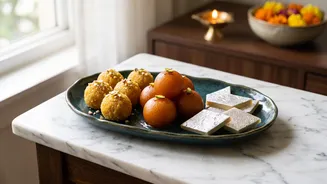
The delicate silver foil, or 'vark', that adorns many premium sweets like Kaju Katli is a traditional sign of luxury. However, this is an area where adulteration is common, with some vendors substituting real silver with cheaper, non-edible aluminium foil. Real silver vark is incredibly thin, adheres smoothly to the sweet, and disintegrates into a fine powder when rubbed gently. Fake vark made from aluminium is often thicker, shinier, and may peel off like foil. When in doubt, it is safer to choose sweets without vark or to buy from highly reputable vendors known for their quality standards.
Smart Shopping Strategies for Diwali
To ensure you get the best, always buy from trusted, well-established sweet shops with a reputation for quality. These vendors are more likely to adhere to FSSAI guidelines and use high-grade ingredients. Don't be swayed by suspiciously low prices; pure ghee, real khoya, and quality nuts are expensive, and the price should reflect that. When buying pre-packaged sweets, check the manufacturing and expiry dates. Avoid boxes that appear to have been sitting on the shelf for a long time. For milk-based sweets like barfi or kalakand, which have a shorter shelf life, it's best to buy them fresh and consume them within a day or two.