



The Monsoon's Double-Edged Sword
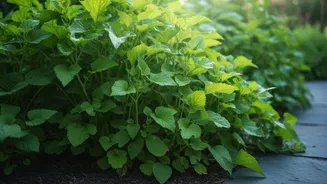
The same conditions that make our gardens flourish during the rainy season also create a haven for pests and fungal diseases. Continuous rain, high humidity, and less sunlight lead to a damp, crowded environment. Dense plant canopies trap moisture and reduce
air circulation, preventing leaves from drying out. This prolonged wetness is the ideal condition for fungal spores to germinate and for pests like snails, slugs, aphids, and mealybugs to multiply rapidly. Fallen leaves and debris on wet soil further compound the problem, offering a perfect hiding and breeding spot.
Common Fungal Foes To Watch For
Fungal infections are one of the biggest challenges for gardeners during the monsoon. Be on the lookout for common signs. Powdery mildew appears as a white, dusty coating on leaves and stems, often affecting roses and vegetables. Black spot, another common issue for roses, presents as dark, circular spots on leaves, often surrounded by a yellow halo, which can cause the leaf to drop. Root rot is a silent killer, caused by waterlogged soil that suffocates roots, leading to yellowing leaves and a wilting plant even when the soil is wet. You might also see signs of leaf spot or blight on various plants.
Unwanted Pest Guests
The damp, humid weather is an open invitation for a host of pests. Aphids, tiny sap-sucking insects, often cluster on new growth, causing leaves to curl and yellow. Mealybugs look like small, white cottony spots and also feed on plant sap. Snails and slugs become very active, leaving behind irregular holes in leaves and tell-tale slime trails, often doing their damage at night. Whiteflies are another common nuisance, weakening plants and encouraging the growth of sooty mould.
The Power of Strategic Pruning
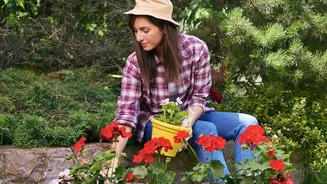
One of the most effective ways to combat these risks is through strategic pruning. Thinning out dense branches and removing dead or diseased leaves and stems significantly improves air circulation and allows sunlight to penetrate the plant's interior. This helps leaves dry faster after a rain, making it harder for fungal spores to take hold. Regular pruning not only prevents wild, overgrown shapes but also encourages healthy new growth and better flowering. Always use clean, sharp shears to make smooth cuts, which helps prevent introducing infections.
Smart Spacing and Watering
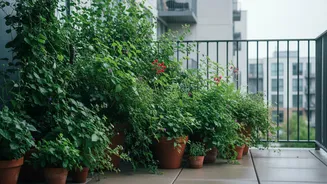
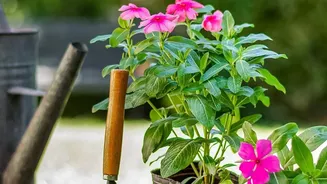
Prevention starts from the ground up. Ensure your pots have adequate drainage holes to prevent waterlogging. If possible, elevate pots on bricks or stands to help excess water drain away freely. Spacing your plants properly is also crucial; avoid overcrowding to ensure good airflow between them. During the monsoon, you must adjust your watering schedule. The soil stays wet for longer, so always check the top inch of soil before watering again. When you do water, aim for the base of the plant in the morning to avoid wetting the foliage, which can encourage fungal growth overnight.
Effective and Safe Treatments
If you spot signs of pests or disease, act quickly. For many common issues, organic solutions are very effective. A spray made from neem oil, a mild liquid soap, and water can tackle both fungal problems and pests like aphids and mealybugs. A baking soda solution can help manage powdery mildew. For snails and slugs, you can create barriers with crushed eggshells or hand-pick them in the early morning. Regularly cleaning up fallen leaves and garden debris removes potential hiding spots for pests. If an infection is severe, you may need to use a targeted chemical fungicide, but always start with gentler methods first.