





Why Your Diet Matters in Monsoon
The rainy season, or Varsha Ritu, is a time when our digestive fire, known as 'agni' in Ayurveda, is considered to be at its weakest. The high humidity can slow down metabolism and make us more susceptible to water-borne and food-borne illnesses. This
is why traditional Indian wisdom emphasizes eating warm, light, and freshly cooked meals. Avoiding heavy, oily, and street food becomes crucial, as these can burden the digestive system and increase the risk of infections. A thoughtful diet can boost immunity, aid digestion, and keep you energetic throughout the season.
The Power Trio: Ginger, Garlic, and Turmeric
This trio is the cornerstone of a healthy monsoon kitchen. Ginger is celebrated for its ability to aid digestion and soothe an upset stomach. Its active compound, gingerol, has potent antioxidant properties that help reduce inflammation. Garlic is a natural immunity booster, containing allicin, which has powerful antibacterial and antiviral effects that help fight off common monsoon infections like colds and flu. Turmeric, with its active ingredient curcumin, is a powerful anti-inflammatory and antioxidant spice. A daily dose, perhaps in warm milk ('haldi doodh'), can significantly strengthen your body's defences. For maximum benefit, always pair turmeric with a pinch of black pepper to improve curcumin absorption.
Embrace Bitter and Light Vegetables
While not always a favourite, bitter vegetables like bitter gourd (karela), neem, and fenugreek (methi) are highly recommended during the monsoon. Their bitter compounds are known to have natural antimicrobial properties and support liver function, which is vital for detoxification. Additionally, opt for easily digestible vegetables like bottle gourd (lauki), ridge gourd (torai), and pumpkin. It's best to consume them in cooked forms like soups, stews, or steamed preparations rather than raw salads, as cooked food is easier on the gut and reduces the risk of contamination.
Lighten Up with Moong Dal and Millets
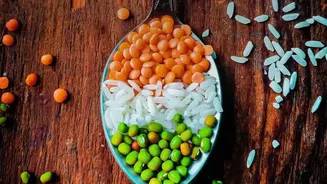
Heavy meals can be a struggle for a sluggish monsoon digestive system. Moong dal is one of the most easily digestible legumes, making it a perfect choice for this season. A warm bowl of khichdi made from moong dal and rice is a comforting, nutritious, and complete meal that is gentle on the stomach. Besides rice, incorporating millets like barley and jowar is also beneficial. These grains are packed with fibre and essential minerals, providing sustained energy without making you feel heavy or bloated.
Probiotics and Seasonal Fruits
Gut health is the foundation of good immunity. Including probiotics in your diet helps maintain a healthy balance of gut bacteria. Fresh, homemade curd (yoghurt) or buttermilk (chaas) are excellent sources of probiotics. It's generally advised to consume them during the daytime. When it comes to fruits, choose seasonal varieties like jamun, pomegranate, pears, plums, and apples. These are packed with vitamins and antioxidants that bolster your immune system. It is wise to avoid very watery fruits like watermelon, which can weaken digestion during this season.
Hydration with a Warm Twist
While it's raining outside, it's easy to forget to drink enough water, but hydration remains crucial. Instead of cold water, which can dampen the digestive fire, opt for boiled, warm water throughout the day. Herbal teas made with ingredients like ginger, tulsi, cinnamon, and black pepper are excellent choices. A simple 'kadha' made by boiling these spices in water can work wonders for soothing a sore throat and keeping respiratory infections at bay.