




Getting Started: Pots, Soil, and Sun
Before you begin, gather your supplies. You'll need small to medium-sized pots (at least 6-8 inches deep) with drainage holes at the bottom to prevent water from stagnating, which can cause root rot. For soil, a standard, well-draining potting mix from any
garden store is ideal. Avoid using heavy garden soil, as it compacts easily in pots and can harm the roots. Most importantly, identify your sunniest windowsill. An east-facing spot that gets gentle morning sun is perfect, but a south-facing window that provides at least 4-6 hours of light daily also works well for these herbs.
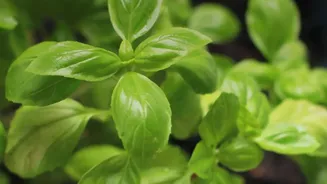
Growing Tulsi (Holy Basil): The Sacred Herb
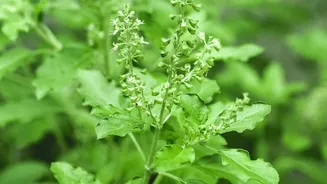
Tulsi, or Holy Basil, is a hardy plant that loves warmth and sunlight. It needs at least 6 to 8 hours of bright, direct sunlight each day to thrive. You can grow Tulsi from seeds or from a cutting. To grow from seeds, sprinkle them on top of moist soil and gently press them in. Keep the soil consistently moist but not waterlogged by misting it daily. Seeds should sprout in about 7 to 14 days. To grow from a cutting, take a 4-6 inch stem from a healthy plant, place it in a glass of water on a sunny windowsill, and wait for roots to appear in about two weeks before planting it in soil. Prune your Tulsi plant regularly by pinching off the top sets of leaves to encourage it to grow bushier and fuller. Also, be sure to remove any flowering buds (manjari) as they appear, as this will direct the plant's energy into producing more leaves.
Cultivating Mint (Pudina): The Prolific Grower
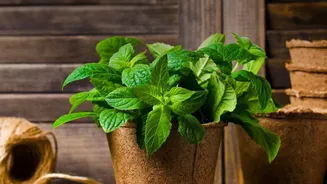
Mint is an incredibly easy and rewarding herb to grow, but it is known for being an aggressive spreader. Keeping it in a pot is the perfect way to contain it. Mint is not as demanding about sunlight as Tulsi and can do well in a spot with bright, indirect light or partial sun. It prefers soil that is consistently moist, so check it regularly and water when the top inch feels dry. Mint is very easy to propagate from cuttings. Simply take a cutting from a healthy plant and place it in a glass of water. Roots will form in about a week, after which you can plant it in a pot with fresh soil. Harvest your mint frequently by snipping off stems. This will encourage the plant to branch out and produce even more leaves for your chutneys and teas.
Planting Coriander (Dhania): The Cool-Weather Staple
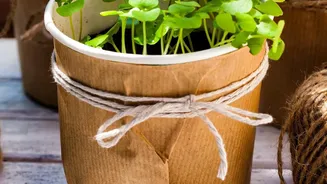
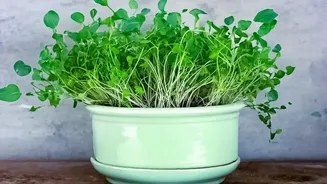
Coriander, known for its fresh leaves (dhania or cilantro) and aromatic seeds, prefers cooler weather. An ideal temperature for it is between 17°C and 27°C. It's best to grow coriander directly from seeds in the pot where it will live, as it doesn't like having its roots disturbed. For better germination, you can gently crush the whole coriander seeds into two halves or soak them in water overnight before planting. Sow the seeds about half an inch deep and keep the soil moist. The plant needs at least 4-6 hours of sun but can benefit from some shade during the hottest part of the day to prevent 'bolting'—where the plant flowers prematurely, which stops leaf production. You can start harvesting leaves in about 4-6 weeks by snipping the outer stems, allowing the inner leaves to continue growing.
Care and Harvesting for a Bountiful Garden
The key to a successful windowsill garden is consistent care. Check the soil moisture every day or two by touch. Water your plants when the top inch of soil feels dry, and always let the excess water drain out. To harvest, use a pair of scissors to snip off what you need. For Tulsi and Mint, regular harvesting encourages bushier growth. For Coriander, harvesting the outer leaves extends the plant's life. With a little attention, your windowsill will provide you with a fresh, fragrant, and flavourful supply of herbs right in your own kitchen.