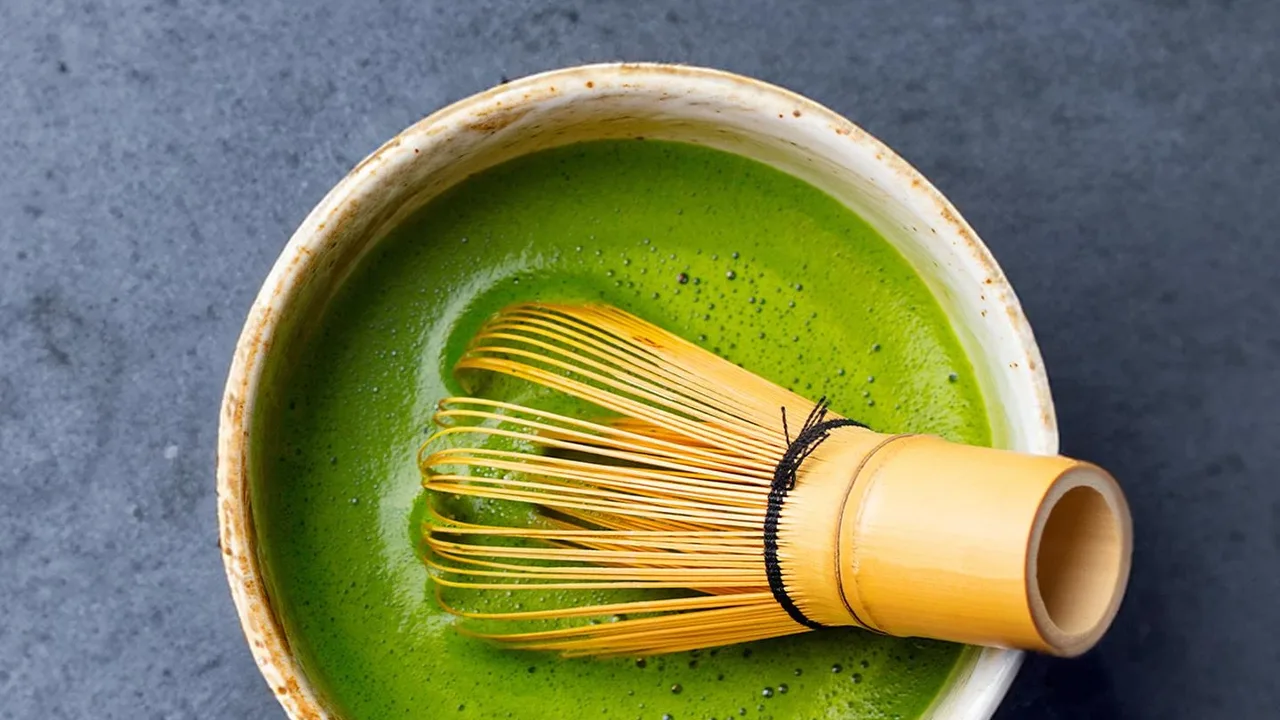






What Exactly Is This Green Powder?
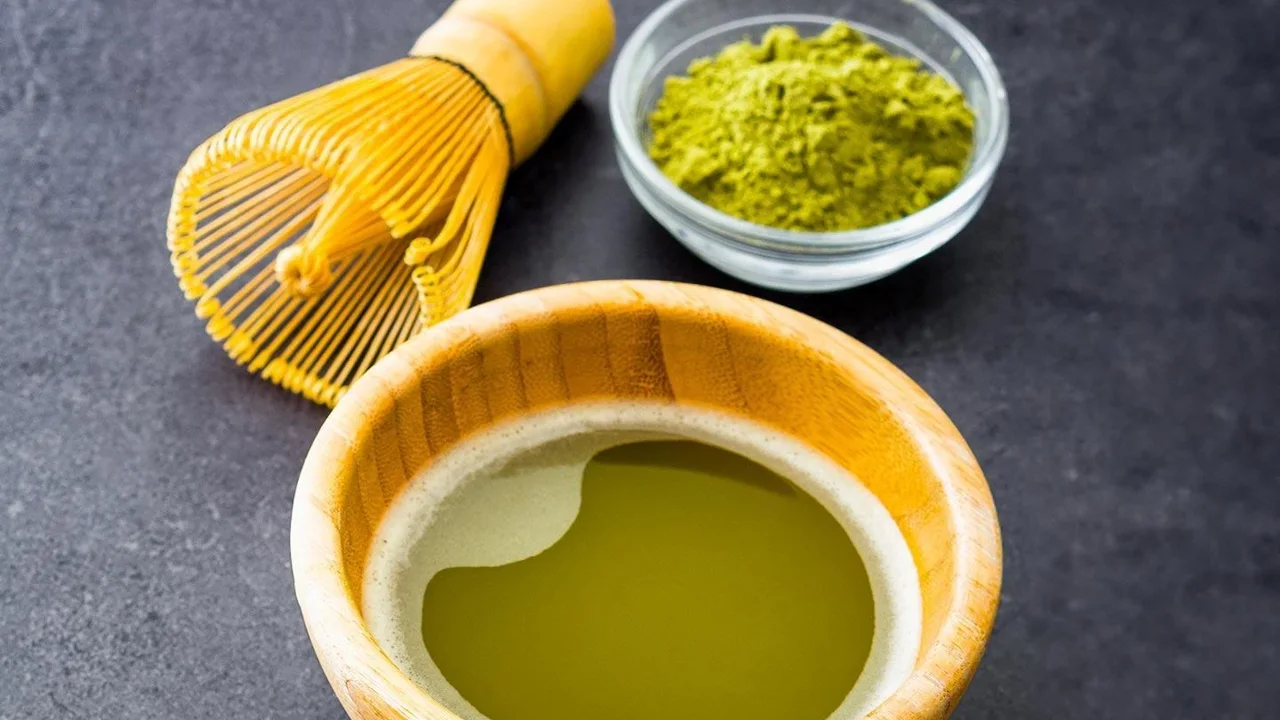
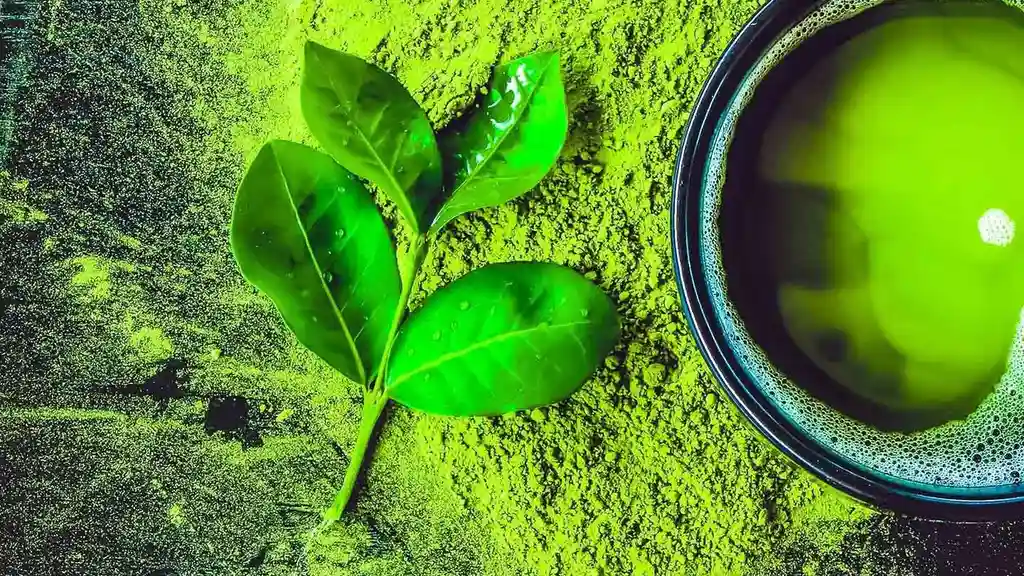
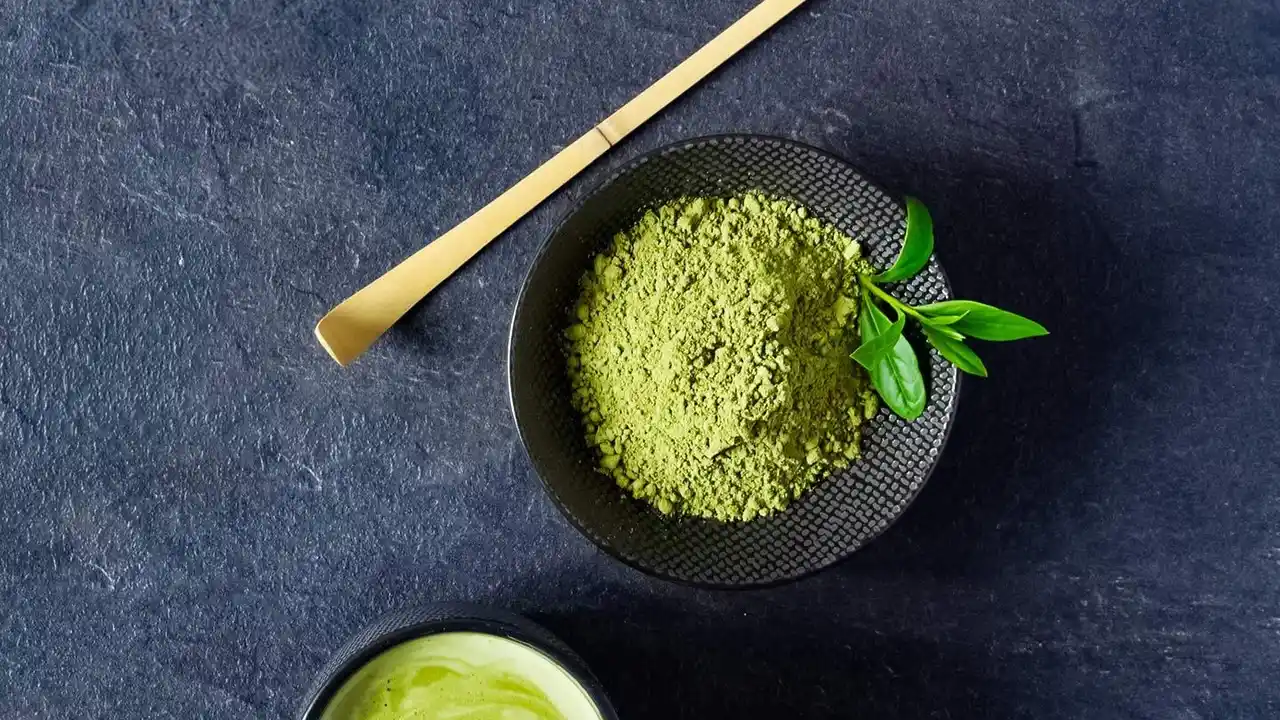
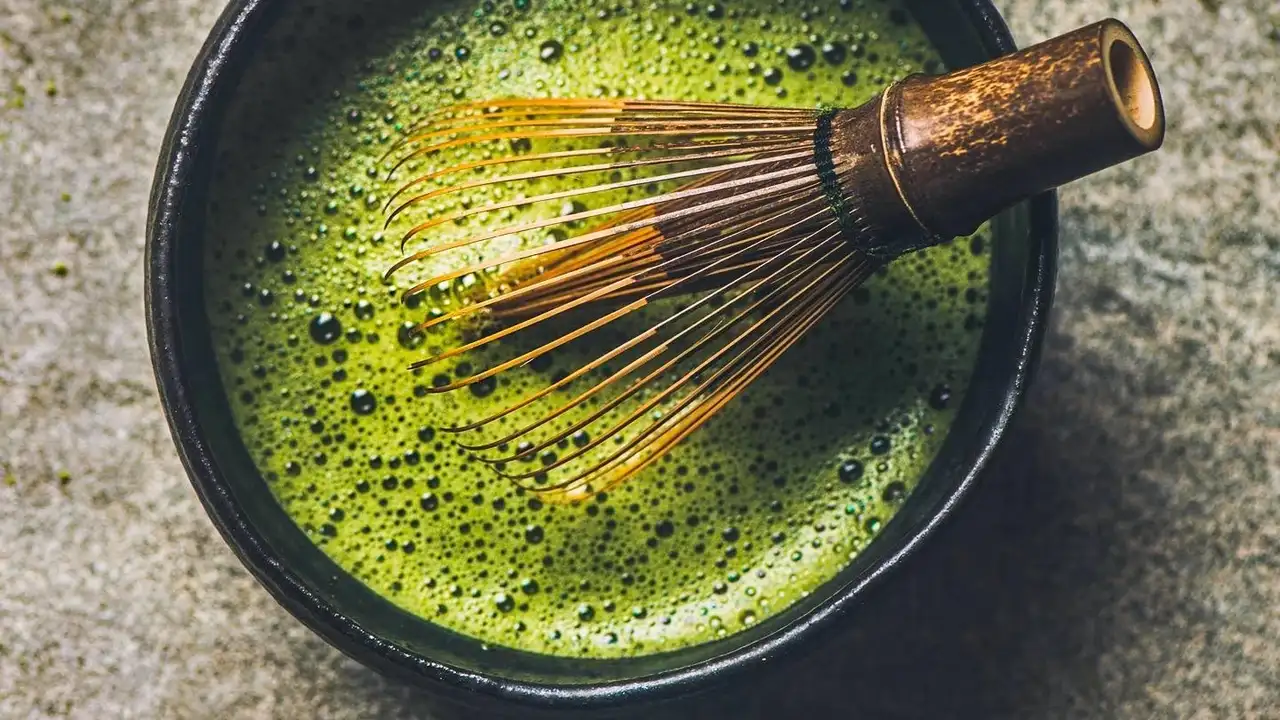
Matcha is not just any green tea. Its origins trace back to 12th-century Japan, where it was introduced by a monk returning from China. Unlike regular green tea where you steep and discard the leaves, matcha is a fine powder made from specially shade-grown
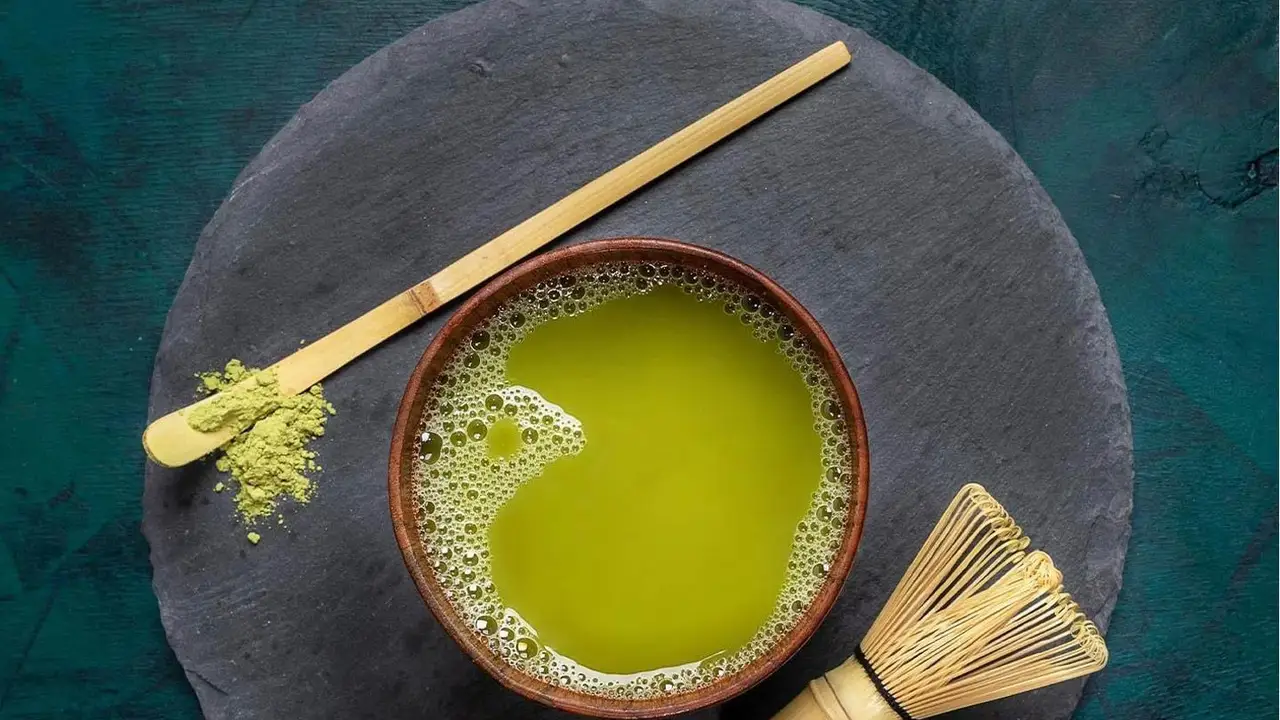
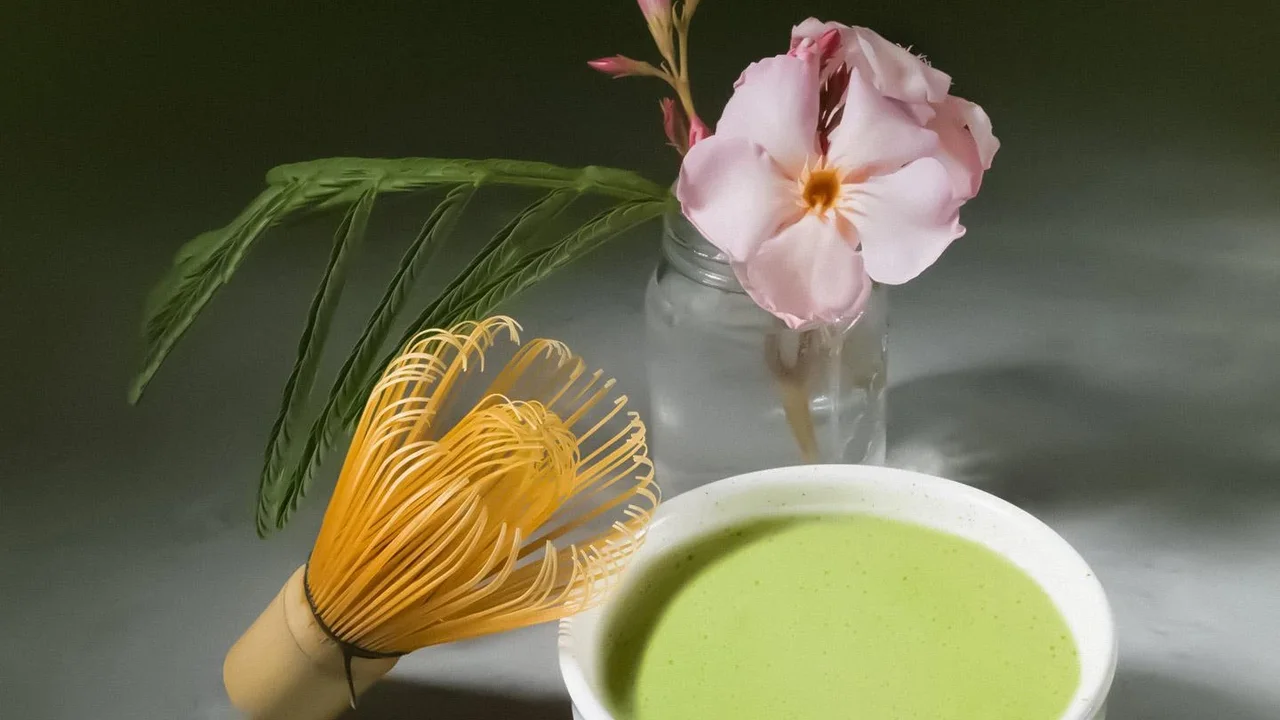
tea leaves that are stone-ground. This means when you consume matcha, you are consuming the entire leaf, unlocking a more potent concentration of nutrients. This unique preparation method is central to its role in the traditional Japanese tea ceremony, known as 'chanoyu', a highly ritualised practice embodying principles of harmony and tranquility.
A Wellness Boost in Every Sip
Much of matcha's popularity is tied to its perceived health benefits. It is packed with antioxidants, particularly a catechin called EGCG, which is studied for its ability to protect cells from damage. But the real star is the combination of caffeine and an amino acid called L-theanine. While the caffeine provides energy, L-theanine promotes a sense of calm and focus. This unique pairing results in what many describe as a state of 'calm alertness', providing a sustained energy boost without the jitteriness or crash often associated with coffee. This makes it an appealing alternative for young urban consumers navigating busy lives.
From Sacred Ritual to Social Media Star
For centuries, matcha remained within the quiet confines of Japanese tea rooms. Its global journey, especially in India, is a recent phenomenon. The drink's visual appeal—that striking green colour—makes it perfect for social media. Urban consumers, exposed to global food trends online, have driven its popularity. It began appearing on the menus of specialty coffee shops around 2021-2022, positioned as a 'craft beverage'. Today, India's matcha market is one of the fastest-growing specialty beverage categories in the country, with a growth rate nearly double that of the broader tea market.
The 'Everything' Trend: Beyond the Latte
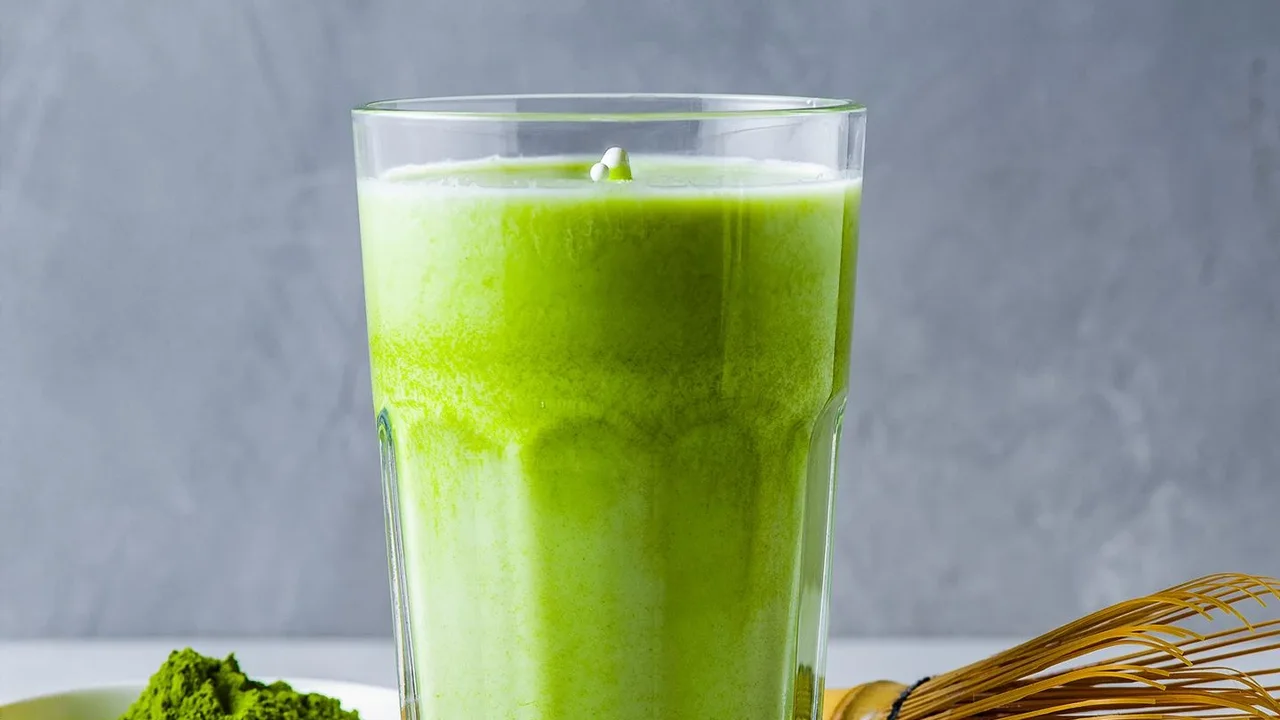
While the matcha latte is its most common form, the powder's versatility is fueling the 'matcha everything' trend. In India, it has moved far beyond drinks. You can find it in creamy cheesecakes, ice creams, cookies, and croissants. The culinary experimentation doesn't stop at sweets. More adventurous chefs and food bloggers are incorporating it into savoury dishes and traditional Indian foods, leading to creations like matcha jalebi and even matcha biryani, which have sparked both curiosity and debate among food lovers. This fusion reflects a broader culinary shift where global ingredients are being adapted into local comfort foods.
Know Your Matcha: Ceremonial vs. Culinary
As you explore the world of matcha, you'll notice different 'grades'. The two main categories are ceremonial and culinary. Ceremonial grade is the highest quality, made from the youngest tea leaves, and possesses a fine texture and a delicate, sweet flavour. It is intended for drinking on its own, prepared simply with hot water. Culinary grade, on the other hand, is made from older leaves, giving it a more robust and slightly bitter flavour that stands up well when mixed with other ingredients. This is the grade used for lattes, baking, and cooking. As Indian consumers become more educated, many cafes have started highlighting the grade and origin of their matcha.