

The Unhealthy Truth About Syrups
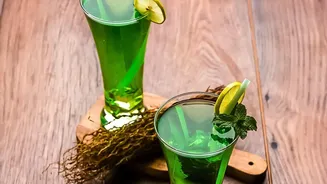
Those vibrant bottles of rose, khus, or fruit-flavoured syrups that line our shelves often promise refreshment but deliver a deluge of sugar. A single serving can contain a staggering amount of added sugars, sometimes equivalent to several teaspoons.
These are often in the form of high-fructose corn syrup, which has been linked to various health concerns, including weight gain and metabolic issues, when consumed in excess. Beyond the sugar, many commercial syrups contain artificial colours, flavours, and preservatives, offering little to no nutritional value. Essentially, they provide 'empty calories' that can contribute to a spike in blood sugar levels without any of the beneficial vitamins, minerals, or compounds found in natural ingredients. While they offer a quick burst of sweetness, their long-term health impact is a significant trade-off.
Lemongrass: The Fragrant Powerhouse
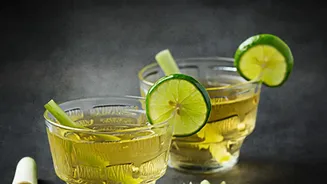
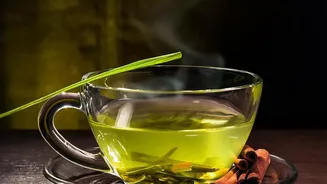
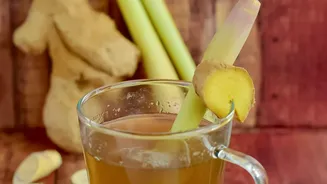
Enter lemongrass, a humble, stalky plant that is a cornerstone of traditional medicine and cuisine across Asia. Far from being just a flavouring agent, lemongrass is a nutritional workhorse. It is rich in flavonoids and phenolic compounds, which act as powerful antioxidants, helping to protect our cells from damage. Research has highlighted its anti-inflammatory, antibacterial, and antifungal properties. The main compound, citral, is known for its anti-inflammatory effects, which can help soothe the body. Traditionally used to aid digestion, reduce fever, and relieve stress, a cold tea infused with lemongrass does more than just quench your thirst—it actively supports your well-being. It contains essential minerals like iron and vitamin C, all with virtually zero sugar or calories when brewed on its own.
A Garden of Cooling Herbs
The wisdom of using botanicals to cool the body extends far beyond lemongrass. Ayurveda, the ancient Indian science of life, has long championed herbs that help pacify 'Pitta' or the fire element in the body, especially during hot weather. Mint (pudina) is a classic example, celebrated for its ability to soothe digestion and provide an instant cooling sensation. Holy Basil (tulsi), revered in Indian households, is another powerful adaptogen that helps the body manage stress while offering its own unique, peppery flavour. Vetiver (khus), with its earthy aroma, is traditionally used to make sharbats and is known for its ability to calm the nerves and cool the body from within. Other readily available ingredients like coriander seeds, fennel seeds, and rose petals can also be infused into water to create drinks that are not only refreshing but also packed with health benefits, from aiding digestion to reducing inflammation.
Brewing Your Own Botanical Bliss
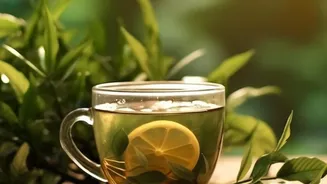
Making your own botanical cold tea is incredibly simple and allows you to control the ingredients and sweetness. For a basic lemongrass tea, take a few stalks, bruise them with the back of a knife to release their aromatic oils, and drop them into boiling water. Let them simmer for about 10-15 minutes before switching off the heat. You can add other herbs like mint or a knob of ginger during the simmer for extra flavour and benefits. Once the infusion has cooled, strain it and refrigerate. If you prefer a touch of sweetness, a small amount of honey or jaggery is a much healthier choice than refined sugar. You can prepare a large batch and keep it in the fridge for a few days, ensuring you always have a healthy, hydrating, and delicious drink on hand.