







What Exactly Is El Niño?
El Niño is a naturally occurring climate phenomenon characterized by the unusual warming of surface waters in the central and eastern Pacific Ocean. This oceanic heat might seem distant, but it alters atmospheric circulation patterns globally. It typically
occurs every two to seven years and can last for many months, influencing weather worldwide. This year's event, which began developing in June 2026, has already been classified as "very strong"—or a 'super' El Niño—with forecasts suggesting it could be one of the most intense on record and will likely persist into early 2027.
The Critical Monsoon Connection
For India, El Niño's most significant impact is its strong correlation with a weaker summer monsoon. The southwest monsoon, which provides about 70-75% of the country's annual rainfall, is the lifeline for Indian agriculture. El Niño events tend to suppress this rainfall. Already, the 2026 monsoon season is running a significant deficit, with rainfall across India about 15% below average as of mid-September. This shortfall is directly linked to the strengthening El Niño conditions in the Pacific, setting the stage for potential agricultural distress.
Pressure on the Farm
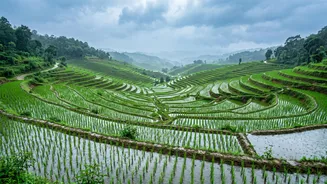
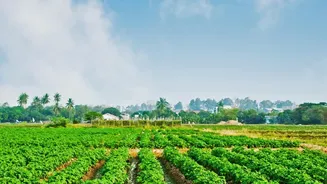
Farmers are on the front lines of this climate disruption. A deficient monsoon directly impacts the Kharif (summer) crops, which are heavily rain-dependent. Key crops like rice, maize, pulses, cotton, and oilseeds are particularly vulnerable to delayed or insufficient rainfall, which can reduce soil moisture, delay sowing, and ultimately slash yields. The impact of the erratic 2026 monsoon is already visible, with plantings of major crops like rice and corn trailing last year's levels. A poor Kharif harvest not only reduces a farmer's income for the season but also has a knock-on effect. Depleted water levels in major reservoirs threaten the subsequent Rabi (winter) crop, which relies on this stored water for irrigation.
Which Crops Are Most Vulnerable?
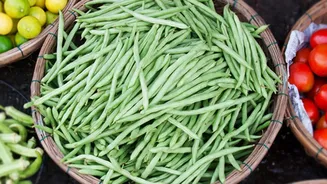
The impact isn't uniform across all crops. Rain-fed crops with limited irrigation cover are the most exposed. Rice, India's main food staple, is a primary concern, as are pulses, which are a critical source of protein. USDA estimates for the 2026/27 season have already lowered India's corn production forecast due to the weak monsoon, which affects both the food supply and the animal feed industry. Sugarcane output has also been affected, with a weak harvest contributing to a sharp rise in sugar prices. This widespread impact on essential food grains, vegetables, and cash crops creates a supply squeeze that inevitably moves from the farm to the marketplace.
The Ripple Effect on Consumer Pockets
For the average consumer, the consequences of a poor monsoon arrive at the local market in the form of higher prices. Reduced agricultural output leads to tighter supplies, which in turn drives up food inflation. This isn't a future possibility; it's already happening. Food inflation has been on the rise, and prices for staples like sugar and some vegetables have climbed sharply. Economists estimate that even a small percentage point shortfall in monsoon rainfall can have a measurable upward effect on food inflation. This directly impacts household budgets, eroding the purchasing power of families, particularly those in lower-income brackets for whom food constitutes a large portion of their monthly expenses.