





Skipping Your Skin Prep
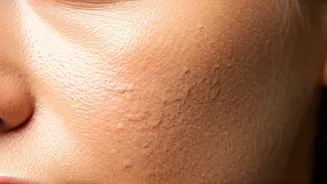
One of the most frequent reasons makeup fades or separates is that the skin underneath isn't properly prepared. Think of your skin as a canvas; without a smooth, hydrated base, your foundation has nothing to grip onto. Dry skin will absorb the moisture
from your foundation, leading to patchiness, while excess oil can cause makeup to slide right off. The solution is a consistent routine: cleanse your face, then apply a moisturizer that suits your skin type. Let it absorb fully before moving on to the next step. This simple act of hydration creates a barrier and prevents your skin from stealing moisture from your makeup throughout the day.
Forgetting to Use a Primer
After moisturizing, many people jump straight to foundation, missing a crucial step for longevity: primer. A primer acts as a bridge between your skincare and your makeup. It smooths the skin's texture, fills in fine lines, and minimizes the appearance of pores, creating an even surface for application. More importantly, it gives your foundation something to adhere to, significantly extending its wear time. Whether you need a mattifying primer for an oily T-zone or a hydrating one for dry patches, selecting the right formula for your skin type can make a world of difference in how your makeup looks and lasts.
Applying Too Much Product
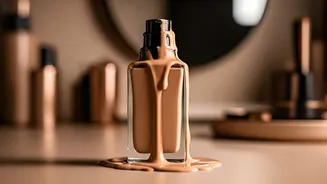
When it comes to foundation and concealer, the 'less is more' approach is almost always better. A heavy-handed application is a primary culprit behind a cakey, unnatural finish. Applying too much product at once creates a thick layer that's prone to creasing, settling into fine lines, and separating as your skin produces natural oils. Instead of piling on a thick coat, start with a small amount of foundation and apply it in thin layers, building coverage only where you need it. A damp makeup sponge can help sheer out the product for a more natural, skin-like finish.
Using Powder Incorrectly
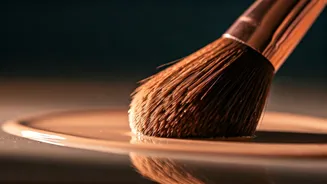
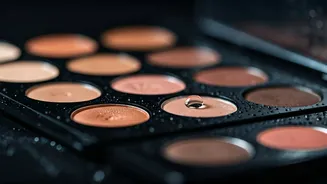
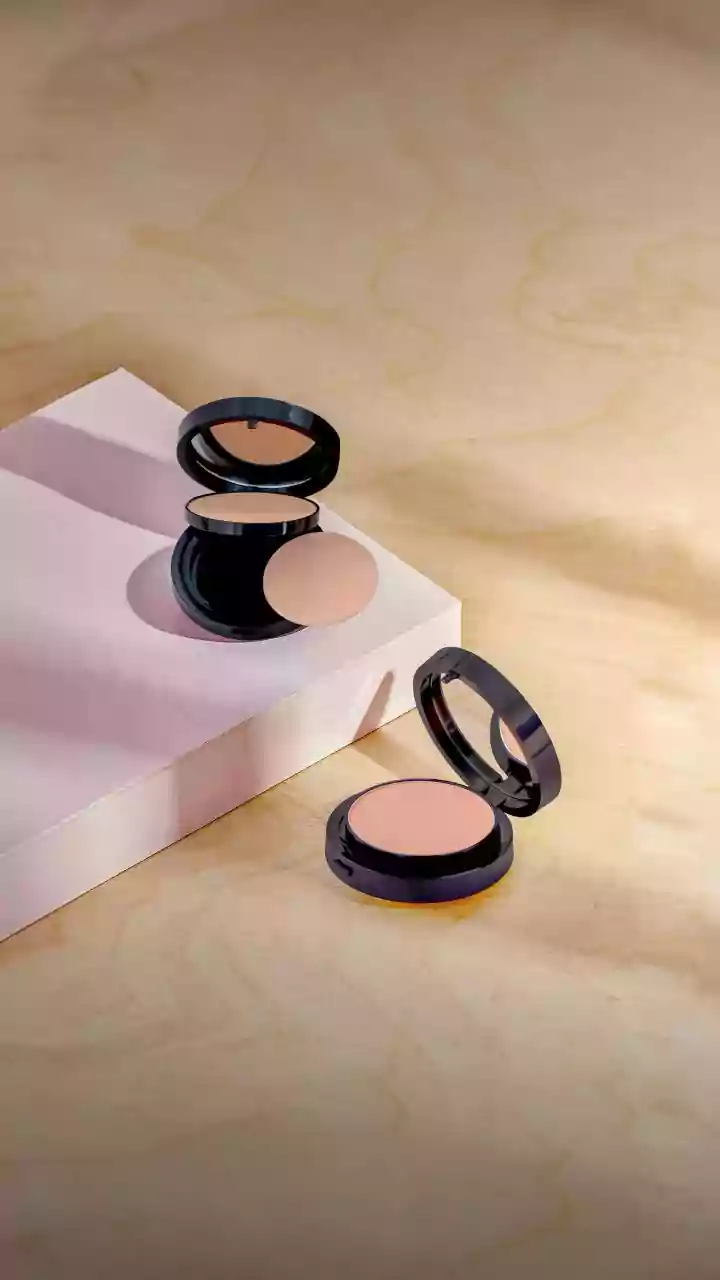
Setting powder is essential for locking makeup in place, but using it incorrectly can backfire. Dusting a thick layer of powder all over your face can absorb too much moisture, leaving your skin looking dry, flat, and accentuating texture. Instead of a one-size-fits-all approach, apply powder strategically. Use a fluffy brush or a powder puff to lightly press a translucent powder onto the areas that tend to get oily, like the T-zone (forehead, nose, and chin). This targeted application controls shine where needed without dulling the natural radiance of the rest of your face, preserving a fresh, dimensional look.
Missing the Final Setting Step
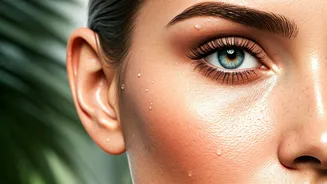
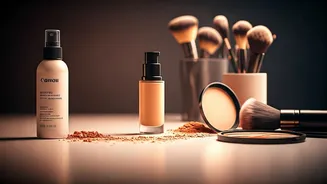
You’ve prepped, primed, and perfected your base, but there’s one final error to avoid: skipping a setting spray. A quality setting spray is the final step that melts all the layers of makeup—creams, liquids, and powders—together into a cohesive, seamless finish. It removes any powdery or heavy look and helps 'lock' everything in place, making it resistant to heat, humidity, and daily wear. A few spritzes can revitalize your skin, add a touch of hydration, and ensure your makeup remains as fresh as when you first applied it for hours on end.