
Witness the Athachamayam Parade
Kickstart your Onam celebrations just as the locals do at the Athachamayam, a grand procession in the historical town of Tripunithura, near Kochi. This dazzling parade marks the official beginning of the ten-day festival. Historically, it traces the journey
of the Maharaja of Cochin, who would march with his full entourage to greet his subjects. Today, the streets come alive with caparisoned elephants, colourful floats depicting myths and legends, and troupes performing nearly every form of Keralan folk art. You'll see Kathakali dancers, Mohiniyattam performers, and percussion ensembles creating an electrifying atmosphere that embodies the state's rich cultural fabric and communal harmony. The parade signals that Onam has truly arrived.
Feel the Rush of the Aranmula Snake Boat Race
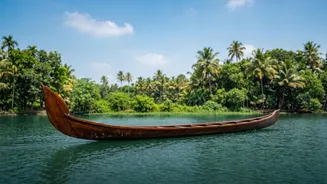
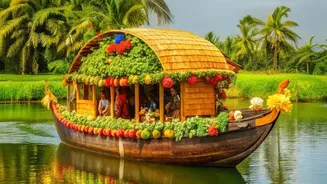
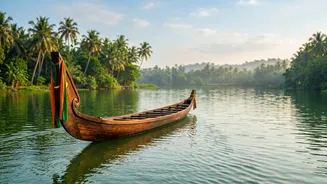
The Aranmula Uthrittathi Vallamkali is not just a race; it is a sacred ritual. Held on the Pamba River, this event is one of Kerala's oldest and most revered boat festivals. Unlike more commercial races, the Aranmula event is a ceremonial offering to Lord Krishna of the Sree Parthasarathy Temple. Witness dozens of massive 'Palliyodams'—snake boats believed to be divine vessels—gliding in unison, rowed by over 100 men singing traditional 'Vanchipattu' or boat songs. The boats themselves are marvels of craftsmanship, with towering prows that resemble a serpent's raised hood. The energy of the chanting, the synchronised rowing, and the devotion of the participants create a powerful spectacle that is more about rhythm and unity than winning a prize.
Unleash Your Wild Side at Pulikali
On the fourth day of Onam, the streets of Thrissur's Swaraj Round transform into a wild stage for the Pulikali, or 'Tiger Dance'. This folk art form, which dates back over 200 years, is one of Kerala's most theatrical and entertaining traditions. Hundreds of performers, their bodies meticulously painted with bright yellow, red, and black stripes to resemble tigers and hunters, dance through the streets to the thunderous beat of traditional percussion instruments. The process of painting can take hours, a testament to the dedication of the artists. The performance is a vibrant, slightly chaotic, and utterly unforgettable display of raw energy and festive spirit that draws massive crowds of cheering spectators.
Indulge in an Authentic Onam Sadya
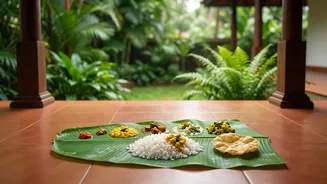
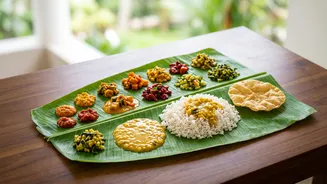
No Onam experience is complete without partaking in the Onam Sadya, a grand vegetarian feast that is the culinary soul of the festival. Served on a fresh banana leaf, a sadya can feature anywhere from 20 to over 30 dishes, each with a specific place and purpose. The meal is a perfectly balanced symphony of flavours—sweet, sour, salty, and spicy—designed to be eaten in a particular sequence. Key dishes include 'avial' (mixed vegetables in coconut), 'sambar', 'rasam', various pickles, crispy 'pappadam', and of course, rice. The feast traditionally concludes with 'payasam', a sweet dessert. While many hotels offer a sadya, for a truly authentic experience, consider a homestay or a local eatery to savour this meal of abundance.
Admire the Artistry of Pookalam
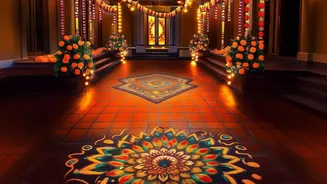
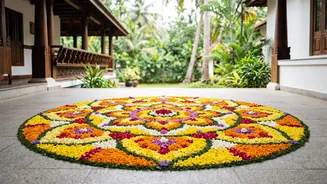
The 'Pookalam', an intricate floral carpet, is the most ubiquitous symbol of Onam, created at the entrance of homes and public spaces to welcome the spirit of the mythical King Mahabali. While you will see these beautiful creations everywhere, many towns and organisations hold large-scale Pookalam competitions that showcase incredible creativity and skill. These events elevate the tradition into a serious art form, with teams spending hours meticulously arranging petals and leaves into vast, complex designs. Visiting a competition, like the one recently announced for local bodies in Kozhikode, offers a chance to see the most stunning and ambitious Pookalams, which often feature traditional motifs and vibrant colours. It's a visual celebration of nature, artistry, and community spirit.