



The Golden Rule: From Heavy to Light
The core principle behind superior salad construction is surprisingly simple: build your salad from the heaviest, most durable ingredients at the bottom to the lightest, most delicate ones on top. This method, popularised by the 'Mason jar salad' trend,
is rooted in basic physics and food science. Heavy and wet ingredients, if placed on top, will compress and wilt the delicate greens below. By creating a sturdy foundation, you protect the integrity of each component, ensuring every bite is as the chef intended: full of varied texture and fresh flavour.
Layer 1: The Dressing and Hard Vegetables
Start at the very bottom with your dressing. This quarantines the oil and acid, the main culprits behind soggy greens. Directly on top of the dressing, add your heaviest and least absorbent ingredients. These are typically hard, crunchy vegetables like chopped carrots, cucumbers, bell peppers, celery, or red onions. These items can withstand being submerged in dressing; in fact, they can benefit from a little extra time to marinate, picking up flavour without losing their structural integrity. Some chefs, like Gordon Ramsay, suggest deseeding cucumbers to minimise water release.
Layer 2: Grains, Beans, and Proteins
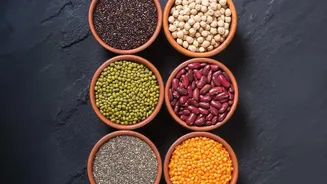
Next come the 'body' ingredients, which add substance and turn your salad into a satisfying meal. This layer includes cooked grains like quinoa, farro, or barley, as well as legumes like chickpeas and black beans. These ingredients are dense enough to form a solid layer and can absorb any extra moisture from surrounding components. This is also the ideal place for your proteins. Cubed chicken, steak, hard-boiled eggs, or baked tofu should go here. They are heavy enough to stay put and are separated from both the wet dressing below and the delicate greens above.
Layer 3: Softer Fruits and Vegetables
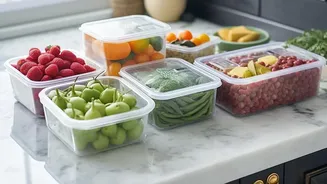
This middle ground is for ingredients that are lighter than the base but still have more heft and moisture than leafy greens. Think of things like cherry tomatoes, corn, roasted vegetables, avocado, or soft fruits like berries and orange segments. Placing them here keeps them from getting crushed by heavier proteins while also preventing them from releasing their moisture directly onto the greens. It's a protective buffer zone that ensures everything stays distinct.
Layer 4: The Delicate Greens
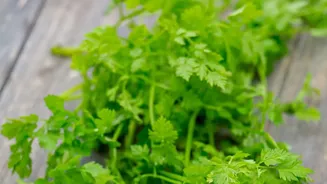
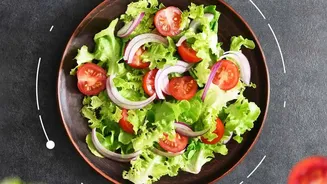
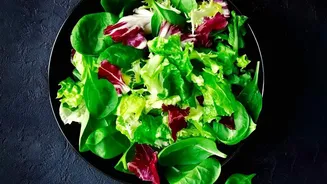
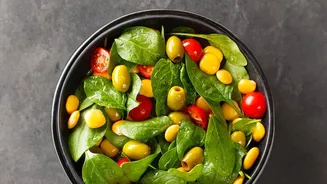
The final frontier of your salad bowl is reserved for the most fragile component: the leafy greens. Whether you prefer sturdy romaine, spicy arugula, or tender spinach, this is their moment to shine. Placed at the very top, they are shielded from the weight and moisture of all the other ingredients, guaranteeing they remain crisp and fresh until the moment of serving. It is crucial that greens are as dry as possible before being added; a salad spinner is your best friend in this mission.
The Final Garnish: Ready for Tossing
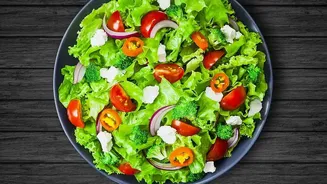
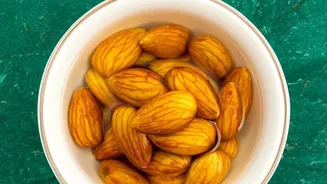
Just before you toss and serve, add your final garnishes. This includes anything you want to remain extra crunchy or that might get lost if mixed in too early. Toasted nuts, seeds, croutons, fresh herbs, and crumbly cheeses like feta or goat cheese belong here. When you're ready to eat, simply shake your jar or tip the contents of your bowl onto a plate. This action naturally coats everything with the dressing from the bottom up, creating a perfectly mixed, texturally diverse, and delicious salad every single time.