





A Global Power Surge
According to the IEA's latest outlook, global electricity consumption from data centres is projected to more than double by 2030, soaring from around 460 terawatt-hours (TWh) in 2024 to over 1,000 TWh. To put that in perspective, the projected increase
is more than the entire annual electricity consumption of Great Britain. This surge means data centres will account for approximately 3% of the world's total electricity demand by the end of the decade. While that may seem like a small portion of the global total, the growth is intensely concentrated in specific locations, placing unprecedented strain on local power grids and supply chains.
The AI Acceleration Effect
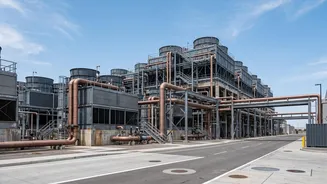
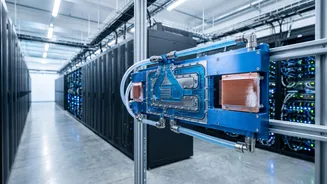
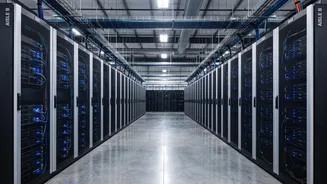
The single biggest driver behind this forecast is the relentless advance of Artificial Intelligence. AI workloads, particularly for training large language models and serving real-time inference queries, are vastly more power-intensive than traditional computing tasks. Servers equipped with specialised Graphics Processing Units (GPUs) for AI can consume 10 to 50 times more power per rack than conventional servers. The IEA estimates that these accelerated servers, which are essential for AI, will account for nearly half of the total increase in data centre electricity use through 2030. This computational arms race is forcing the construction of new, high-density 'AI factories' that require a constant and massive supply of power and advanced cooling systems, which themselves can account for 30-40% of a facility's total energy use.
The Infrastructure Imperative
Meeting this demand requires more than just building new power plants; it necessitates a colossal investment in infrastructure. This includes high-capacity transmission corridors, new substations, and robust grid-balancing services. Globally, this build-out will rely on a mix of energy sources. The IEA projects that renewables will meet nearly half of the new demand, but fossil fuels like natural gas and coal are expected to fill a significant portion of the gap, especially in the near term. This has led the agency to warn that carbon emissions from the data centre sector could jump by 70% by 2030, as countries like the US and China lean on fossil fuels to power their AI ambitions.
India's High-Stakes Challenge
For India, this global trend presents both a monumental challenge and a significant opportunity. The country's data centre capacity is already on a steep growth trajectory, with projections showing it could expand from just over 1 GW today to as much as 10 GW by 2030, backed by over $200 billion in investments. Gartner forecasts that spending on data centre systems in India will surge by nearly 28.4% in 2027 alone, driven by hyperscalers and cloud providers expanding to meet AI demand. However, this rapid growth is straining the country's power infrastructure. A recent study found that 79% of Indian operators see access to power and grid capacity as a major limiter to expansion, with waits for new connections averaging 13 months. Furthermore, only 23% of operators believe their existing electrical systems are fully prepared for the high-density computing that AI requires. To support its 'Digital India' and AI hub ambitions, the nation will need a dedicated strategy to integrate this new digital infrastructure with energy planning, including upgrading grid codes and accelerating the development of reliable, low-carbon power sources.