




Plant a Nectar-Rich Buffet
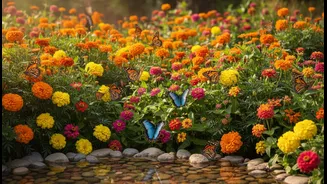
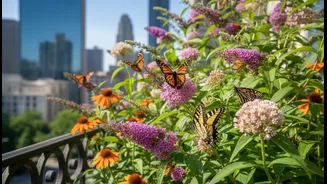
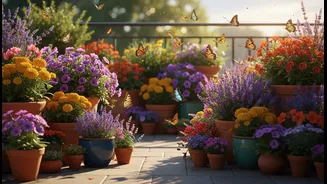
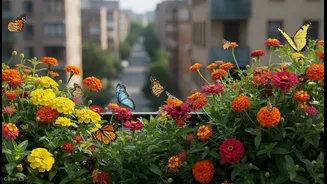
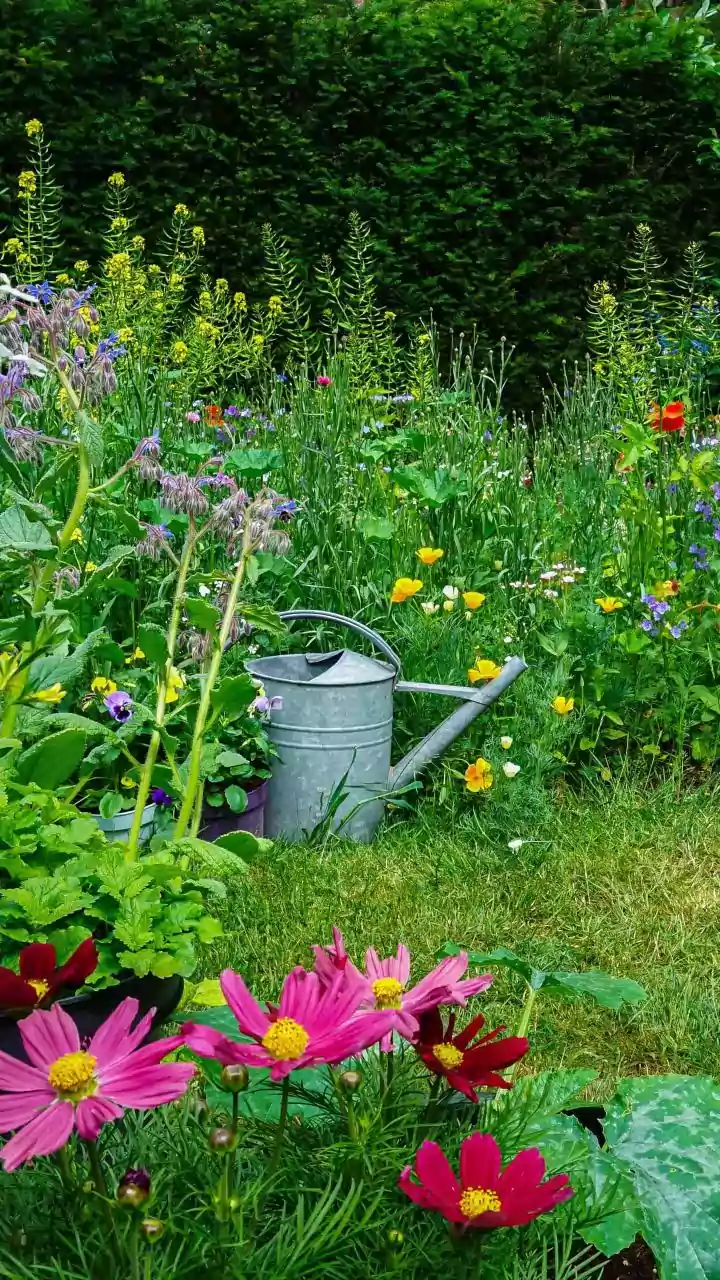
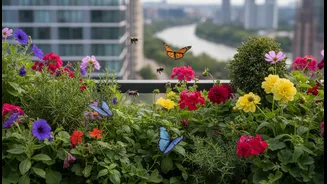
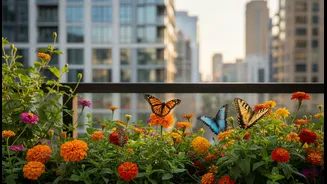
Adult butterflies feed on nectar, and planting a variety of flowers that bloom at different times will provide them with a continuous food source. Brightly coloured flowers act like a welcome sign. In India, popular choices that are easy to grow include
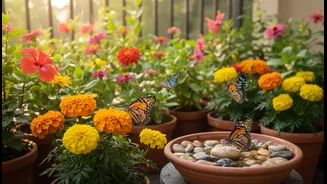
Marigold (Genda), Ixora, Lantana, Pentas, and Hibiscus. Grouping these plants together in clusters makes them more attractive to passing butterflies than single, scattered plants. Even a few pots of Tulsi (Holy Basil) on a sunny balcony can be a big draw, as their tiny flowers are a reliable source of nectar. Choosing a mix of these will create a vibrant, year-round feast.
Provide Food for the Young
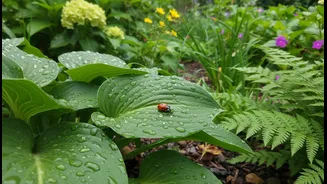
A truly butterfly-friendly garden supports their entire life cycle. This means planting not just nectar flowers for the adults, but also 'host plants' for their caterpillars. Different butterfly species are very particular about where they lay their eggs. For instance, the Lime Butterfly lays its eggs on citrus plants like lemon trees, while the Common Mormon prefers the curry leaf tree. Milkweed is another crucial host plant, especially for the Plain Tiger butterfly. Don't be alarmed if you see caterpillars munching on the leaves; it's a sure sign that your garden has become a successful nursery.
Go Organic and Ditch the Pesticides
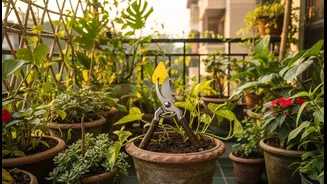
One of the most critical steps in creating a butterfly haven is to stop using chemical pesticides and herbicides. These chemicals are indiscriminate, killing beneficial insects like butterflies and their caterpillars along with pests. A garden that is friendly to butterflies must be a safe one. Instead, embrace organic pest control methods. A simple soap and water solution can tackle soft-bodied pests like aphids. A spray made from neem oil is also an effective and biodegradable option that, when used correctly, doesn't harm pollinators. Learning to tolerate a small amount of insect activity is part of creating a balanced, natural ecosystem.
Create a Butterfly Puddling Station
Butterflies, especially males, need more than just nectar. They require essential minerals and salts for reproduction, which they get from sipping on moist soil or sand—a behaviour known as 'puddling'. You can easily create a puddling station for them. Take a shallow dish or a terracotta saucer, fill it with sand, and add a few flat stones for them to perch on. Keep the sand consistently moist, but not flooded. You can occasionally add a small amount of compost or even overripe fruit to provide extra nutrients. Place it in a sunny, open spot in your garden or balcony where you can watch them congregate.
Offer Sunny Spots for Basking
Butterflies are cold-blooded insects and rely on the sun's warmth to power their flight muscles. You've likely seen them resting with their wings open, soaking up the heat. To help them, ensure your garden has sunny, open areas. Placing a few flat, dark-coloured stones in a spot that receives plenty of morning sunlight provides the perfect basking station. This allows them to warm up efficiently before they begin their day of flitting between flowers. It’s a simple addition that makes your space much more hospitable for them.
Provide Shelter from the Elements
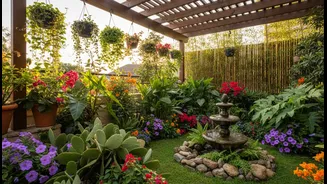
Just as they need sun, butterflies also need protection from strong winds, heavy rain, and predators. A well-designed garden offers natural shelters. Dense shrubs, a small log pile, or even a patch of tall grass can serve as a safe refuge for butterflies to rest and hide. If you have a larger garden, planting trees and shrubs around the perimeter can create a calmer, more sheltered microclimate. Even on a balcony, arranging taller plants behind smaller ones can help block the wind and create a more secure environment for these delicate insects.