




The Season's Delicious Bounty
The rainy season in India ushers in a unique variety of fruits that are perfectly adapted to the climate. These are not just tasty, but are also packed with nutrients that our bodies need during this time. Look for Jamun (Indian blackberry), a star of the season known
for its deep purple colour and sweet, tart flavour. It's rich in iron and Vitamin C, which helps combat the lethargy often felt during gloomy weather. Another favourite is the Pear (Nashpati), a fibre-rich fruit that aids digestion, a common concern during the monsoon. You'll also find markets filled with vibrant Plums (Aloo Bukhara), which are loaded with antioxidants, and Cherries, which contain melatonin that can help improve sleep quality on humid nights. Litchi and Peach (Aadu) also make a welcome appearance, offering a burst of sweetness and hydration.
Your Smart Shopping Checklist
Shopping for fruit during the monsoon requires a discerning eye. The high humidity can speed up spoilage, making it crucial to select the freshest produce. Always opt for whole fruits over pre-cut ones sold by street vendors. Exposed fruit can easily become contaminated with water-borne bacteria. When buying fruits like plums or peaches, check for firm skin that is free from bruises, soft spots, or mould. A fresh, pleasant aroma is another good indicator of quality, especially for fruits like peaches. For litchis, choose clusters that are still attached to the stem and have a vibrant reddish-pink colour. Avoid any produce with visible signs of decay or water damage, as this suggests they won't last long and may already harbour harmful microbes.
Red Flags: Artificial Ripening
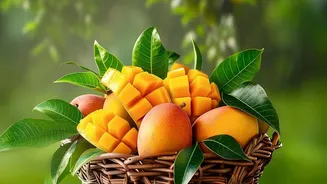
A persistent issue in Indian markets is the use of calcium carbide, often called 'masala', for artificially ripening fruits like mangoes and bananas. This chemical is banned by the Food Safety and Standards Authority of India (FSSAI) because it can contain toxic impurities like arsenic and phosphorus. Fruits ripened with calcium carbide may look perfectly yellow and appealing on the outside, but the flesh can remain sour and unripe. Consumption of fruits contaminated with these residues has been linked to health issues ranging from short-term effects like headaches and nausea to long-term risks for the liver and kidneys. To be safe, be wary of fruits that have a uniform, cosmetic colour but lack a natural aroma. Whenever possible, buy from trusted vendors or those who can confirm their fruits are naturally or ethically ripened using safe methods like controlled ethylene gas.
The Monsoon Cleaning Ritual
Given the increased risk of contamination from dirt and germs during the monsoon, washing fruits properly is non-negotiable. It's best to wash produce right before you plan to eat or cut it, as washing too early can sometimes speed up spoilage. Start by washing your own hands thoroughly. For all fruits, a simple rinse under cool, running water while rubbing the surface briskly is effective. For fruits with firm skin like pears, you can use a clean vegetable brush to scrub the surface. Even fruits that you plan to peel, like pomegranates, should be washed to prevent transferring contaminants from the skin to the flesh when you cut into them. Avoid using soap or detergents, as produce can absorb these chemicals. Soaking fruits in a bowl of water with a little baking soda can also help remove residues.
Immunity-Boosting Powerhouses
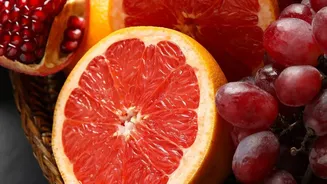
Nature is clever; the fruits that grow in the monsoon are often exactly what our bodies need to fight off seasonal illnesses like colds, flu, and digestive issues. Many monsoon fruits are rich in Vitamin C, a crucial nutrient for strengthening the immune system. Guava and pomegranate, for instance, are excellent sources. Pomegranate also possesses anti-viral and anti-bacterial properties. Jamun helps manage blood sugar levels and can aid with digestive troubles that are common in this season. Papaya contains an enzyme called papain, which helps break down proteins and supports digestion. The high fibre content in fruits like pears and plums also contributes to a healthy gut, which is the foundation of a strong immune system.