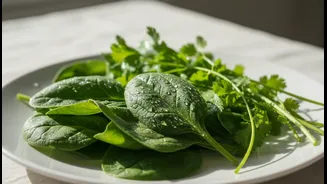

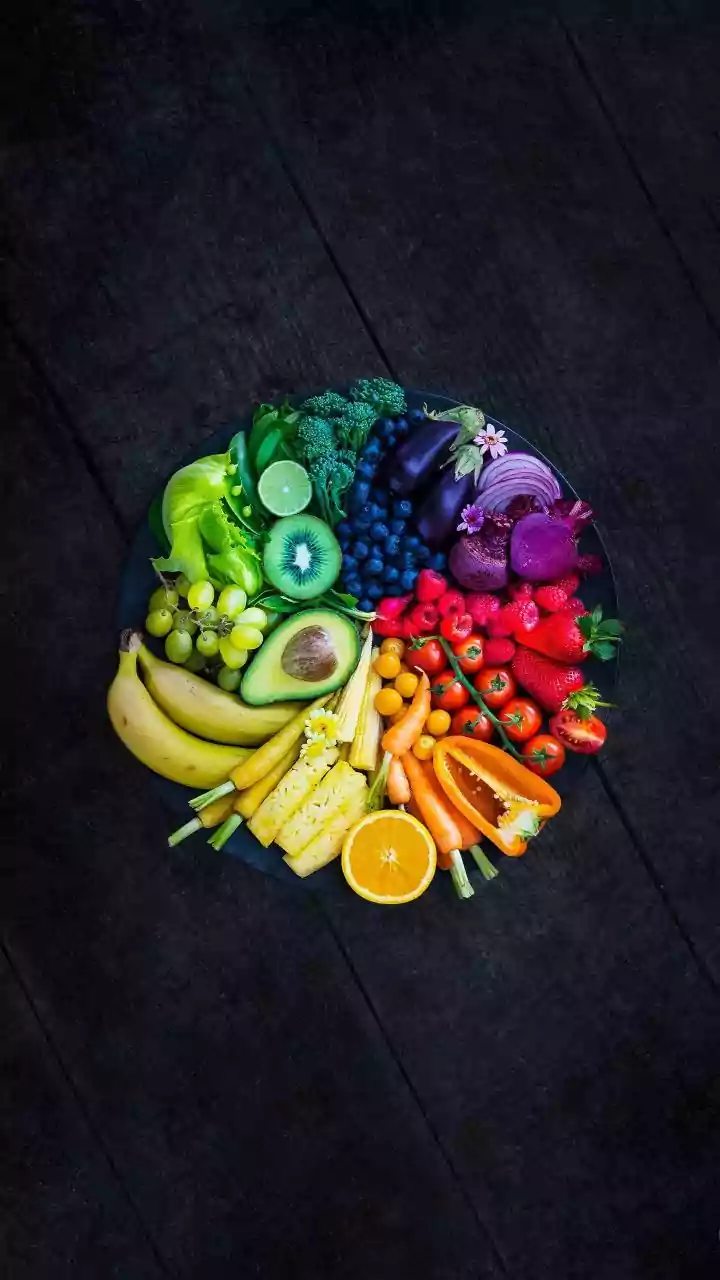







Leafy Green Vegetables
It might feel counterintuitive to skip healthy greens, but monsoon is the one season to be cautious. Vegetables like spinach, cabbage, and lettuce grow in damp conditions, making them magnets for dirt, microbes, and pests. The humidity creates a perfect
breeding ground for germs, and it's incredibly difficult to wash them thoroughly enough to eliminate all risks. Experts suggest opting for vegetables that are easier to clean and cook, such as gourds (lauki, tori), pumpkin, and beans, which are considered safer choices during this season.
Your Favourite Street Food
The craving for hot pakoras and spicy chaat is almost synonymous with rainy weather, but street food poses a significant risk during monsoon. The primary concern is water contamination. Items like pani puri, bhel puri, and various chutneys are often prepared with untreated water, which can carry bacteria responsible for diseases like cholera and typhoid. Furthermore, food left exposed to the humid air can quickly develop harmful bacteria. If the craving is undeniable, the safest option is to prepare these snacks at home where you can control the hygiene and ingredients.
Fish and Other Seafood
Health experts strongly advise against consuming most seafood during the monsoon. This period is the breeding season for many fish, which can affect their quality and taste. More importantly, increased water runoff can pollute seas and rivers, leading to contaminated fish that may carry harmful bacteria and pathogens. The risk of spoilage is also much higher due to the humid conditions, making it difficult to guarantee freshness from the market to your kitchen. It is best to wait until the season passes to enjoy your favourite seafood dishes.
Pre-Cut Fruits and Raw Salads
That convenient packet of cut fruit or a healthy-looking salad from a deli might seem harmless, but they are best avoided. Once cut, fruits and vegetables have a larger surface area exposed to the air. In the monsoon's high humidity, this exposure drastically accelerates bacterial growth. You have no way of knowing how long ago the items were cut or the hygiene conditions under which they were prepared. A much safer practice is to buy whole fruits, wash them thoroughly at home, and cut them just before you plan to eat them.
Dairy Products like Paneer and Curd
Dairy products are highly perishable, and this is especially true during the monsoon. The moisture in the air speeds up the rate at which milk, paneer, and even curd can spoil or grow bacteria. While curd and buttermilk are often recommended for their probiotic benefits, it's crucial to ensure they are fresh and have been stored properly at a consistent, cool temperature. Some Ayurvedic practitioners also suggest that curd can aggravate coughs and colds, which are more common during this season, so it’s wise to consume it with caution.
Deep-Fried and Oily Foods
While a few homemade pakoras are a monsoon tradition, going overboard with deep-fried and excessively oily foods is not recommended. According to both modern dieticians and Ayurvedic principles, our digestive system tends to become more sluggish during the rainy season. Heavy, oily foods are harder to digest and can lead to issues like bloating, acidity, and general discomfort. To enjoy the weather without upsetting your stomach, try lighter, steamed, or baked snacks, and focus on warm, nourishing meals like soups.