





More Than Just Decoration
For centuries, the art of rangoli, or 'kolam' in South India, has been a sacred morning ritual. Traditionally, these intricate designs were not merely decorative but served a profound purpose. Made from coarse rice flour, the rangoli was an offering—a
meal for ants, birds, and other small creatures. This act, known as 'Bhuta Yajna', embodies the principle of co-existence with nature, turning a simple artistic expression into an act of compassion. Each pattern, drawn to welcome guests and the goddess of prosperity, Lakshmi, also serves as a protective barrier, believed to keep negative energies at bay while nourishing the smallest forms of life around us.
The Hidden Costs of Modern Colours
In recent decades, convenient, brightly coloured synthetic powders have largely replaced traditional ingredients. While vibrant, these modern colours come with a significant environmental and health price. Often manufactured with industrial chemicals and heavy metals like lead and mercury, these powders are not biodegradable. When washed away, they contaminate soil and water systems, harming aquatic life and degrading water quality. Furthermore, exposure to these chemicals can pose health risks, especially to children and pets who might come into contact with them, and for the artists themselves who handle them frequently. Some powders have even been found to contain hazardous substances like asbestos.
Beauty That Doesn't Cost the Earth
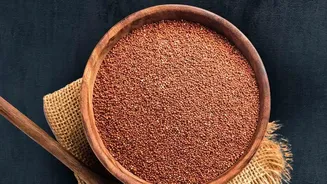
Embracing traditional methods offers a return to a more harmonious way of celebrating. The materials are often found right in our kitchens and gardens, making them accessible and affordable. Rice flour provides a classic white base, while turmeric offers a brilliant yellow, and kumkum a deep red. These ingredients are entirely natural and biodegradable, ensuring they return to the earth without causing harm. In fact, they enrich the cycle of life. Rice flour feeds insects, and other natural powders decompose harmlessly into the soil. This approach aligns with a growing global consciousness about sustainability, allowing us to maintain beloved traditions without compromising the health of our planet.
A Feast for the Senses
Beyond their eco-friendly credentials, traditional rangolis offer a unique sensory experience that synthetic powders cannot replicate. A rangoli made with fresh flower petals from marigolds, roses, and jasmine adds a natural fragrance to the festive air. The textures of different grains, pulses, and coloured sands create a rustic, earthy appeal that is visually rich and complex. The process itself becomes a mindful practice, connecting the creator to nature and to generations of artisans before them. Gathering petals or grinding turmeric can become a family activity, teaching younger generations about cultural heritage and the value of sustainability through hands-on creativity.