



Understanding the New Rules
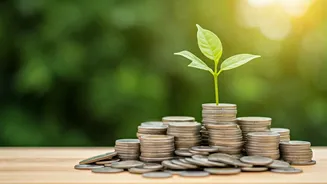
Let's get the main change out of the way. Before the pandemic, Indian tourists enjoyed largely fee-free entry into Bhutan. That has changed. The kingdom has now implemented a mandatory Sustainable Development Fee (SDF) of ₹1,200 per adult, per night.
Children aged 6-12 pay ₹600, and those below 6 are exempt. While this marks a shift from the past, it’s crucial to see it in context. For other international tourists, the same fee is $100 USD (approximately ₹8,300) per night, down from a steep $200. The new structure positions Indian travellers at a significant advantage, making a Bhutanese holiday more accessible than for anyone else in the world.
Redefining 'Affordable' Travel
So, is it 'affordable'? That depends on your definition. If affordable means dirt-cheap, then Bhutan may not be for you. But if affordable means exceptional value for an unparalleled experience, then the answer is a resounding yes. The ₹1,200 fee isn't just an entry tax; it’s an investment. It’s part of Bhutan’s pioneering “High Value, Low Volume” tourism policy, a philosophy designed to protect its pristine environment and unique culture from the ravages of over-tourism. Instead of comparing the cost to a weekend trip to a crowded hill station, it's more helpful to see it as a contribution to a nation that prioritises sustainability and happiness over sheer tourist numbers.
Where Does Your Money Go?
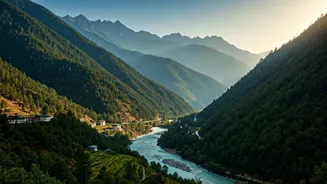
The Sustainable Development Fee is not just revenue for the government; it directly funds the nation’s future. The money collected contributes to maintaining Bhutan as a carbon-negative country, preserving its ancient monasteries, and funding free healthcare and education for its citizens. When you pay the SDF, you are actively participating in the preservation of the very things you came to see: untouched forests, clean air, and a vibrant, living culture. It transforms your trip from a simple transaction into a meaningful partnership with the destination. You aren't just a tourist; you are a patron of one of the world's most unique national projects.
The Priceless Experience
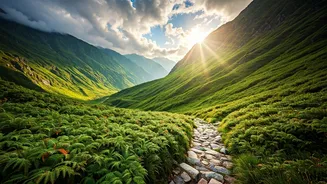
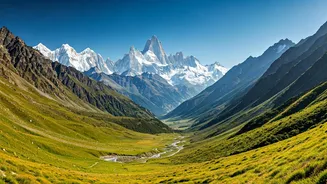
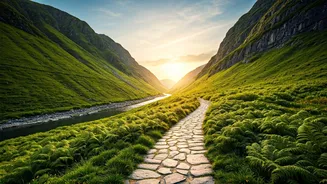
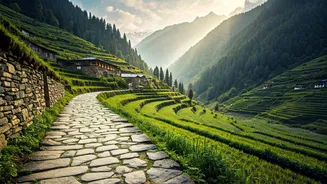
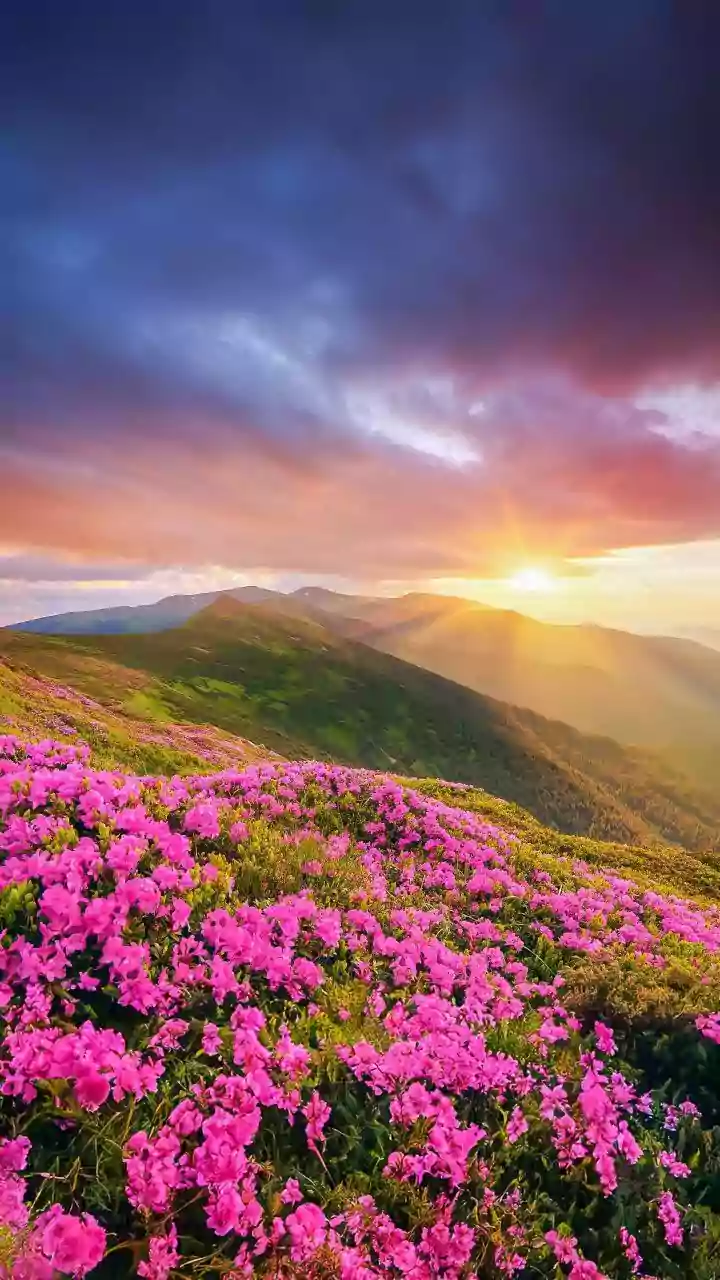
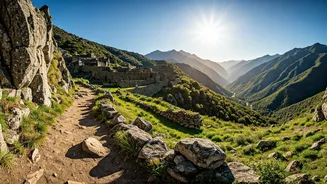
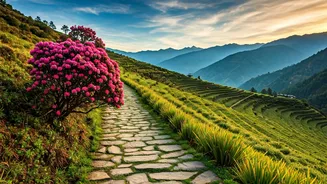
Beyond the policy, the experience itself offers immense value. Imagine trekking through emerald valleys to the iconic Tiger’s Nest monastery without jostling through crowds. Picture yourself breathing in some of the cleanest air on the planet or learning about Gross National Happiness from a local guide whose livelihood is supported by your visit. The absence of overwhelming commercialisation and the genuine warmth of the Bhutanese people are luxuries that money can’t always buy elsewhere. The policy ensures that your experience is serene, authentic, and exclusive, turning your holiday into a restorative journey rather than a stressful itinerary.
Planning Your Conscious Trip
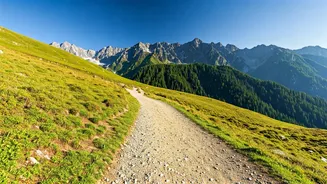
To travel to Bhutan now, Indian tourists need to obtain a permit online through a registered Bhutanese tour operator or directly at the entry point in Phuentsholing. While you are no longer required to book an all-inclusive package, hiring a local guide is highly recommended to navigate the country and gain deeper cultural insights. The best times to visit are during the spring (March to May) and autumn (September to November) when the weather is pleasant and the views of the Himalayas are crystal clear. Embrace the philosophy of the place: travel slowly, interact meaningfully, and leave with a lighter footprint and a fuller heart.