

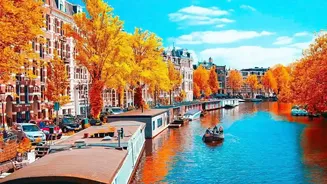


The Rise of the Autumn Getaway
For decades, the rhythm of Indian travel was predictable: a long summer holiday for the kids, and a frantic festive season break around Diwali. The post-monsoon months of September, October, and November were often a quiet shoulder season. Not anymore.
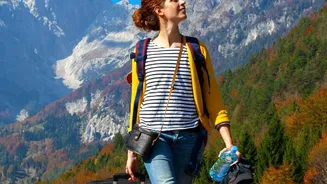
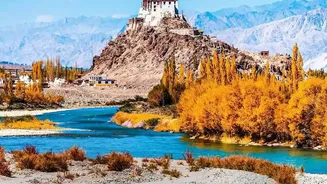
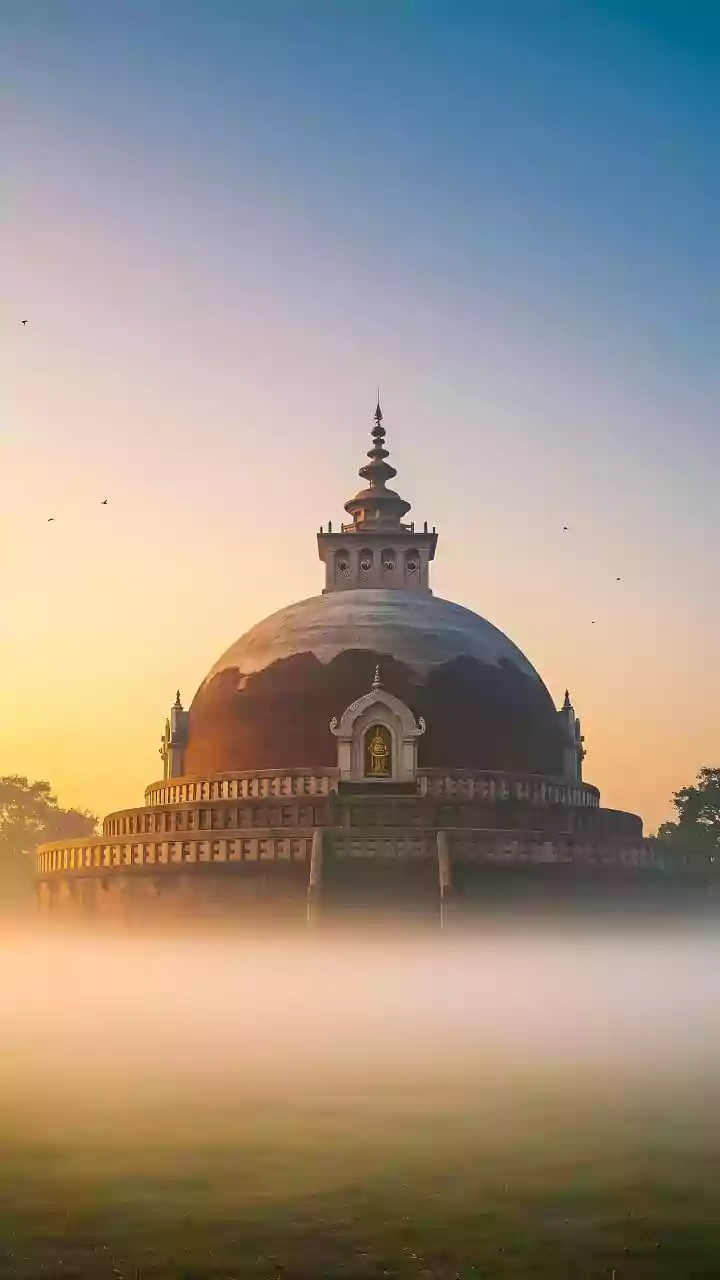
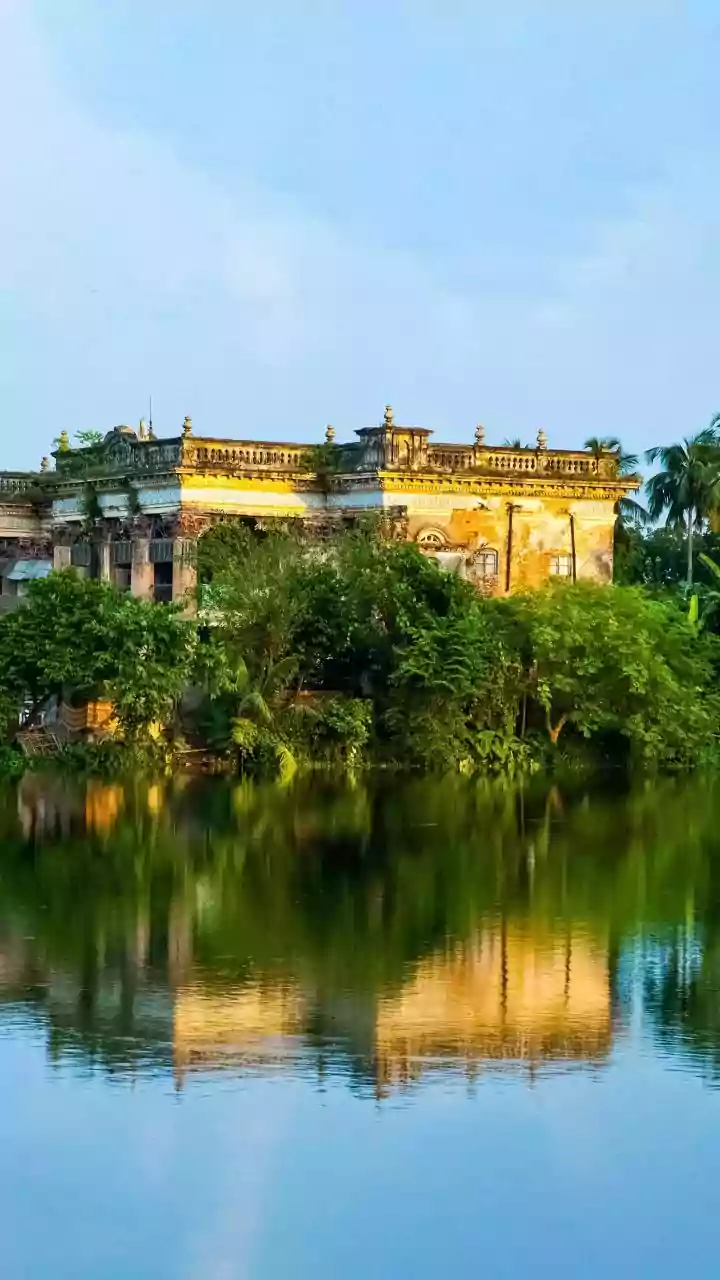
This period is rapidly becoming a third, distinct travel peak, driven by a fundamental shift in how Indians approach holidays. According to travel industry leaders, this is not just about tacking on another vacation; it represents a move toward a year-round travel culture. Instead of one or two long breaks, travelers now prefer multiple shorter, more frequent trips. This change is fueled by a calendar dotted with festivals and public holidays like Gandhi Jayanti and Dussehra, which create perfect opportunities for long-weekend getaways.
What's Driving the Trend?
Several factors are converging to make autumn the new spring for Indian travelers. Rising disposable incomes and a growing middle class mean more people can afford international trips. This financial ability is paired with a change in mindset. Travel is no longer seen as a rare luxury but as a regular, essential part of a modern lifestyle, with many now taking four to six trips a year. Enhanced air connectivity has made the world more accessible, while the rise of online travel agencies allows for seamless, spontaneous planning. Furthermore, the post-pandemic desire for experience-led journeys continues to influence choices, with travelers seeking immersive cultural activities over simple sightseeing. Off-season travel also offers significant value, with lower prices on flights and hotels, and fewer crowds at popular landmarks, allowing for a more relaxed and authentic experience.
Europe in a New Light
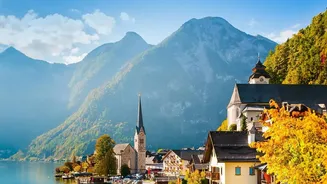
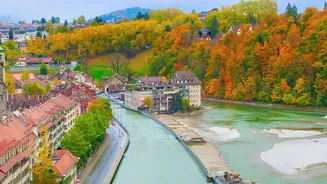
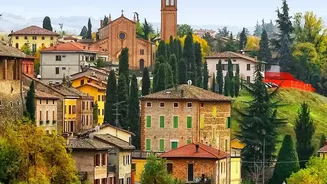
Traditionally, a trip to Europe was a once-in-a-decade, two-week affair planned months in advance. Now, it's becoming an option for a week-long autumn escape. Destinations like France, Switzerland, and Italy remain perennial favorites, attracting families and honeymooners alike. However, the appeal is shifting. Travelers are drawn to the specific beauty of Europe in the fall: the golden foliage of Paris, the harvest festivals in Tuscany, and the early magic of Christmas markets that begin in late November in cities like Prague and Vienna. Eastern European countries such as the Czech Republic and Hungary are also gaining popularity, offering fairytale cityscapes and rich history at a fraction of the cost of their western counterparts. The widespread acceptance of the Schengen visa, which covers 29 countries, simplifies multi-destination trips, making it easier than ever to sample different European cultures in one short holiday.
Asia's Enduring and Emerging Allure
While Europe offers grandeur, Asia provides a compelling mix of cultural familiarity, novelty, and convenience. Short-haul destinations like Thailand, Malaysia, and Indonesia have long been popular, and recent visa-free policies have only increased their appeal for quick getaways. But the modern Indian traveler is also looking further east. Japan is a major draw during the autumn months of September to November, when its famed maple and ginkgo trees create spectacular displays of color, offering a less crowded alternative to the spring cherry blossom season. South Korea and Vietnam are also climbing the ranks, praised for their unique blend of ancient traditions and hyper-modern city life. The appeal is clear: these destinations offer a significant cultural shift without the long-haul flight time or high costs associated with trips to the West, making them ideal for the new Indian short-holiday calendar.