





The Atmosphere’s Usual Routine
On a typical day, the sun warms the Earth's surface. This, in turn, heats the layer of air closest to the ground. Like a hot air balloon, this warm air rises, carrying pollutants and dust upwards and away from where we breathe. As it ascends, it cools,
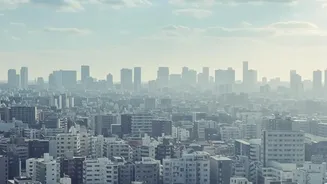
sinks back down, and the cycle continues. This constant circulation, known as convection, acts as the atmosphere's natural ventilation system, mixing the air and preventing pollutants from concentrating in one place. This daily process is why, under normal conditions, the air feels fresher and visibility is clearer.
What is a Temperature Inversion?
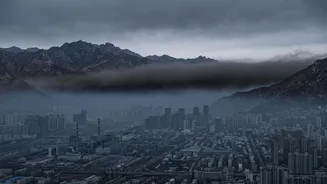
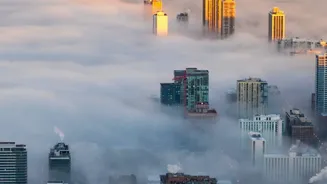
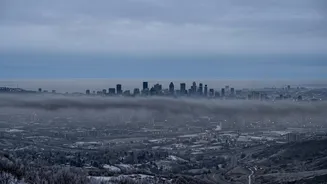
A temperature inversion flips this entire process on its head. It’s an atmospheric condition where a layer of warmer air settles above a layer of cooler air near the ground. This warm upper layer acts like a lid or a cap, preventing the cooler, denser air below from rising. The normal vertical mixing of the atmosphere stops, and the air becomes stagnant. Imagine putting a lid on a pot; whatever is inside is trapped. During an inversion, the 'pot' is the region near the ground, and what's trapped is the cold air along with everything in it.
Why Winter is Prime Inversion Season
Temperature inversions are particularly common during winter for several reasons. Winter nights are longer and often clearer, allowing the ground to rapidly radiate its heat away into space. This process significantly cools the land and, consequently, the layer of air directly in contact with it. Meanwhile, the air higher up doesn't cool as quickly and remains relatively warm. Calm winter winds also play a crucial role. Without strong winds to mix the air layers, this stable, inverted setup can persist for days, creating the perfect conditions for trapping pollutants.
The Urban Pollution Trap
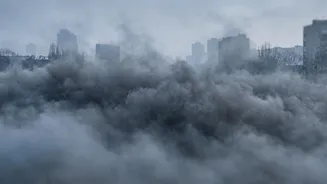
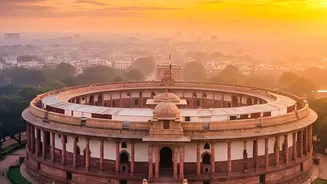
In a bustling city, this atmospheric lid becomes a serious problem. Daily emissions from vehicles, industrial activity, construction dust, and smoke from residential heating are constantly being released near the ground. Under normal conditions, these pollutants would disperse. But during an inversion, they are trapped in the shallow layer of cold air. The longer the inversion lasts, the more these pollutants accumulate, with nowhere to go. This causes their concentration to rise to dangerous levels, turning the air into a thick, toxic soup known as smog. This is why air quality in cities like Delhi can deteriorate so dramatically and persistently during the winter months.
From Hazy Skies to Health Hazards
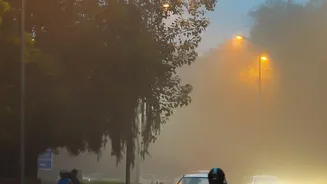
The most visible effect of a strong inversion is the thick, brownish haze that drastically reduces visibility, often disrupting flights and road traffic. But the invisible danger is far worse. The trapped pollutants, especially fine particulate matter known as PM2.5, can penetrate deep into the lungs when inhaled. This can trigger or worsen respiratory issues like asthma and bronchitis, and pose long-term health risks. What starts as a meteorological phenomenon quickly becomes a public health crisis, as entire urban populations are forced to breathe air with dangerously high concentrations of harmful particles.