



A Legacy Spun From Cotton
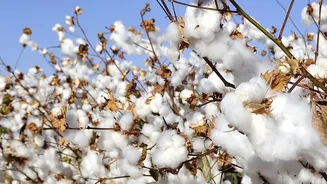
Coimbatore’s journey to becoming a textile powerhouse began in the late 19th century. The region's black cotton soil was perfect for cultivation, and the arrival of the railway provided a means to transport the raw material. The city's first modern textile mill,
the Coimbatore Spinning and Weaving Mills, was established in 1888 by Sir Robert Stanes. This pioneering venture, popularly known as Stanes Mill, demonstrated that local cotton could be spun into high-quality yarn, sparking an industrial revolution. The boom truly ignited in the 1930s with the commissioning of the Pykara hydro-electric project, which supplied abundant and affordable power, leading to the establishment of dozens of new mills and cementing the city's status as a textile hub.
The Must-Visit Textile Museum
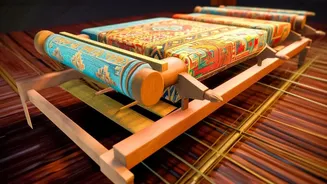
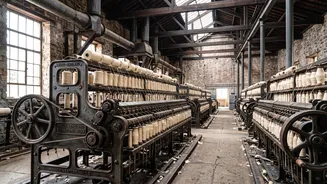
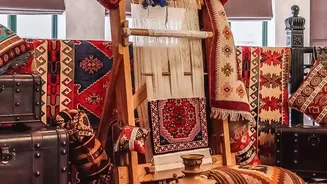
While most of the original mills are now private industrial compounds or have been redeveloped, visitors can dive deep into this history at the Kasthuri Sreenivasan Art Gallery and Textile Museum. This cultural centre is the single most important stop on any textile tour of the city. The museum section brilliantly chronicles the evolution of India's textile industry, showcasing everything from early spinning wheels to the massive machinery that powered the mills. Founded by a pioneering textile technologist, it provides a comprehensive look at the technology, the fabrics, and the people who built the industry. The museum is located on Avinashi Road and is an easily accessible and essential starting point.
Landmarks of an Industrial Empire
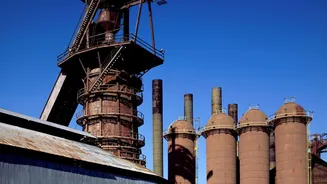
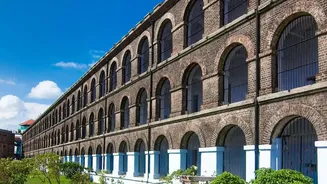
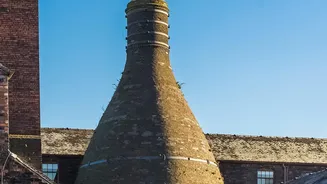
Many of the city's foundational mills, though not open for public tours, still stand as important landmarks. The success of the first Stanes Mill was quickly followed by others like Kaleeswara Mills in 1906, the first Indian-owned mill in the city, and the mills founded by the influential PSG family. As you travel through areas like Peelamedu, you'll encounter names that are part of the city's fabric, such as Lakshmi Mills, which was established in 1910 and has now been partially transformed into a modern lifestyle destination. Though you can only view them from the outside, seeing these sites helps in imagining the scale of the industry that once dominated Coimbatore's landscape. Many former mills are even remembered as the names of bus stops, a testament to their lasting impact.
Experience the Heritage Through Shopping
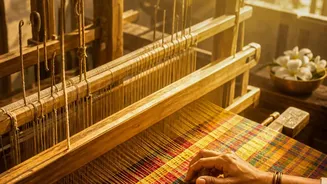
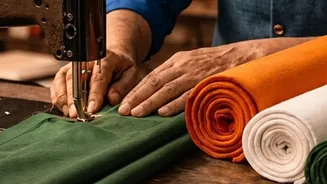
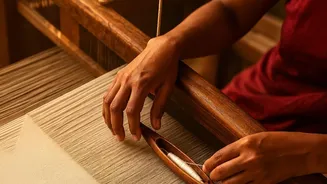
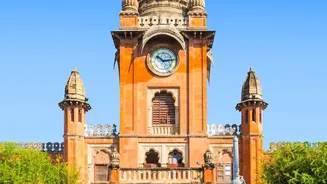
The most tangible way to connect with Coimbatore's textile legacy is through its fabrics. The city is famous for Kovai Kora cotton, a unique blend of silk and cotton known for its soft texture and elegant look. This fabric is so distinctive that it has been granted a Geographical Indication (GI) tag, signifying its origin and quality. Visitors can find authentic Kovai Kora cotton sarees in government-certified co-operative societies and handloom stores across the city. Exploring the local markets in areas like RS Puram and the Town Hall not only offers a chance to buy beautiful textiles but also to witness the living continuation of a craft that has defined the region for centuries.
How to Plan Your Textile Tour
To best experience Coimbatore's textile heritage, start at the Kasthuri Sreenivasan Textile Museum to gain historical context. From there, you can map a route to see the facades of historic mills like those in Peelamedu and near the original Stanes Mill location in Sukrawarpet. The best time to visit Coimbatore is generally between November and February, when the weather is pleasant for exploring. While formal guided tours of the mills are rare, you can hire a knowledgeable local auto-rickshaw driver or guide who can point out the key locations and share stories of the city's industrial past. End your tour with a shopping trip to bring a piece of this rich history home with you.