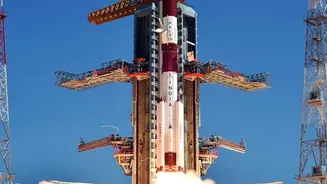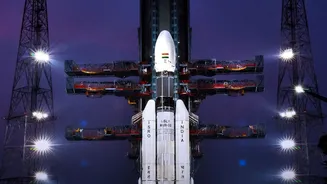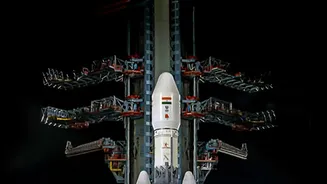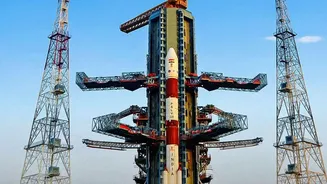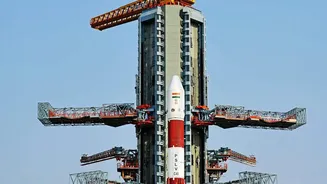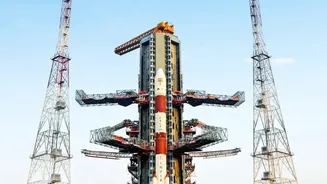




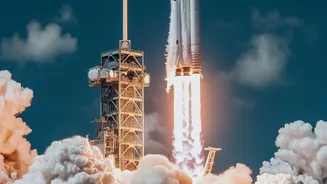
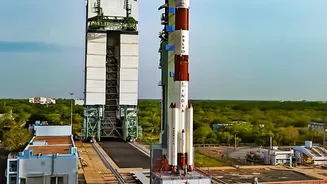
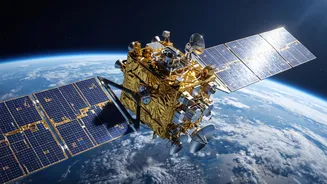
As the clock ticks towards midnight, the Indian Space Research Organisation (ISRO) is preparing for a pivotal launch. The GSLV-F18 rocket is slated to lift off, carrying the NVS-03 satellite to fortify India’s homegrown navigation system, NavIC.
A Midnight Boost for Indian Navigation
Tonight,
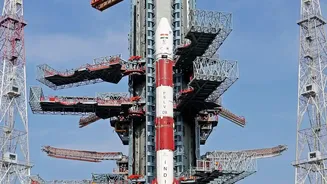
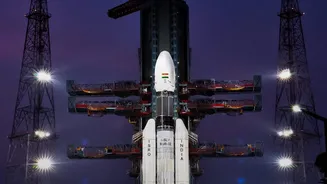
all eyes will be on the Satish Dhawan Space Centre in Sriharikota, where ISRO plans to execute another complex mission. The launch of the GSLV-F18 carrying the NVS-03 satellite is more than just a routine space operation; it is a critical step in strengthening the Navigation with Indian Constellation (NavIC) system. This indigenous network provides vital positioning, navigation, and timing services, acting as India's independent alternative to foreign systems like the US-operated GPS. The mission aims to place the roughly 2,250 kg NVS-03 satellite into a Geosynchronous Transfer Orbit (GTO). From there, a series of precise manoeuvres will guide it to its final orbital home, ready to join the constellation that serves the Indian mainland and a region extending 1,500 kilometres beyond its borders.
The Workhorse: GSLV-F18
The rocket at the heart of this mission is the Geosynchronous Satellite Launch Vehicle (GSLV), a powerful three-stage launcher standing approximately 50 metres tall. Often called ISRO's 'naughty boy' in its early days due to a mixed success rate, the GSLV has since matured into a reliable workhorse, especially after ISRO mastered its own cryogenic upper stage. This third stage is a marvel of engineering, using super-cooled liquid hydrogen and liquid oxygen as propellants to generate the immense thrust needed to deliver heavy satellites to high orbits. The GSLV-F18 mission will be the 20th flight for the GSLV program, a testament to its evolution and India's self-reliance in complex launch technologies.
NVS-03: The New Eye in the Sky
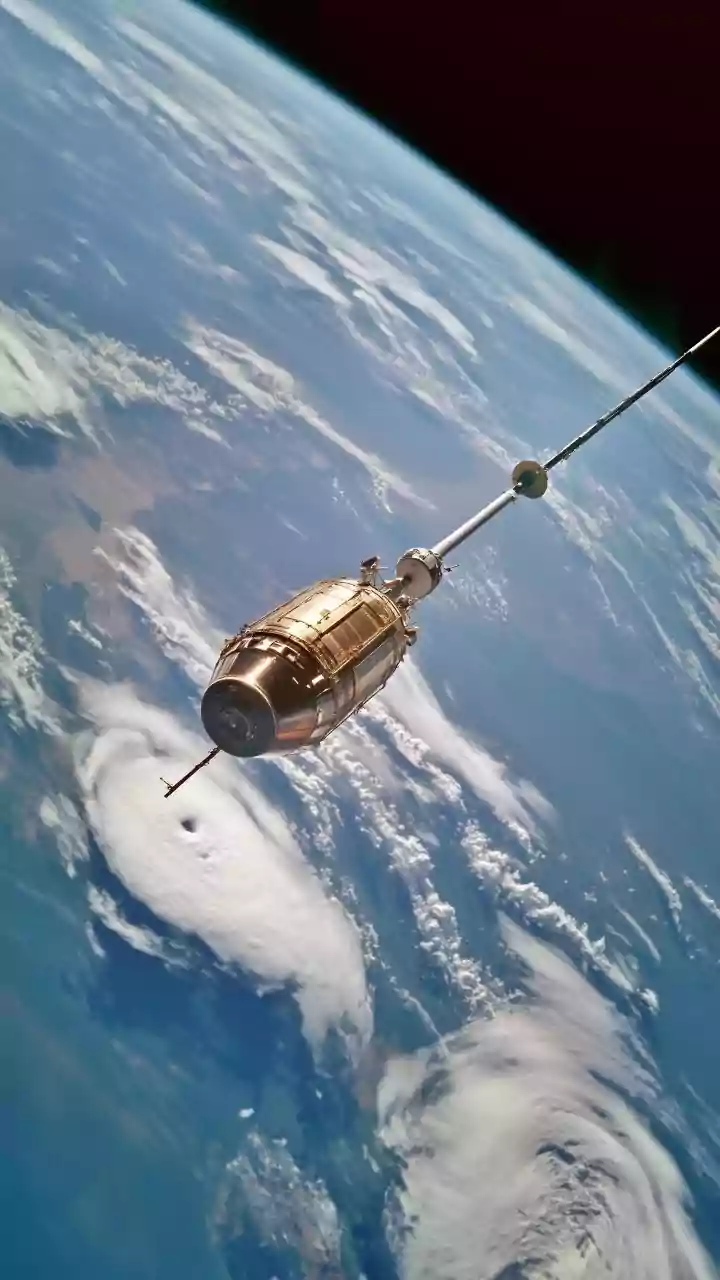
The NVS-03 is the third satellite in a new, second generation of NavIC spacecraft. These satellites are designed to augment and eventually replace the original first generation constellation, some of which have faced issues with their onboard atomic clocks. A key upgrade in the NVS series is the inclusion of an indigenously developed rubidium atomic clock, reducing reliance on foreign components and enhancing mission longevity to a planned 12 years. Perhaps most significantly for users, NVS-03 broadcasts signals in the L1 frequency band in addition to the existing L5 and S bands. The L1 band is the most commonly used frequency for civilian GPS, and its inclusion will make NavIC services more compatible with a wide range of consumer devices like smartphones and wearables.
Why NavIC Matters for India
The drive to build an independent navigation system was born from strategic necessity, highlighted during the Kargil War when access to foreign GPS data was not guaranteed. Having its own system like NavIC gives India strategic autonomy in critical civilian and military operations. The applications are vast and varied, ranging from guiding aircraft and ships to providing real time tracking for public transport like trains. It is also instrumental in disaster management, providing timely alerts for events like cyclones, and aids precision agriculture by enabling farmers to optimize their operations. With an accuracy of better than 20 metres over its primary service area, NavIC is a powerful tool for national development and security.
The Journey to Orbit
After its 11 : 51 PM lift off, the GSLV - F18 will embark on a flight lasting about 18 minutes to inject the NVS - 03 satellite into its designated GTO. The first stage, with its solid core and four liquid strap - on boosters, will provide the initial massive thrust. After separation, the liquid - fueled second stage will take over, followed by the crucial firing of the cryogenic upper stage to push the satellite towards its apogee, or highest point, of around 36 ,000 km. Once the satellite separates from the rocket, ISRO 's ground control will take command, firing the satellite 's own Liquid Apogee Motor (LAM) in stages to circularize its orbit and position it perfectly to begin its service life.