






Understanding the 'Wait Time' Challenge
For years, securing a US visitor visa (B1/B2) interview in India has felt like a lottery. With demand consistently high, appointment backlogs have stretched into many months, causing uncertainty for tourists, families, and business travellers. The process
involves filling out the DS-160 form, paying the fee, and then finding an available slot for biometrics and the consular interview. The main bottleneck has been the wait for this in-person interview. However, the U.S. Mission to India has made it more transparent for applicants to see these wait times, not just for their home city but across all five consular posts: New Delhi, Mumbai, Chennai, Kolkata, and Hyderabad. This transparency allows for a powerful new strategy: comparing wait times and picking a location that gets you in the door sooner. While the ability to apply in any city isn't new, the clear, accessible data from the US Department of State now makes this a viable and popular tactic.
A Snapshot of Mid-2026 Wait Times
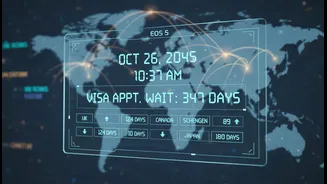
The wait times for a B1/B2 visitor visa interview can vary dramatically from one city to another. Based on recent data from early July 2026, the situation across India shows a significant gap between the fastest and slowest locations. According to the U.S. Department of State, Kolkata currently has the shortest average wait time, at approximately 4 months. Chennai follows, with an estimated wait of about 5.5 months. New Delhi's average wait is longer, at around 7.5 months. The longest delays are currently seen in Hyderabad and Mumbai, which both report average wait times of around 9.5 months for a first-time visitor visa interview. These figures highlight a potential five-month difference depending on the city you choose. It is crucial to remember that these are estimated averages; new appointments are released regularly, and the situation can change weekly.
How to Check Live Wait Times
You don't have to rely on news reports to make your decision. The most accurate information is available directly from the source. The U.S. Department of State maintains a dedicated 'Visa Appointment Wait Times' tool on its Travel.gov website. To use it, simply select the city (e.g., "Chennai") and you will see the estimated wait time for different non-immigrant visa categories, including 'Interview Required Visitors (B1/B2)'. It's wise to check this official portal frequently, as availability can change daily due to cancellations and the addition of new slots. The U.S. Embassy and its consulates in India also regularly post updates on their social media channels, which can provide valuable context. After paying your visa fee, you will gain access to the official scheduling portal, where you can see the actual calendar availability and book your appointment.
A Strategic Approach to Booking
Armed with this comparative data, you can now make a more strategic choice. If you live in a city with a 9-month wait but a consulate in another city has a 4-month wait, applying there could significantly speed up your timeline. Indian applicants are permitted to schedule their interview at any of the five consulates, regardless of their state of residence. However, there are practical considerations. You must be prepared to travel to that city for your interview and potentially again for passport collection, so factor in the costs of flights and accommodation. Furthermore, once you book an appointment in a specific city, you are locked into that location. The key is to check wait times before you begin the final scheduling process. Many applicants now book the first available slot they find, even if it's far out, and then continuously check the portal for earlier openings that may appear due to cancellations.
Beyond the Wait: Other Key Factors
While securing an early appointment is a major win, it's only one part of the process. Remember that student (F, M, J) and certain work visas (H, L, O, P, Q) often have much shorter wait times than visitor visas. If you are eligible for an interview waiver (often called 'dropbox'), the process is much faster, typically taking only a few weeks for processing without an in-person interview. Finally, ensure your DS-160 form is filled out completely and accurately, and that you have all necessary documentation prepared for your interview. An incomplete application can cause delays that negate the benefit of finding a quick appointment. Your goal should be to be fully prepared, so that once your interview day arrives, the process is as smooth as possible.