

A Stitch of Nostalgia and Heritage
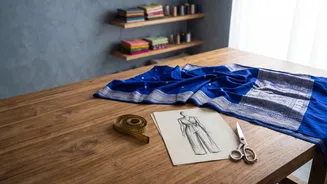
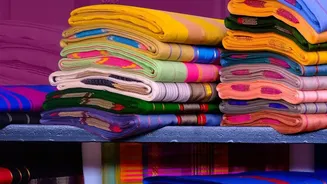
For many young Indians, an old saree is more than just six yards of fabric; it's a living record of family history. These garments carry the memories of weddings, festivals, and personal milestones, often passed down from a grandmother or mother. By repurposing
a treasured Kanjeevaram or Banarasi, Gen Z isn't discarding tradition but wearing it with pride in a form that fits their contemporary life. This act transforms a stored memory into a wearable story, creating a tangible connection to their roots and the women in their family who wore it first. The emotional value attached to these heirlooms makes the resulting outfit priceless, a piece of personal history woven into a modern silhouette.
The Ultimate Sustainable Statement
Gen Z is widely recognised as the generation most conscious of fashion's environmental footprint. They are actively rejecting the wastefulness of fast fashion in favour of more sustainable practices like thrifting and upcycling. Converting an old saree into a new dress, co-ord set, or jacket is a powerful act of eco-conscious fashion. It reduces textile waste and gives a high-quality, often handcrafted, fabric a new lease of life. This approach aligns perfectly with a growing desire for a circular fashion economy, where clothes are cherished and reused rather than discarded after a few wears. By choosing to refashion an heirloom, they make a statement that style and sustainability can, and should, go hand-in-hand.
Crafting One-of-a-Kind Style
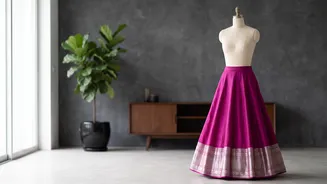
In a world of mass-produced trends, the biggest luxury is individuality. Upcycling a vintage saree guarantees a truly unique outfit that no one else will have. The distinctive weaves, aged colours, and intricate borders of old sarees offer design possibilities that can't be found in a retail store. This allows for immense creativity, turning a single saree into anything from a sharp blazer and trouser set to a flowing boho-chic dress or a trendy crop top and skirt. This process empowers young people to become designers of their own style, creating personalised garments that reflect their identity while standing out from the crowd. The result is not just an outfit, but a piece of wearable art.
Where Tradition Meets the Trend
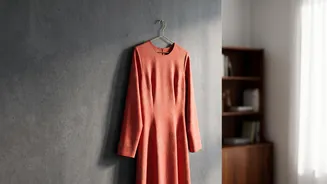
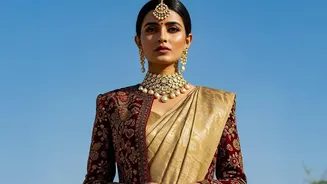
The Indo-Western aesthetic is where this trend truly comes alive. It's a fashion language that Gen Z speaks fluently, blending cultural heritage with global style influences. An old saree's border can become the cuff of a modern jacket, its pallu can be fashioned into a dramatic cape for a gown, and its body can be tailored into sleek dhoti pants or a chic jumpsuit. This fusion allows for endless experimentation. A repurposed saree can be paired with sneakers for a casual day out or styled with heels for a wedding. This versatility makes the heirloom relevant for a modern lifestyle, proving that tradition doesn't have to be rigid; it can be fluid, playful, and incredibly stylish.
Smart Economics and Accessible Luxury
Beyond the emotional and environmental benefits, there is a practical economic advantage. Creating a custom outfit from an existing saree is often more affordable than buying a new designer piece. It provides access to a bespoke, high-quality garment without the hefty price tag. For a generation navigating a rising cost of living, this is a smart and stylish solution. It allows them to wear luxurious fabrics like pure silk or hand-woven brocades, which might otherwise be financially out of reach. This resourceful approach to fashion democratises luxury, making it possible to own a unique, custom-fitted piece that is rich in both material and meaning.