




The King of All Fruit Festivals
Before we get to the hashtags and trending posts, it's important to understand what the Delhi International Mango Festival, or 'Aam Mahotsav,' truly is. Organised by Delhi Tourism, this annual event is a grand celebration dedicated entirely to the king
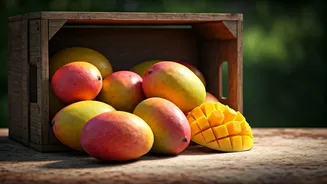
of fruits. For a few days every summer, a venue in the capital is transformed into a mango paradise. Forget the handful of varieties you find at your local vendor; we're talking about a staggering display of over 500 types of mangoes, sourced from growers across India. From the famed Alphonso and Dasheri to obscure, regional treasures you've likely never heard of, the festival is a living, breathing museum of India's favourite fruit.
Designed for the Digital Eye
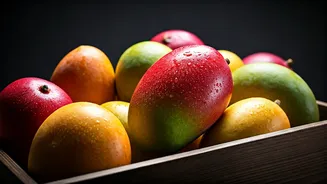
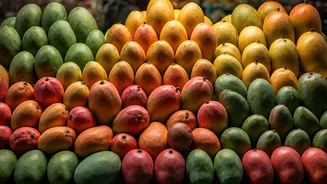
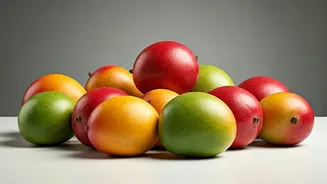
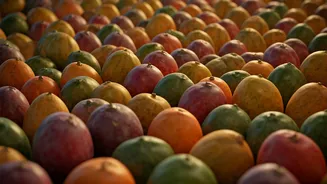
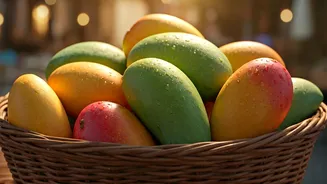
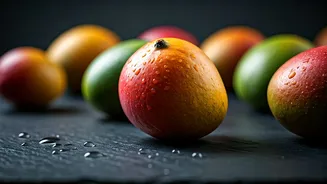
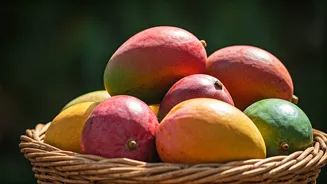
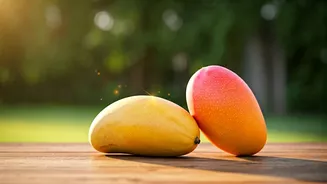
Here’s the real secret to its social media success: the festival is unbelievably photogenic. Imagine long tables groaning under the weight of thousands of mangoes, arranged in pyramids of yellow, green, orange, and red. There are impossibly large mangoes, tiny, jewel-like ones, and varieties with names as poetic as their taste—like Husn-e-Ara (beauty of the ornament) and Aamrapali. In a world driven by visual content, the festival provides an endless supply of 'Instagrammable' moments. Every corner offers a perfect shot: the vibrant colours, the sheer scale of the display, and the delighted faces of visitors. It’s a content creator’s dream, requiring no filter to look stunning, and users eagerly share this visual feast with their followers.
The Thrill of Mango Discovery
The festival’s appeal goes beyond just pretty pictures. It taps into our love for discovery. While everyone knows the big names, the event allows visitors to taste and buy rare and hybrid varieties that are almost impossible to find elsewhere. You might discover the Chausa from Uttar Pradesh, the Himsagar from West Bengal, or even a unique, unnamed variant from a small orchard. This element of discovery is a powerful driver for social sharing. Posting a picture of a rare 'Rataul' or 'Kensington Pride' mango is a way of saying, "Look at this amazing thing I found!" It turns a simple visit into a story of exploration and connoisseurship, providing social currency that a simple trip to the market does not.
More Than Just a Display
Another reason the festival dominates feeds is that it’s an interactive experience, not a passive one. Attendees don't just look; they participate. There are mango-eating competitions that are as hilarious as they are messy, drawing huge crowds and countless phone cameras. There are cooking demonstrations showing how to make everything from mango salsa to mango kulfi, providing practical tips that people love to share. Quizzes, magic shows, and cultural performances add to the vibrant atmosphere. These activities create moments of joy, competition, and community—all highly shareable emotions. A video of a friend frantically trying to win a mango-eating contest is social media gold.
A Celebration of Shared Nostalgia
Ultimately, the Delhi Mango Festival breaks social media because it taps into a deep, collective emotion. For most Indians, mangoes are not just a fruit; they are a core memory of summer, childhood, and family. They represent lazy afternoons and the sweet, sticky joy of the season's first bite. The festival concentrates this nostalgia into a single, vibrant event. When people post from the Aam Mahotsav, they are not just sharing pictures of a fruit; they are sharing a feeling. They are participating in a nationwide ritual and celebrating a piece of their cultural identity, and that resonance is what makes a local event go viral.