



Why Container Size Is Crucial
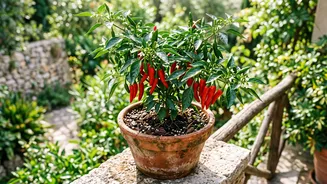
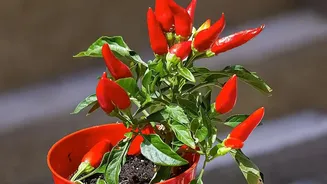
The single most important decision for a container-grown chilli is the pot size. While Thai pepper plants appear compact above the soil, they develop an extensive root system below. A small pot will restrict root growth, leading to a stressed, smaller
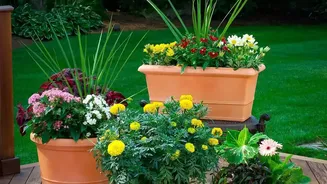
plant with a disappointing yield. For a single Thai chilli plant, a 5-gallon (around 18-20 litre) pot is the recommended size. This volume provides ample space for the roots to expand, anchor the plant, and absorb the water and nutrients needed for vigorous growth and heavy fruiting. While you can start seedlings in smaller pots, aim to have them in their final, large container for the main growing season.
Getting Spacing and Potting Right
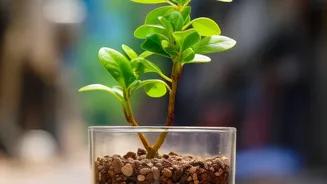
When it comes to spacing, the rule is simple: one plant per pot. Trying to squeeze multiple plants into one container, even a large one, will cause them to compete for light, water, and nutrients. It also reduces air circulation around the leaves, which can encourage fungal diseases, especially in humid conditions. If you are transplanting a seedling, choose a pot that is only slightly larger than its current root ball and gradually move up in size. This prevents the small root system from sitting in a large volume of wet soil, which can lead to rot. Ensure any pot you use has excellent drainage holes at the bottom.
The Perfect Potting Mix
Thai chillies demand soil that is well-draining yet capable of holding some moisture. Standard garden soil is too heavy and compact for containers and should be avoided. A high-quality potting mix is your best starting point. To create an ideal environment, you can amend a basic mix. A popular recipe for chillies involves a blend of compost, coco peat (coir), and perlite. The coco peat helps retain moisture without becoming waterlogged, while perlite—the small, white, lightweight volcanic rocks—improves drainage and aeration, giving roots access to oxygen. Aim for a mix that is light and fluffy, not dense.
Sunlight and Ideal Location
Thai chillies are sun-loving plants. To thrive and produce a good harvest, they need at least six to eight hours of direct, bright sunlight every day. In India, a south-facing balcony, terrace, or windowsill is the perfect location for your potted chilli plant. Plenty of sun exposure fuels the process of photosynthesis, leading to a strong, bushy plant and, most importantly, the development of many flowers that will turn into fiery peppers. If you notice your plant looks stretched or 'leggy', with long gaps between leaves, it is likely not getting enough light.
Watering Wisdom for Potted Plants
Plants in containers dry out much faster than those in the ground, so consistent watering is key. The goal is to keep the soil consistently moist but never waterlogged. A good rule of thumb is to water the plant whenever the top inch of soil feels dry to the touch. Water thoroughly until you see it running out of the drainage holes at the bottom. This ensures the entire root ball is hydrated. Then, allow the top layer to dry out before watering again. This wet-and-dry cycle is healthier for the roots than keeping them constantly saturated.
Feeding Your Fiery Friends
When you buy a fresh bag of potting mix, it usually contains enough nutrients to feed the plant for the first three to four weeks. After that, you will need to provide additional fertiliser. Early in its growth, a balanced fertiliser is fine. Once the plant begins to flower, switch to a feed that is higher in potassium (the 'K' in NPK) to encourage fruit production rather than just leafy growth. A fertiliser formulated for tomatoes works very well for chillies. Feed your plant every few weeks during the growing season, always following the product's instructions for dilution. It's better to under-feed than to over-feed.