








Beyond the Metros: The New Beauty Capitals
The narrative that once centered exclusively on Delhi, Mumbai, and Bengaluru is expanding to include a diverse range of new locations. Cities like Jaipur, Lucknow, Guwahati, Surat, and Indore are becoming significant demand centers for beauty and personal
care. In fact, major e-commerce platforms report that over half of their demand for premium beauty products now originates from Tier-2 and Tier-3 cities. This shift is not just about sales figures; it represents a fundamental change in access and aspiration. Consumers in smaller cities, who always desired quality products, are now a driving force in the market's expansion, with the overall Indian beauty and personal care market valued at over $30 billion.
The Digital Bridge to Every Corner
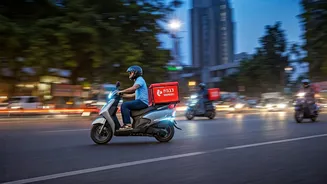
The single biggest catalyst for this change is the digital revolution. E-commerce platforms like Amazon, Nykaa, and Myntra have demolished geographical barriers, making international and homegrown brands accessible with a single click. Online beauty sales have seen explosive growth, far outpacing traditional offline retail. This isn't just about convenience; it's about choice. Digital platforms have effectively created new demand by exposing a wider audience to a vast array of products. The rise of quick commerce, with platforms offering deliveries in minutes, has further accelerated this trend, making impulse beauty buys a reality for millions outside of major urban hubs.
The Rise of the Relatable Influencer
Alongside e-commerce, social media has democratized influence. The era of relying solely on Bollywood celebrities is fading. Today, a new generation of regional and micro-influencers are the trusted voices in beauty. These creators, often producing content in vernacular languages from their homes in Tier-2 and Tier-3 cities, resonate deeply with local audiences. Their relatability and authentic reviews guide purchasing decisions, creating microcultures of influence. This shift has forced brands to adopt hyperlocal marketing strategies, collaborating with creators who can genuinely connect with specific regional communities.
How Brands are Adapting
Smart brands, both global and domestic, are paying close attention. International giants like Estée Lauder and L'Oréal are no longer just focusing on metro rollouts but are using data to identify emerging markets in cities like Siliguri and tailoring products to regional tastes. Amazon India, for instance, is adding over 100 new premium brands in response to soaring demand from non-metro areas. Companies are realizing that a one-size-fits-all approach doesn't work. Success now lies in understanding local nuances, from climate-specific skincare needs to regional makeup preferences, such as the continued popularity of kohl.
A More Inclusive Definition of Beauty
Perhaps the most significant outcome of this decentralization is the broadening of India's beauty standards. As the market widens, so does the definition of who is seen and celebrated. The industry is slowly moving away from a singular, often fair-skinned, ideal that dominated for decades. The rise of regional voices and the visibility of diverse faces on social media are championing a more inclusive vision that embraces different skin tones, features, and cultural aesthetics. From the emphasis on melanin-rich skin in South Indian beauty narratives to the celebration of local traditions, the conversation is becoming richer and more representative of India's true diversity.