







Understanding Ageing Muscles: A Cellular Slowdown
As the years pass, our muscles naturally undergo a process called sarcopenia, which is the progressive loss of muscle mass and function. From around age 30, we can lose 3-8% of our muscle mass per decade, and this rate accelerates after 60. This isn't
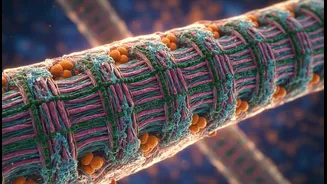
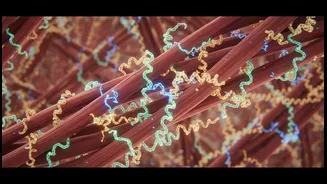
just about feeling weaker; it's a deep, molecular shift. Inside our muscle cells, the mitochondria—often called the cellular powerhouses—can become less numerous and less efficient, reducing the energy available for muscle contraction and repair. Simultaneously, the balance between building new proteins and clearing out old, damaged ones can get disrupted, leading to an accumulation of cellular 'junk' that impairs function. This decline is a key reason why mobility can decrease and the risk of falls can increase in later life.
Exercise: A Molecular Reset Button
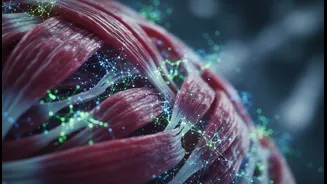
The good news is that exercise acts as a powerful countermeasure to this decline. When we engage in regular physical activity, especially resistance training, we send a direct signal to our muscles to rejuvenate themselves. Studies show that exercise can suppress transcription factors like DEAF1, a gene that becomes more active with age and promotes muscle deterioration. By turning down DEAF1, exercise restores the muscle's ability to perform quality control, clearing out damaged proteins and allowing for proper repair and regeneration. Furthermore, exercise boosts mitochondrial biogenesis—the creation of new mitochondria—and enhances the function of existing ones. This molecular reset helps your muscles maintain their capacity for energy production, keeping them healthier and more resilient against the effects of time.
The Undeniable Power of Consistency
A single workout can be beneficial, but the true magic happens with consistency. Regular exercise creates lasting changes in how your muscle cells behave. Studies show that people who are physically active throughout their lives have superior levels of metabolic health compared to inactive individuals. Consistent training essentially reprograms muscle cells to maintain healthier ageing patterns. This isn't just about building strength; it's about improving muscle quality. Regular physical activity enhances your muscles' ability to respond to insulin, which is crucial for managing blood sugar and reducing the risk of metabolic diseases like type 2 diabetes. By making exercise a habitual part of your life, you are continuously telling your body to prioritise repair, energy efficiency, and strength, effectively slowing down the secondary ageing process.
The Main Caveat: Exercise Alone Is Not Enough
Here is the crucial caveat: to truly unlock the anti-ageing benefits of exercise, you must pair it with proper nutrition, particularly adequate protein intake. As we age, our bodies can experience 'anabolic resistance,' meaning we become less efficient at using the protein we eat to build muscle. Resistance exercise dramatically increases the muscle's sensitivity to protein for at least 24 hours afterwards, creating a powerful window of opportunity for growth and repair. However, if the building blocks aren't available, the stimulus from exercise can be wasted. Older adults may need to consume more protein than their younger counterparts—some experts recommend 1.0 to 1.2 grams of protein per kilogram of body weight daily for healthy seniors. Combining resistance training with sufficient protein is considered the best strategy to prevent and even reverse age-related muscle loss.