




Seeing Past the Wide-Angle Lens
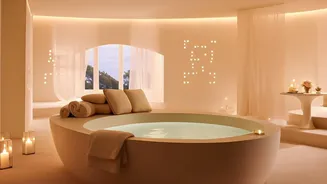
The first thing to understand about hotel photography is that it's marketing. Its job is to sell. The most common tool used is a wide-angle lens, which can make a compact room appear palatially spacious. This lens distorts perspective, making walls seem
further apart. If the furniture, like a bedside table or chair at the edge of the photo, looks stretched or curved, you can assume the room is smaller than it appears. Some hotels are now using 360-degree photos, which can give a more honest sense of space, but the most reliable tool is often your own skepticism and a close look at the details.
The Window and Light Inspection
Windows are more than just an architectural feature; they determine the entire mood of a room. Photos taken with bright, natural light are a good sign, as sunlight makes spaces feel more welcoming, clean, and can even improve your well-being during a stay. Be wary of photos where the window is a block of pure white light. This photography trick, known as a 'blown-out' window, is often used to hide an undesirable view, such as a brick wall, a noisy street, or an air-conditioning unit just outside. A hotel that’s proud of its view will show it clearly. If they don't, assume there isn't one worth seeing. Also, check for the presence of large, floor-to-ceiling windows, as these are often a sign of a more modern and thoughtfully designed room.
The Critical Bathroom Audit
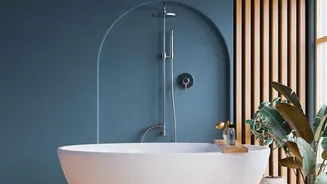
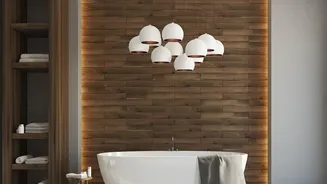
A hotel bathroom can make or break a stay. Professional photos will try to make any bathroom look its best, but there are clues to look for. Notice what they don't show. If there are only close-up shots of a neatly folded towel or a fancy soap dispenser but no wide shot of the entire bathroom, it might be extremely small or outdated. Photographers are often advised to avoid getting the toilet in the frame, but a complete absence of bathroom pictures is a major red flag. Look for signs of modernity, like contemporary tilework, sleek fixtures, and good lighting. An old, colored bathroom suite or worn-out grout can indicate a property that hasn't been updated in a while.
Scrutinizing the Smaller Details
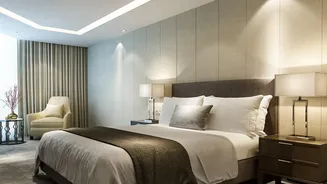
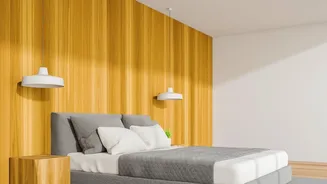
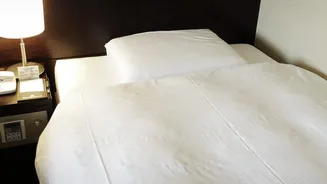
The devil is in the details. Look closely at the bedding; crisp, all-white linens are often a sign of a hotel that prioritizes cleanliness and has modern standards. Colorful, patterned comforters can sometimes suggest an older, less updated property. Scan the room for signs of wear and tear that even a professional photo can't completely hide. Are there scuffs on the furniture? Are the electrical outlets old? Speaking of which, a lack of visible outlets in photos might mean a lack of them in reality. A high-quality hotel will showcase its unique features and thoughtful amenities, so look for those little touches.
The Ultimate Truth Serum: Guest Photos
The single most effective way to see what you're really booking is to ignore the hotel's professional gallery and seek out photos from actual travelers. Websites like TripAdvisor and Google Maps allow users to upload their own pictures. These un-staged, unlit, and unedited phone snaps are your best source of truth. They will show you the real size of the room, the actual view from the window, and the true state of the bathroom. If you see multiple guest photos showing a cramped space or a dated interior, believe them over the polished, professional shots. Reading recent reviews from the last 90 days also provides context that photos can't, such as noise levels or service quality.